
Foresight and memory are two of the core components of flood resilience. If we do not learn from the mistakes and errors of past disasters, we will repeat them.
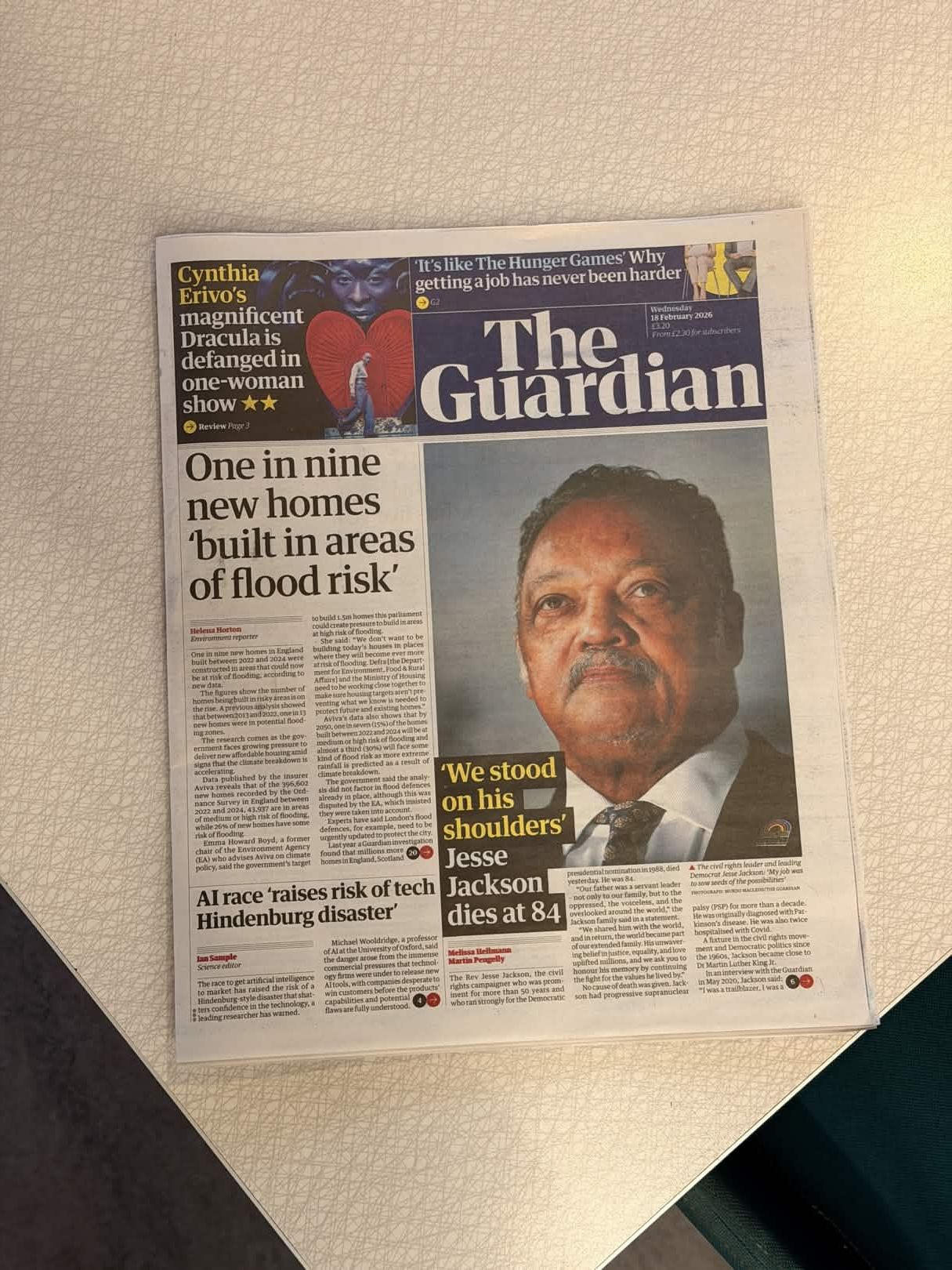
Overall, 26 per cent of houses face some level of flood risk, a sharp increase from one in 13 in the previous decade.
Flood-Re doesn’t cover most new builds, but instead encourages homeowners to build back better, but it doesn’t address the underlying issue. Homes built on or after 1st January 2009 are excluded from coverage to prevent incentivising the construction of new homes in high-flood-risk areas, yet this has not worked.
It has rained every day in 2026. How do we avoid a hosepipe ban in 6 months and store water more efficiently for droughts?
The article discusses a £10.5bn investment programme for flood defences, yet the types of flood defences aren’t specified.
Grey, hard-engineered defences are like building buckets whilst knowing the rain will continue. We think it is time for the government to invest heavily in green / non-defensive options.The answer is not higher walls. It is lower peaks.
We developed the LifE project to allow space for water. The non-defensive nature-first approach allows for sufficient mitigation to reduce the peak flows at the source, restoring floodplains and wetlands. Designing neighbourhoods that store, slow, and reuse water seasonally rather than forcing it downstream.
As part of the LifE project, we chose three case studies and how the systems could be applied at different catchment areas. Despite a slightly increased upfront and construction cost, the benefits are more than just economical. These defences protect communities and families from the mental, physical, and economical consequences from flash flooding, allowing them to continue life as normal following a flood event with minimal disruption.
W-Roads, as discussed in a previous post, can be used in tandem with LifE developments, used as an alternative to store and slow the flowing of water. Much of our society is built for multifunctionality, and we believe that changes to the Highway Act with assistance from the government and local municipalities would allow for the closures of roads to store water during a flooding event, whilst the workforce temporally works from home. This would make extensive space for water and direct flood risk away from towns and cities.
Between 2022 and 2024, one in nine homes is in medium to high flood risk zones.
Read More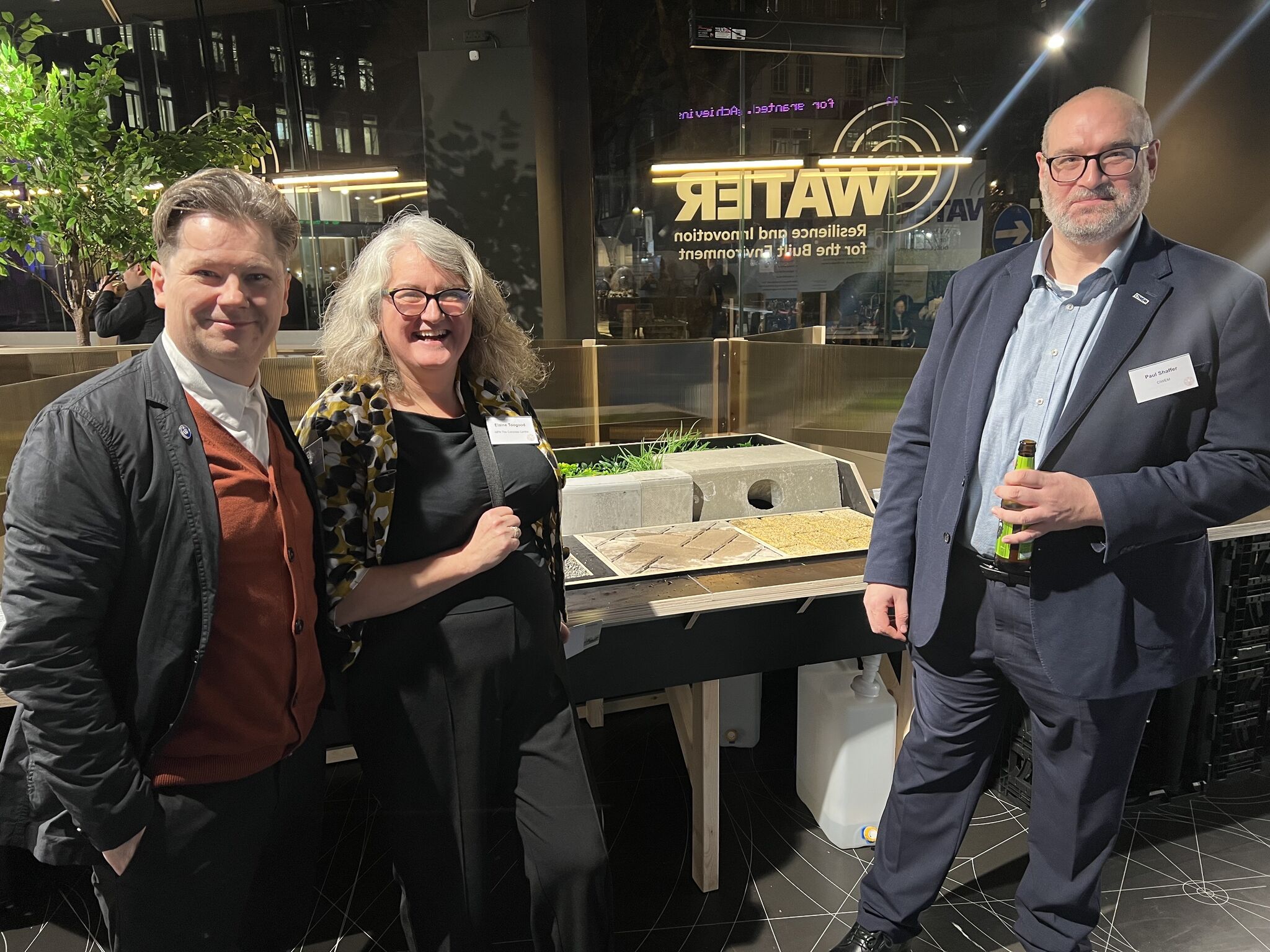
Their core messages align closely with the messages we advocate year by year at BACA. Water is essential in design; climate change intensifies, and we need to revisit and reimagine how we conserve and manage water in our environment.
Moving towards methods and practices of water circularity is one step towards this goal. Rather than treating water as something that enters and leaves as waste,circular systems will recycle this water and keep it in use for as long as possible. This closed-loop approach will help both enhance resilience and ensure resource security for neighbourhoods.
It was brilliant to meet up with industry titans and good friends Lucy Bullivant PhD Hon FRIBA, Ed Barsley, Paul Shaffer, Elaine Toogood & Farne Conway
The industry is calling for a big step change and demonstration schemes.
On that note, I hope to be able to announce a new project in collaboration with Tapiwa Gavaza of Water Offsets for a new tech campus in India that is underpinned by water circularity shortly. The collaboration was enabled through the wonderful help of Innovate UK!
Going to WATER: Resilience & Innovation for the Built Environment was a great evening surrounded by like-minded people.
Read More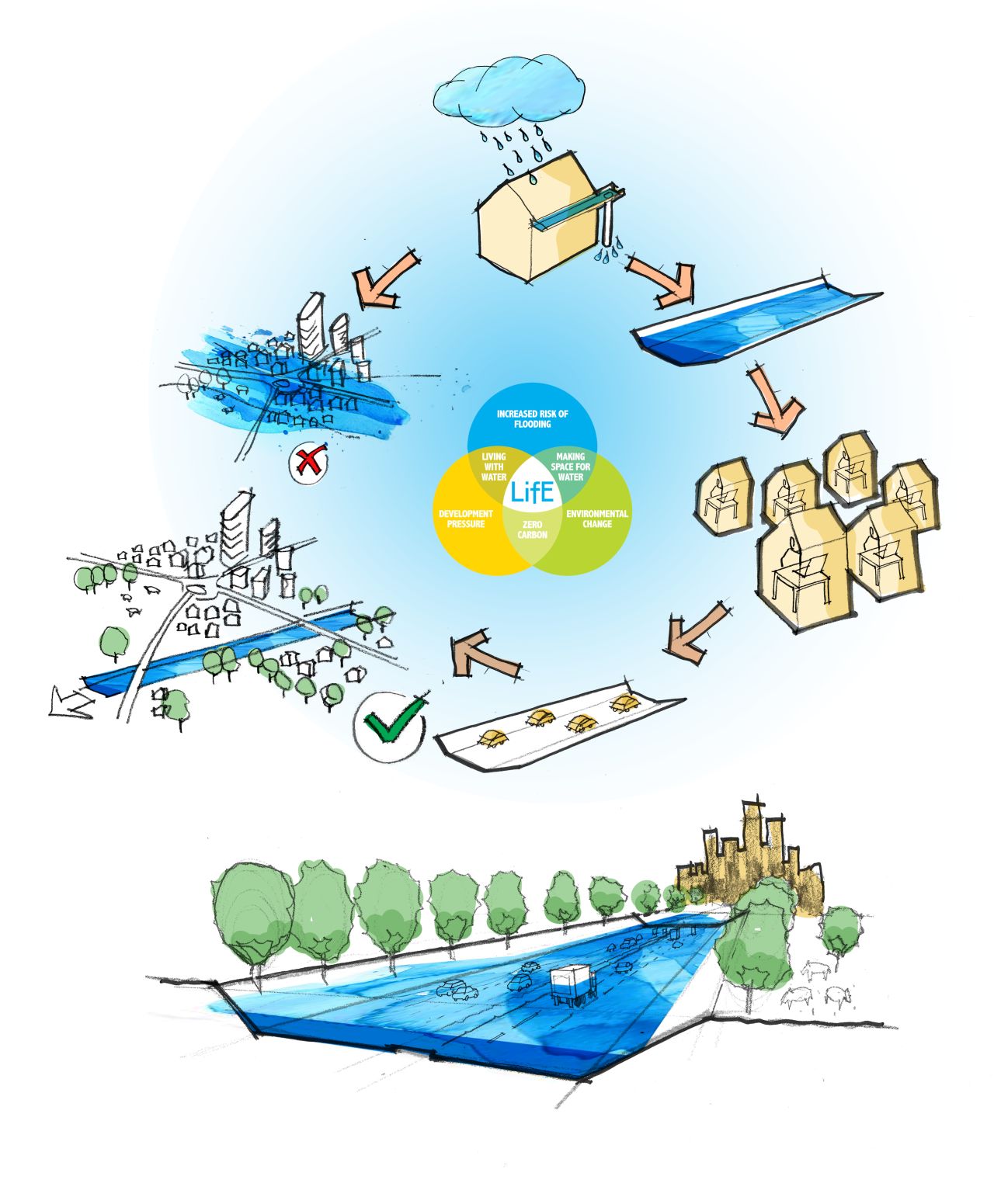
Our response is to explore the potential multi-use of existing assets.
A motorway and a rain gutter share a similar profile.
Both are long, engineered surfaces designed to move water.
The question is simple: could sections of motorway act as temporary flood infrastructure during extreme weather events?
Remote working changed what is possible.
Government signals a flood warning and ‘Work From Home’ instruction. Cars remain at home too!
Once closed, a motorway could operate as an oversized drainage channel.
Floodwater would be directed into defined sections, retained and redistributed.
Following this event, the road would be cleaned and reopened.
The technical challenge is not the barrier.
Policy is.
The current Highways Act demand many roads stay open, regardless of circumstance.
Identifying a network of potential roads and revisiting this policy would open a new flood asset.
One proposal is a new classification: the ‘W Road’.
A road designed to be used in two circumstances.
Serving as both a transportation route and a flood asset.
This will require coordination between the government, highway authorities, and local councils.
It would also require data.
Sensors, monitoring, and clear communication systems to manage closures and warnings.
W Roads aligns with the emergence of smart cities, with foundations serving multiple uses to boost efficiency and sustainability.
Several routes already suggest themselves as pilots.
The M5 in the Southwest and the A2 corridor between Gravesend and Strood.
Both routes have a history of flooding.
Nearby infrastructure allows for efficient traffic diversion.
The M5 runs through areas in the Southwest that are prone to surface water flooding.
The stretch between Junctions 13-15 features raised verges (between Itchington and Rudgeway).
There is a strong network of A-roads, including the A38 and A370.
Which offer practical east-west routes during scheduled closures.
Stretches of the A2, near Bexley and Darenth Country Park, also show potential.
Running along embankments opposite marshland and low-density housing.
Making it a strong contender for stormwater retention or redirection into natural basins.
Like the stretch of M5, there is a strong diversion network with the M2 andA226/A289.
By treating roads as spatial systems rather than single-purpose assets, flood management becomes more resilient, adaptable, and integrated.
The W Road reframes highways as part of the water system, rather than separate from it.
Flooding in the UK has become increasingly frequent and more severe. Urban infrastructure is under strain, and existing approaches are reaching their limits.
Read More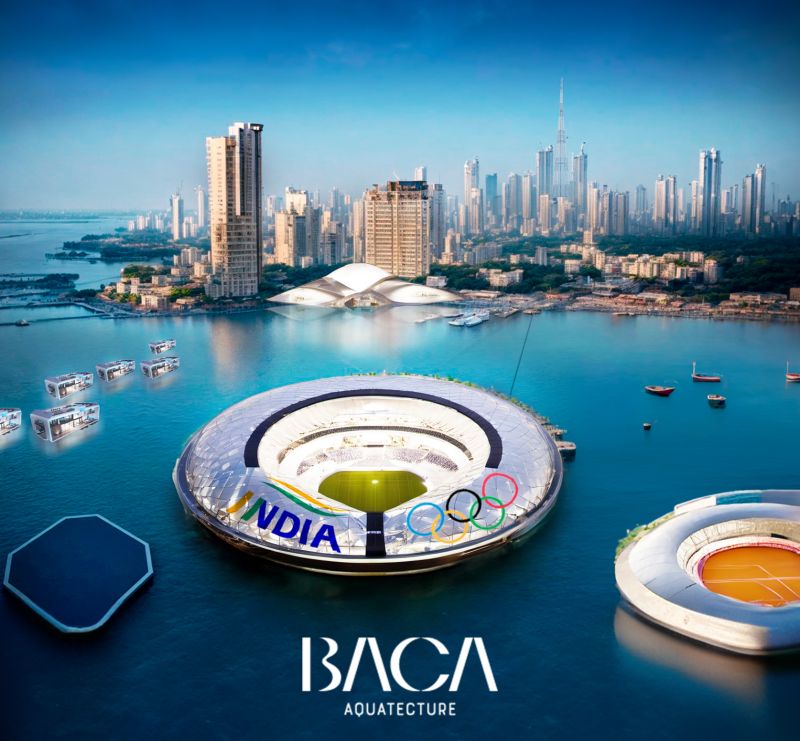
Not just for architecture, but for communities, landscapes, and economies.
The future of coastal and riverside development will not be defined by how well we can defend land.
It will be defined by how well we can live with water.
As climate pressures increase, water will reshape patterns of investment,tourism and urban growth.
Sites that once felt unreliable will become part of the solution:
- Communities will adapt rather than retreat.
- Hospitality destinations will incorporate water as an integral part of the experience, creating a stay that feels grounded within the natural environment.
- Municipalities will use floating solutions to maintain essential services during unpredictable events, reframing their relationship with edges and waterfronts.
- Developers will use adaptable foundations to secure long-term returns and reduce the cost of climate-related disruptions and damages.
The future will reward places that remain flexible.
Floating architecture offers that flexibility without sacrificing stability.
A response to reality, rather than a trend.
Absorbing change rather than resisting it.
Turning climate uncertainty into something manageable.
Building places that endure, creating value without compromising resilience.
Ultimately shaping a future where water is not a threat, but essential to architecture.
This logic extends beyond cities and coastlines, to the staging of mega-events.
Mega-events built on land have become financially unviable.
Costs escalate, returns diminish, and host cities are stuck with stranded assets.
Stadiums remain empty, residences undersell, and public investment is locked into infrastructure with no clear future.
What was meant to be a catalyst for growth becomes a liability.
8 host cities out of the last 10 Olympic Games were directly on a major coastline or major river.
Floating venues offer a different but realistic model.
Modular, transportable, and reusable, they shift events from ownership to deployment.
Assets can move between host nations, adapt to different contexts, and avoid permanent disruption to communities and landscapes.
The investment circulates rather than remaining static.
Reducing cost.
Reducing displacement.
Reducing environmental damage.
Replacing one-off spectacle with a repeatable system.
A way to host global events without leaving scars on cities and communities.
A future where even the largest gatherings learn to live lightly with water.
Designing at the water’s edge requires a forward-thinking mindset.
Read More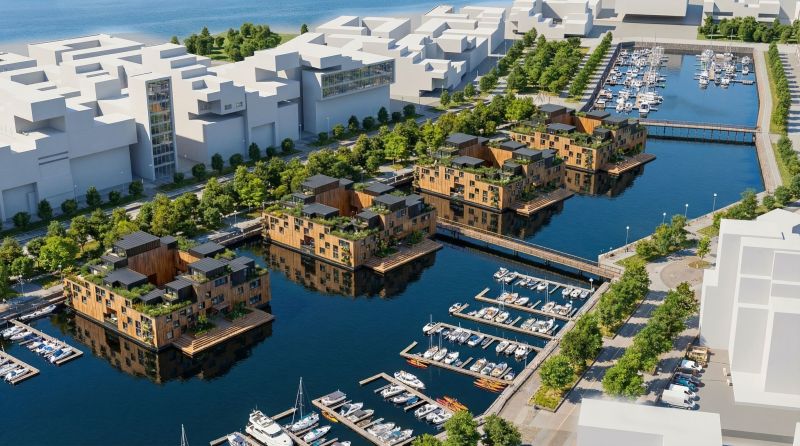
Circularity at the water’s edge redefines how we build,operate and renew the places closest to climate volatility.
It creates ecosystems where materials circulate and buildings adapt through time rather than resist change.
Floating architecture can become a cornerstone within this circular system.
When buildings sit on water, the assumptions around permanence begin to shift.
A floating structure is not fixed to the ground.
It is assembled, maintained and upgraded through modular,low-impact systems.
Platforms can be extended.
Utilities can be reconfigured.
Structures can be retrofitted, re-purposed or relocated as needs evolve.
It is a design framework with measurable impact, not an abstract concept.
This single shift lengthens the lifespan of a building and reduces the waste locked into conventional construction.
Aligning asset value with adaptability, not decay.
A circular waterfront economy is not simply a sustainability ambition.
It is an operational model for future-ready places.
As water levels change and climate regulations tighten, the communities that thrive will be those that treat water as a collaborator.
Not a threat.
Not an obstacle.
A design partner in an economy built to last.
Waterfronts can be linear. Or they can be circular.
Read More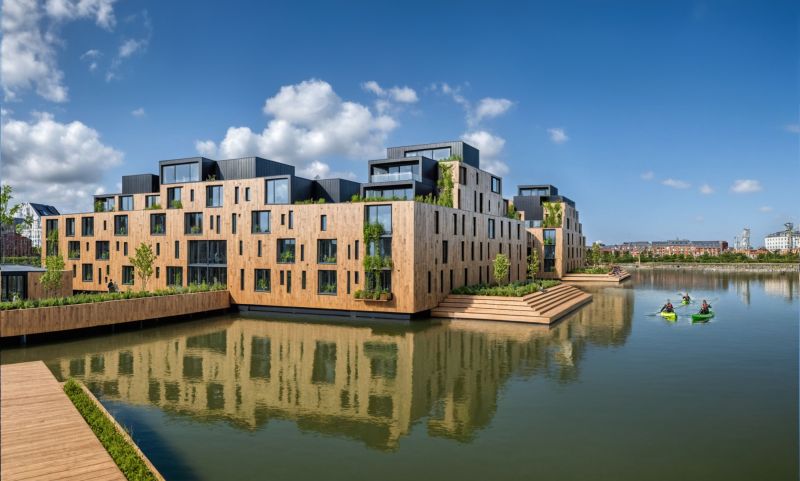
It is no longer experimental, nor speculative, but the next step in how we shape places that are future-proofed.
Flooding worsens in intensity and frequency each year.
Land availability grows smaller.
Now, let us shift the perspective to building with floating assets.
Flood risk is no longer an issue.
Land limitations? Way less restrictive.
Floating architecture can shift the perspective on critical issues, as the shoreline can become an edge that responds to the climate, instead of resisting.
Different groups read this value in different ways:
Hospitality operators see a new kind of waterfront stay/experience that offers unmatched views and attracts repeat guests.
Residents see stability, comfort, and a place where daily life stays uninterrupted.
Developers see a secure investment and long-term returns.
The value is not only financial.
But environmental.
Cultural.
Experimental.
Floating architecture is not about battling the landscape.
It is about working with it.
Treating water as a partner in the design process, not a constraint.
Opening new space for housing, hospitality, and communities.
Finally, creating a place that remain secure, useful, and uplifting, long into the future.
Floating architecture used to feel like an idea for another time. Now it is one of the most practical ways to adapt in harmony with rising waters.
Read More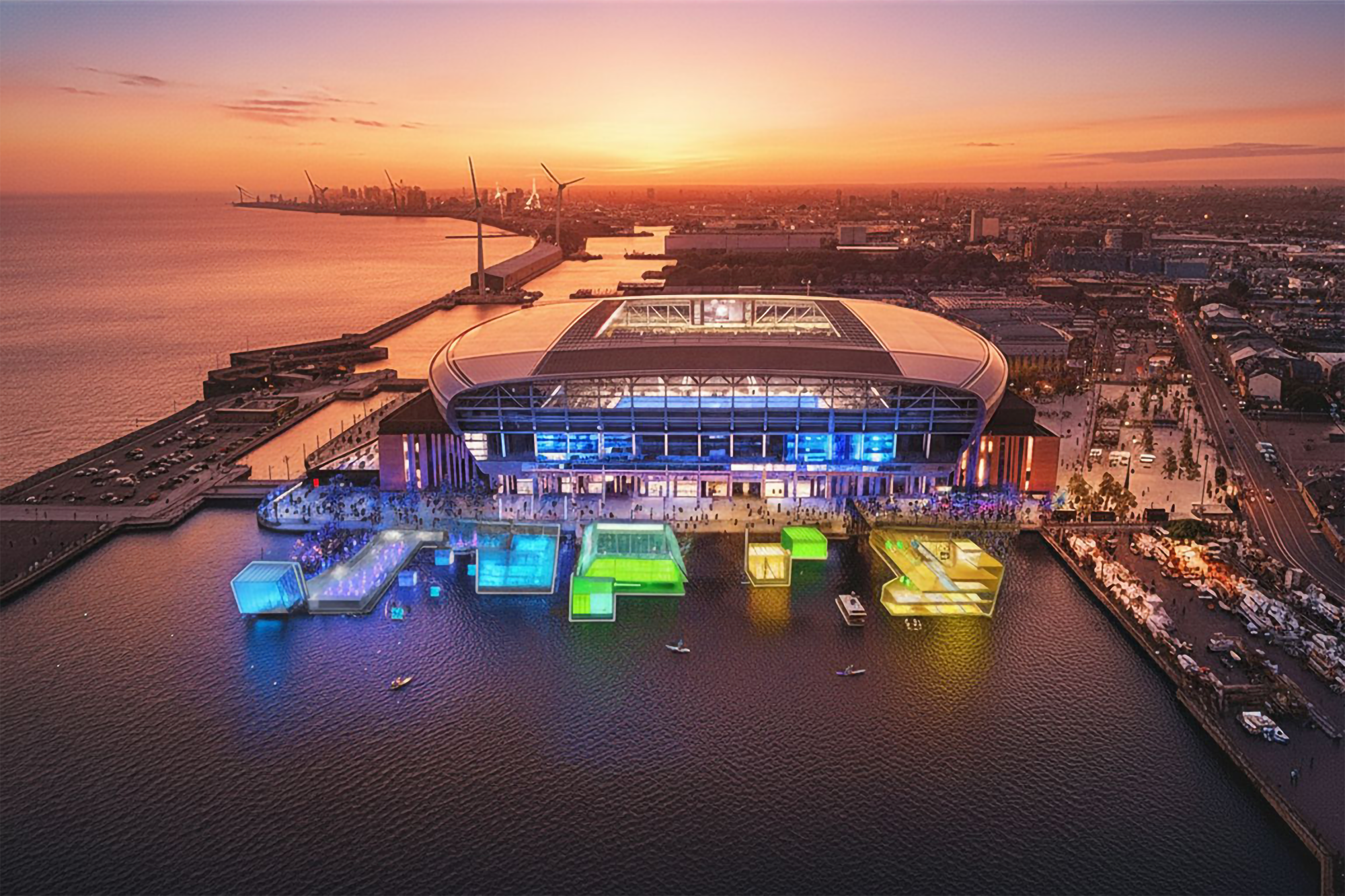
As seen on the Liverpool Echo, Football Ground Guide ... twice, Everton News, and TheToffees.
Everton FC has always been more than a football club. It is a cornerstone of a community shaped by Liverpool’s maritime legacy. From dockworkers and sailors to shipping families, the city’s nautical history has long been part of the Everton story. Now, with the club’s new stadium at Bramley Moore Dock, surrounded by water and echoing the grandeur of Liverpool’s great ocean liners, fans can celebrate their team in a truly spectacular setting.
Our vision is to explore how waterfront leisure spaces can reinforce the connection between the stadium, the city, and the maritime identity that has defined Liverpool for generations. The Floating Fanzone is a concept that demonstrates how underused water bodies can become active,inclusive destinations that bring people together and support the long-term regeneration of the northern docks.
Introducing the Floating Fanzone. Making use of Bramley Moore Dock, the concept proposes a flotilla of floating event spaces, all-weather enclosures, and immersive venues offering live sports screenings and a rich mix of pre and post-match entertainment. There is something for everyone. Spacious outdoor areas with giant screens create dramatic matchday gathering points. Dedicated family zones offer safe and engaging activities, while indoor lounges provide comfortable places to meet and celebrate.
Visitors can take part in floating bowling competitions,indoor sports challenges, or simply relax in tap rooms and bistros offering both gourmet and traditional pub fare. With a range of dining experiences, interactive games, and fan-focused activities, the Floating Fanzone is designed to offer an unforgettable experience for Evertonians of all ages.
The concept is arranged around a series of modular floating platforms occupying the central water space of the dock. Each platform is designed to provide shelter, clear views, and generous circulation, allowing visitors to move freely through a sequence of connected experiences. The flexible layout supports a variety of event types and can be adapted seasonally or for specific fixtures.
Routes across and around the platforms strengthen the approach to the stadium, creating a dramatic water-based arrival sequence that celebrates the scale of Bramley Moore Dock. The design supports crowd safety while encouraging exploration of the waterfront.
Floating structures offer an adaptable and low-impact way to activate existing water areas. By reducing the need for new land-based construction, the concept supports efficient use of resources while preserving the dock’s historic character. Modular elements can be reused, relocated, or reconfigured as required, making the proposal both economical and resilient. This reflects our wider work in sustainable waterfront design and the need to plan for long-term environmental change.
The Floating Fanzone creates an opportunity to widen public access to Bramley Moore Dock and bring new life to one of Liverpool’s most distinctive waterfront locations. By activating the water both on matchdays and throughout the year, the concept supports local businesses, strengthens tourism, and contributes to the continued revitalisation of the northern docks.
Outside football fixtures, the platforms could host food festivals, community events, open-air cinema, or seasonal attractions. Their flexibility allows them to support a year-round programme that benefits residents as much as match-going supporters.
With the recent news of the stadium hosting eight EURO 2028 matches and the Super League Magic Weekend returning to Everton’s stadium, the Floating Fanzone presents a chance to heighten the already electric atmosphere on an international stage. It shows how Liverpool can continue to innovate at the water’s edge while celebrating the maritime character that defines the city.
"At Bramley Moore Dock, we’re taking fan experiences to the next level, literally. We call it ‘Aquatecture’: a flotilla of floating spaces that make the most of the dock’s water. These floating spaces aren’t just cool - they’re clever. They can be built off-site, installed quickly, and be up and running in no time. Maybe in the water in less than a year! Solid, durable, and flexible, they can be updated, repurposed, or moved as needed; making sure the fun doesn’t stop and leaving a legacy for the club and the city.
Even temporary floating spaces can kick start the excitement, drawing fans, investment, and attention while laying the foundation for long-term transformation. In short: the Floating Fanzone is more than just a place to watch football, it’s a game-changing way to experience Everton, the dock, and Liverpool’s waterfront like never before”.
We believe this is the beginning of a broader conversation about how Liverpool can shape the future of its waterfront in creative and sustainable ways. We look forward to exploring these opportunities with local partners, stakeholders, and the community.
Introducing the Floating Fanzone. Making use of Bramley Moore Dock, the concept proposes a flotilla of floating event spaces, all-weather enclosures, and immersive venues offering live sports screenings and a rich mix of pre and post-match entertainment.
Read More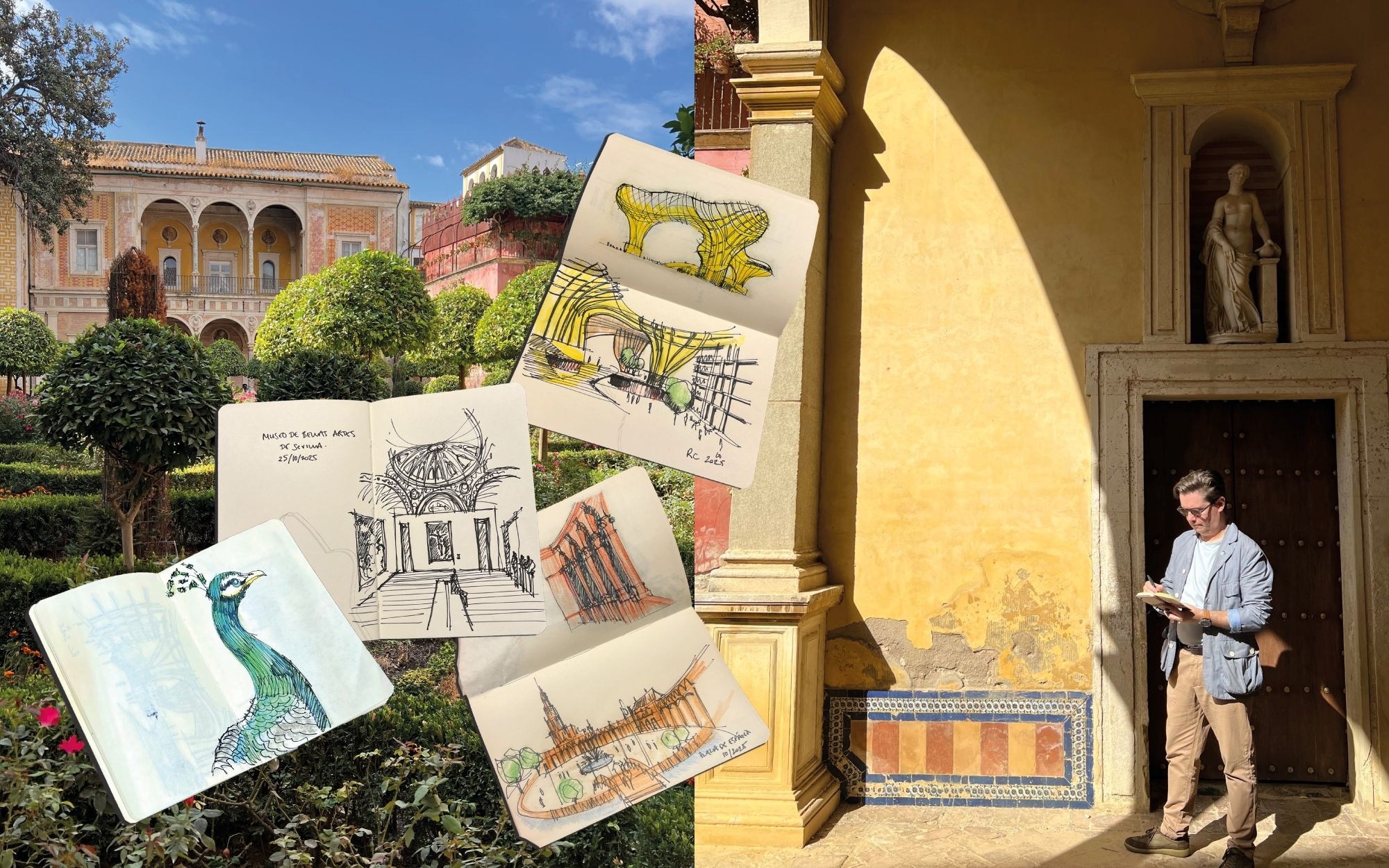
"After I visited the Alvaro Siza archive and the Museo de Bellas Artes, I was determined to carve out more moments on my travels to sketch.
Whilst in Seville, I found myself doing exactly that. Between wandering through the Plaza de Espana and enjoying delicious food in small neighbourhood restaurants, I pulled out my sketchbook to capture the city’s iconic spaces (and its feathered friends).
One of the most spectacular was the sweeping curves of the Setas de Sevilla (Metropol Parasol). A predominantly steel structure in the old quarter of Seville, designed by Jurgen Mayer, it integrates the remains of a Roman colony into the foundations. Families wandered, and I even saw some children using one of the archways in the foundation as a goal post!
Taking time to sketch makes you realise that drawing changes the way you interact with a city. You become still and start to notice the smaller decisions behind larger gestures, like how shade is cast and how routes are defined.
These small observations often stay with me long after the sketch has been finished. Becoming reminders that architecture is not only about shaping a place but also shaping how the community will live within it."
- Richard Coutts
Whilst enjoying time away in Seville, Richard reflects on his field sketches and the small lessons they have taught him.
Read More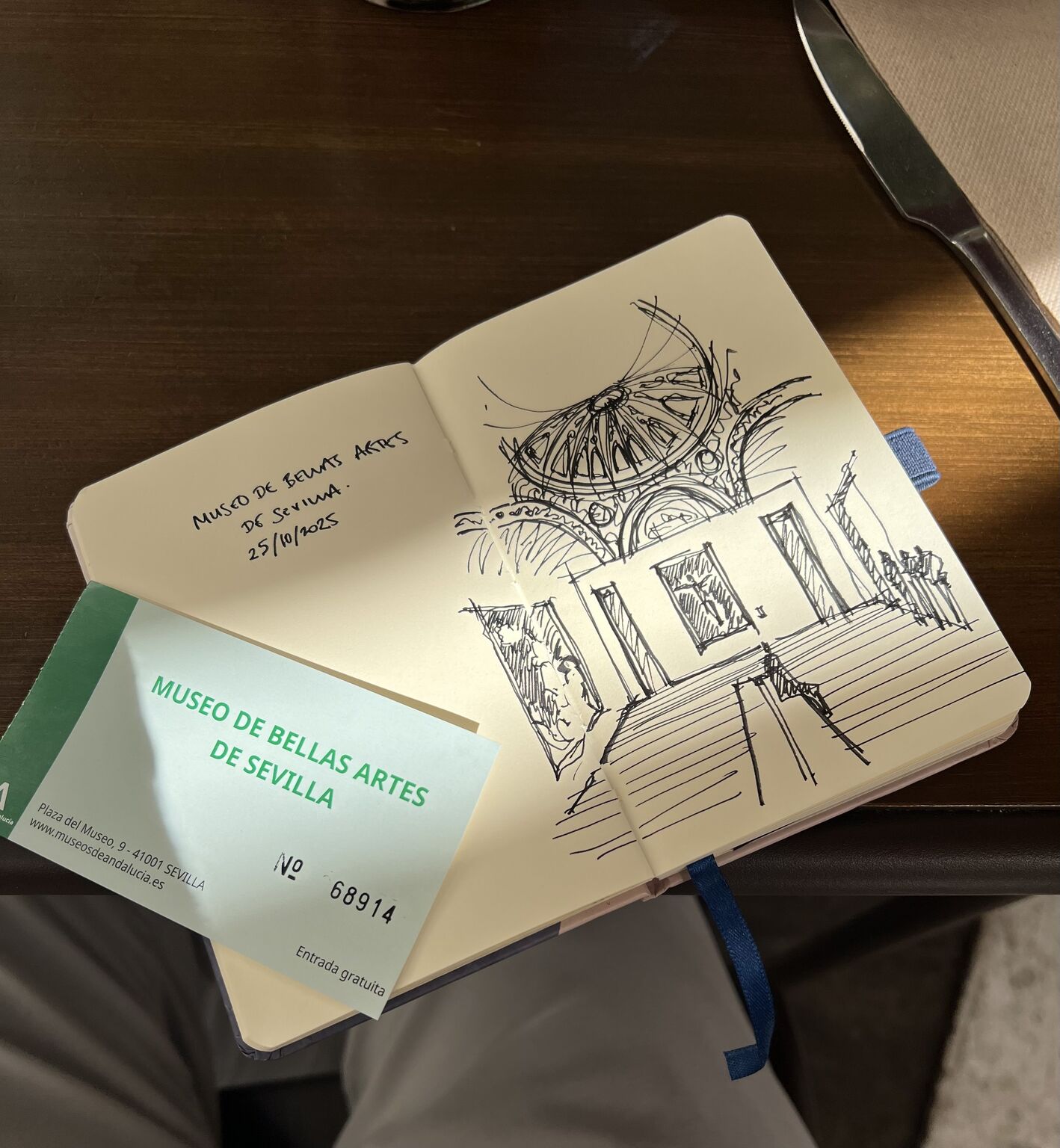
"Following my visit to the Álvaro Siza archive exhibition in Madrid, I was inspired to undertake a few field sketches of my own on recent travels.
During my recent visit to Seville, I visited the Museo de Bella Artes. Known as the most important fine art museum in Seville and Andalusia, with one website saying it is the 2nd most important museum in Spain.
Surrounded by Spanish masterpieces from the Golden Age of Sevillian painting, I picked up the sketchbook and started to capture the top floor of the museum (architects never truly rest!).
Sketching is a way of slowing down and really seeing the space: how light interacts with it, the shifting in scales from room to room, and seeing how visitors interact and use the space. A quick sketch can capture a sense of place that photographs can miss.
Sometimes inspiration doesn’t always come to us at the drawing table; it can be found in the quiet corner or the intricate detailing found on the walls and ceilings of a museum. Each moment feeds into our own creative process in subtle but lasting ways."
Following my visit to the Álvaro Siza archive exhibition in Madrid, I was inspired to undertake a few field sketches of my own on recent travels.
Read More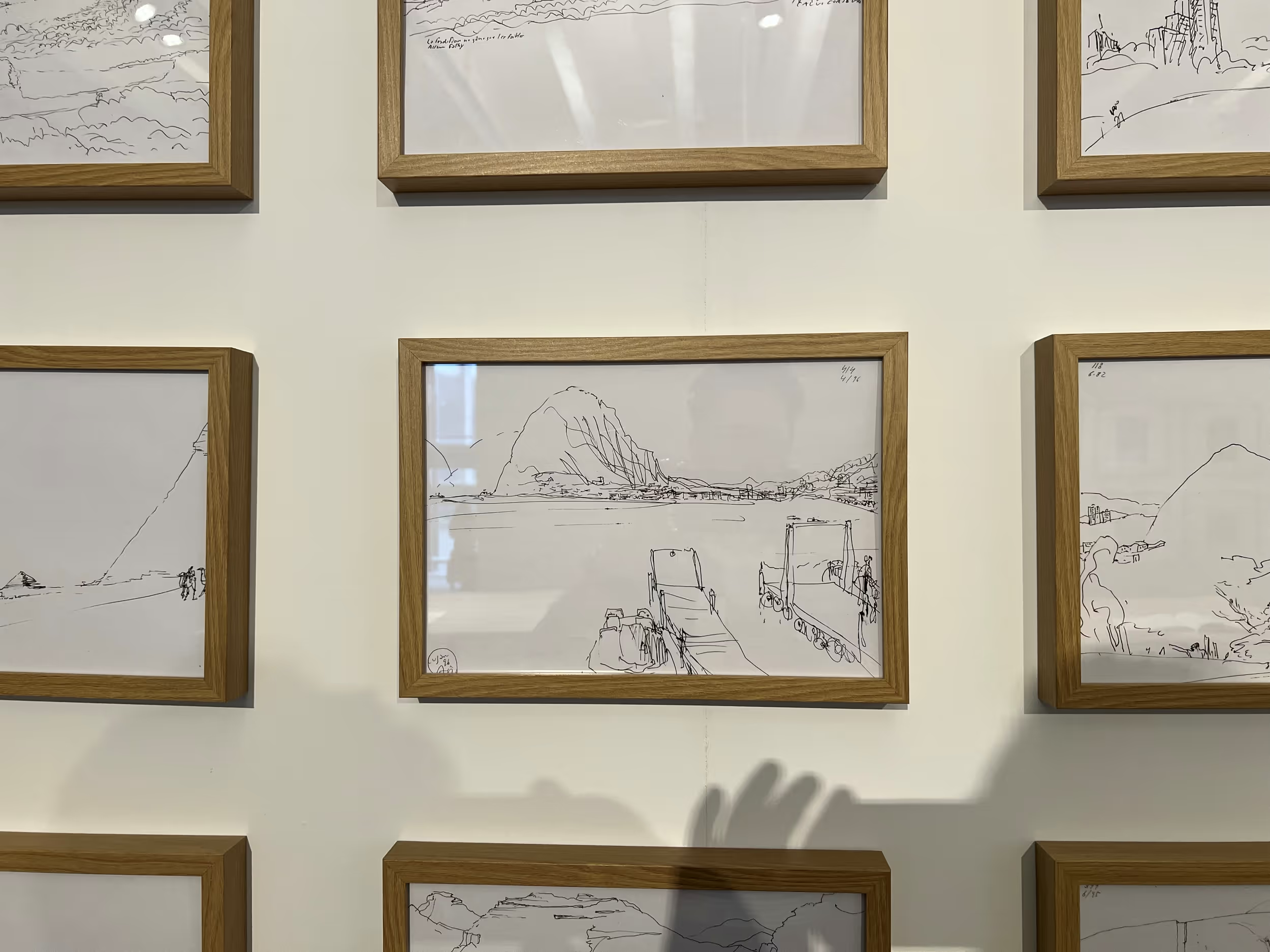
Whilst on a short break to Madrid to catch up with university friends, Richard visited the School of Architecture to check out the Álvaro Siza archive that was on show. The exhibition occupies the ground and lower ground floors of the school, acting also as a shop window to the hipster area of Chueca. It’s a spectacular location for students and captures the footfall of passing tourists and local artisans.
The exhibition focuses on an essential part of Alvaro Siza’s archive, the exploration of his many sketchbooks, providing the opportunity to view them in alternating perspectives. Despite many projects never seeing the light of day or being altered over time, their original forms are recovered within this space.
Spanning ninety works, the patterns that are repeated, transformed, and interact with each other over the years are identified: light, water, spaces of convergence and anticipation, and curvature, revealing the way Siza sustains his way of thinking and practising architecture.
He witnessed several students, and local architects, replicating Siza's sketches. In an era where AI can generate multiple images in seconds, Richard recounted it felt incredibly refreshing to see slow architecture and what he likes to call HI (Human Intelligence) in practice: people taking their time to convey complex ideas and features through the medium of sketching.
Richard could’ve spent hours in the exhibition, but his friends and family reminded him that dinner was waiting.
Whilst on a short break to Madrid to catch up with university friends, Richard visited the School of Architecture to see the Álvaro Siza archive that was on show.
Read More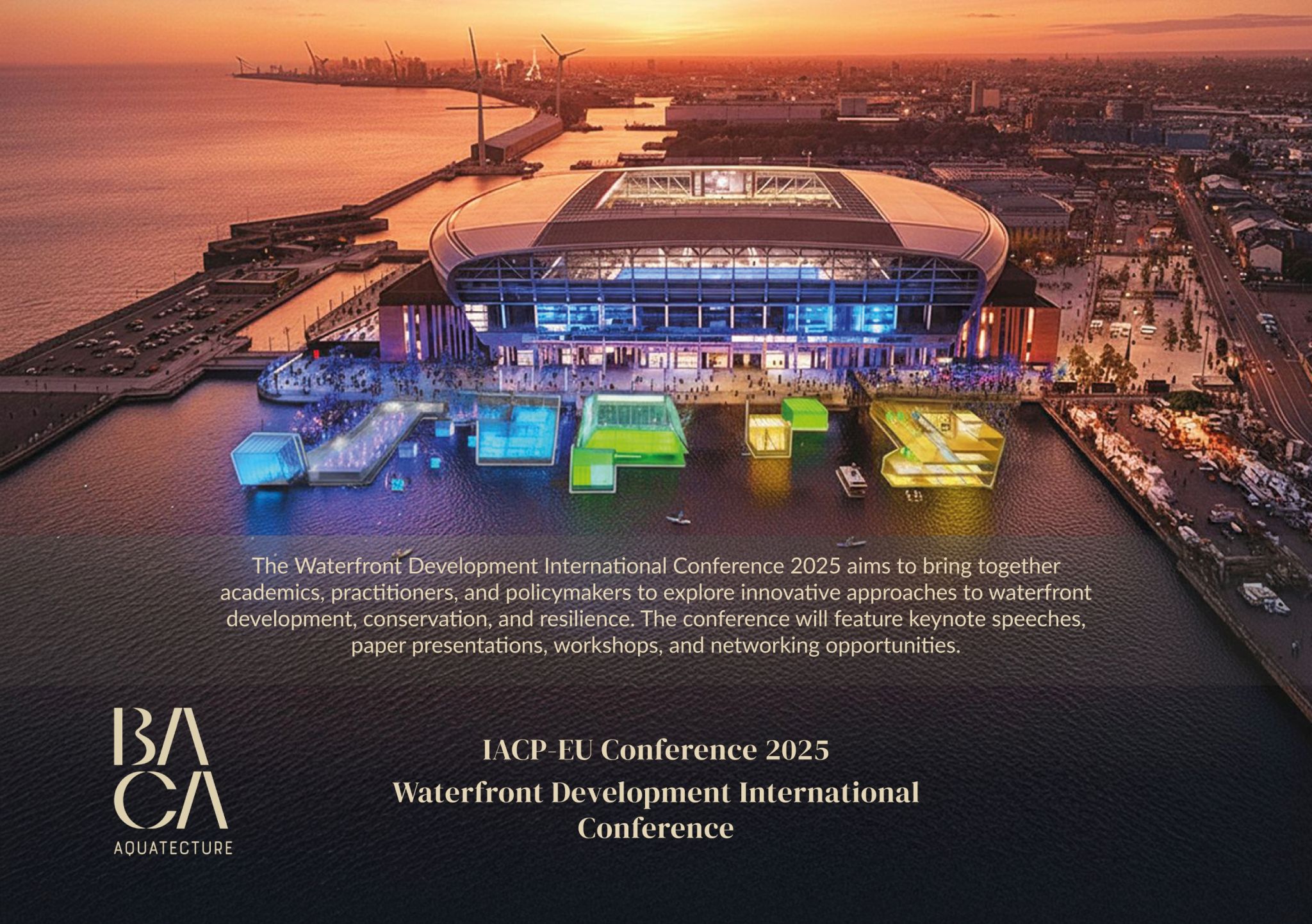
Richard will be speaking at the Liverpool Waterfront Development Conference.
The title of his talk will be Waterfronts as Urban Accelerators: Crafting Clear, Achievable Visions for Post-Industrial Docks.
BACA architects shows opportunities for new floating corporate entertainment and a floating fanzone at Everton's Hill Dickinson Stadium with the attached picture.
We will also showcase the new floating Lido proposed for Queens Dock that has recently received pre-application planning support, subject to details from Liverpool City Council & Canal and Rivers Trust.
Abstract:
This paper examines the potential of post-industrial waterfronts in driving urban regeneration, stressing the need for clear, actionable planning visions beyond iconic architecture and heritage reuse. As cities around the world grapple with challenges of urbanisation, climate change, and housing shortages, disused docks, harbours, and waterfronts present unique opportunities to reimagine urban living in dynamic, water-integrated environments.
The research analyses various waterfront typologies: riverfronts, harbours, docks, canals, each with distinct spatial and historic identities. Through international case studies, including HafenCity in Hamburg, Chelsea Piers in New York, and the Royal Docks and Merwehaven in London and Rotterdam, it explores how successful regeneration is linked to multifunctional design, physical and sensory engagement with water, and resilient infrastructure.
Special focus is given to Rotterdam’s goal of delivering 70,000 new homes by 2040, illustrating pioneering floating development, climate adaptation, and innovative public-private ecosystems. These projects challenge conventional planning by prioritising water activation over land infill. Key findings suggest that effective waterfront regeneration depends on five interlinked components: active public realm, adaptable water uses, resilient flood strategies, functional mixed-use development, and strong engagement with water. Floating infrastructure, cultural anchors, and integrated ecological design (like bio-solar roofs) emerge as essential for combining urban density with environmental sustainability. Ultimately, this thesis argues that water should be treated not as a boundary but as a catalyst for inclusive, resilient, and vibrant urban futures – both on land and on water.
The title of his talk will be 'Waterfronts as Urban Accelerators: Crafting Clear, Achievable Visions for Post-Industrial Docks.'
Read More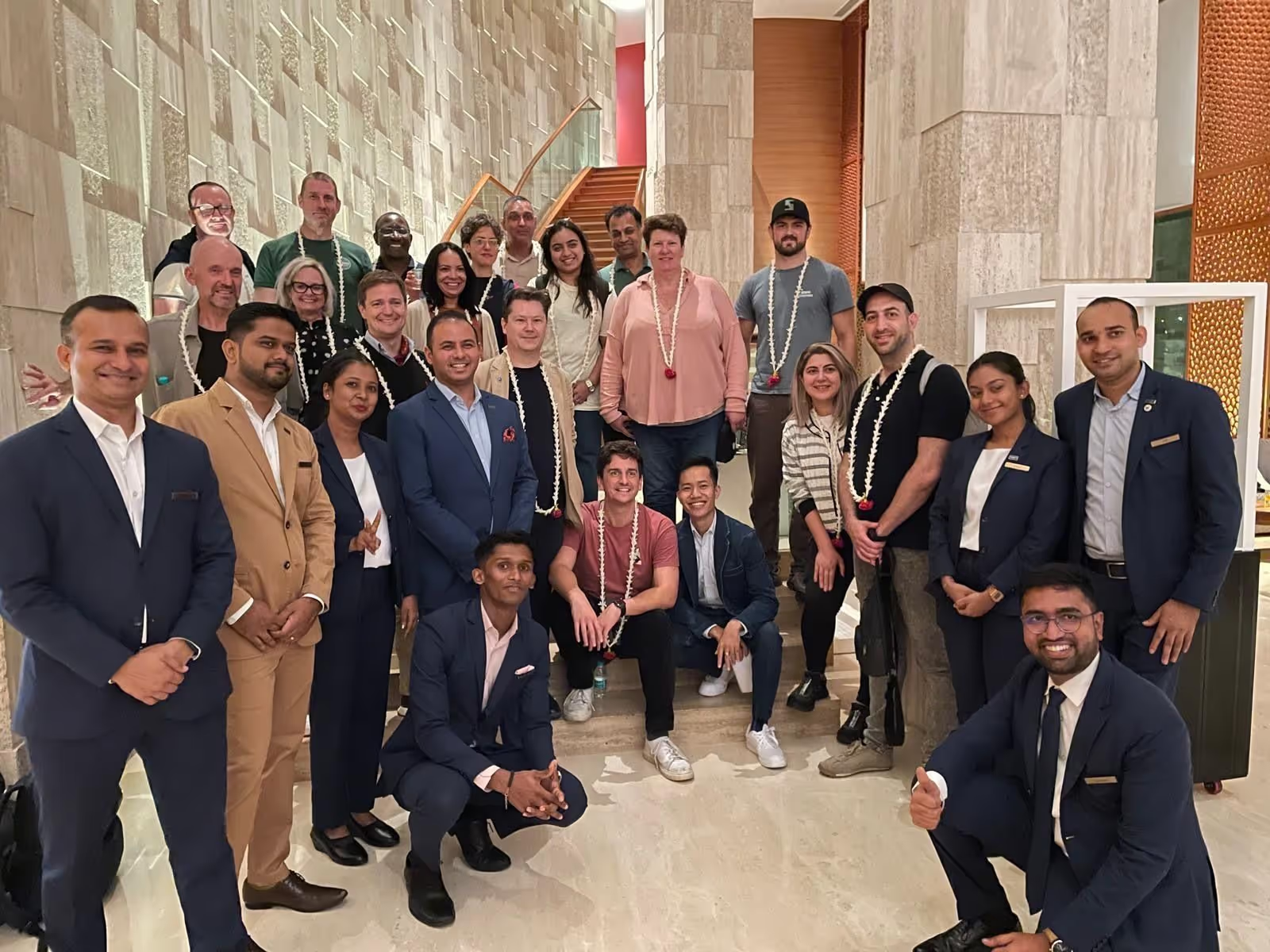
Richard Coutts recently participated in Innovate UK’s Global Business Innovation Programme in India to examine how flood-resilient design can support the future of Chennai and Coimbatore. The visit highlighted the opportunities that climate-vulnerable cities hold for advancing climate-resilient architecture.
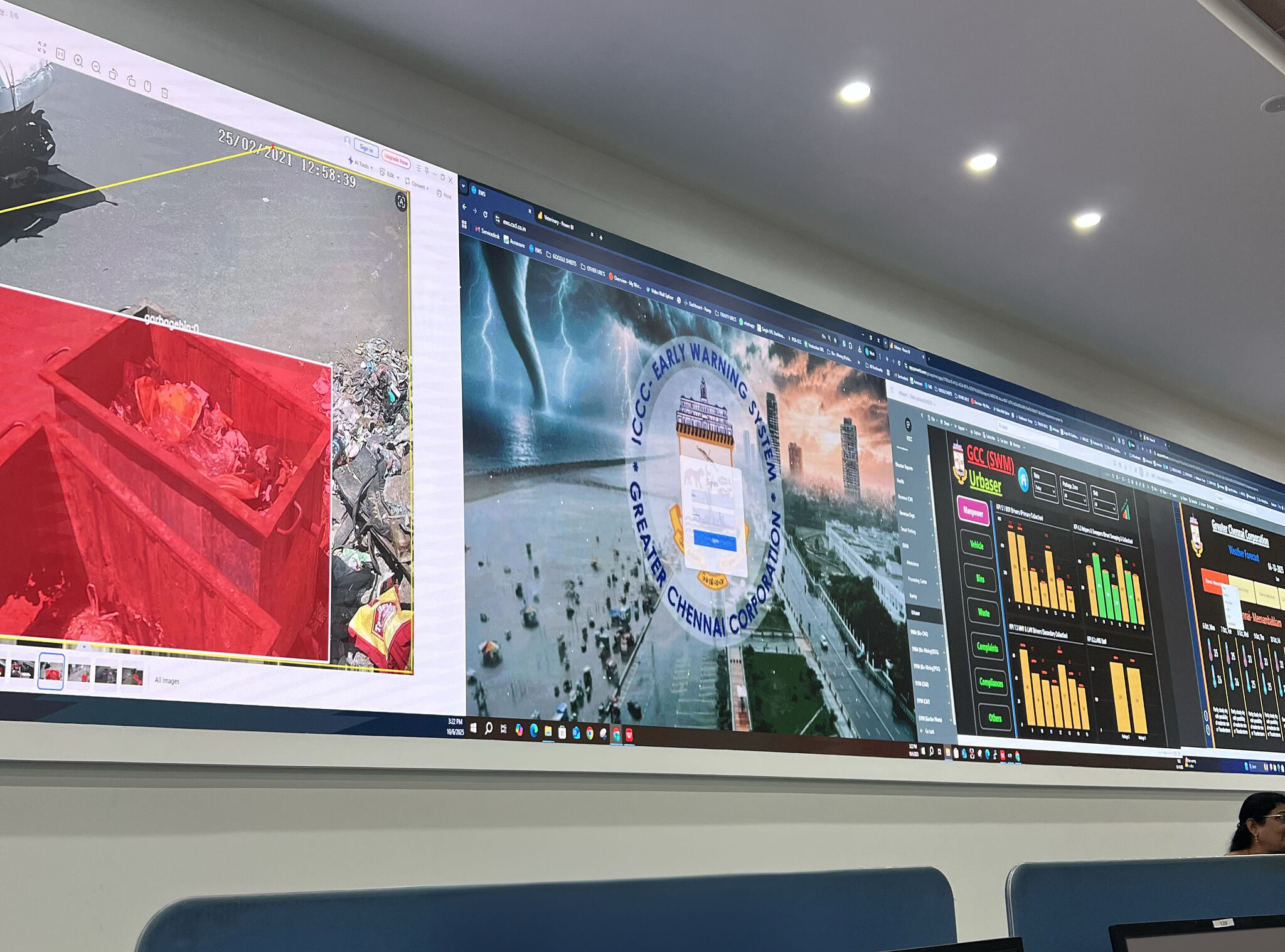
During the programme, the delegation met with leading organisations, including the British Deputy High Commission in Chennai and the Chennai Resilience Centre. These discussions focused on how governance, innovation, and sustainable urban development in India are shaping the country’s rapidly evolving metropolitan regions. Visits to the Greater Chennai Corporation’s Integrated Command and Control Centre and the IIT Madras Research Park further demonstrated how technology is transforming city systems.
A notable highlight of the trip was meeting ‘rain studio of design’ and experiencing their breakthrough 3D-printed guest house at IIT Madras. The project showcases how sustainable construction technology can merge with visionary architectural approaches, offering new pathways for resilient building in flood-risk environments.
The delegation concluded in Coimbatore at the StartupTN Global Startup Summit, an event that brought together innovators, entrepreneurs, and policymakers committed to advancing smart city innovation in India. The summit underscored the country’s ambition to accelerate clean-tech adoption and future-ready urban design.
India’s rapidly urbanising landscape faces mounting climate pressures, particularly from flooding, a key threat to achieving the vision of Viksit Bharat 2047. Through these engagements, we found strong alignment between their long-standing expertise in flood-resilient design and the pressing needs of India’s cities.
On LinkedIn, Richard emphasised that the experience reinforced BACA’s mission to design places that are not only beautiful, but resilient, regenerative, and prepared for a changing climate.
Richard Coutts recently participated in Innovate UK’s Global Business Innovation Programme in India to examine how flood-resilient design can support the future of Chennai and Coimbatore.
Read More
As part of the InnovateUK Urban Centre Contingency, we recently visited Chennai’s Command and Control Centre (CCC) in southern India. Located beside the iconic neoclassical Ripon Building, the seat of the Greater Chennai Corporation, the CCC offers a fascinating glimpse into how technology is reshaping city management.
Chennai, formerly known as Madras until 1996, is the capital and largest city of Tamil Nadu, India’s southernmost state. Though it covers a similar area to Leeds, Chennai’s population exceeds 12 million. Managing such a dense and fast-growing metropolis demands data-driven precision, and the CCC is central to that effort.
The CCC provides a nationwide view of ICT infrastructure and monitors critical government services. Its customised Network Management System (NMS) dashboard delivers live data on road traffic, waste collection, births and deaths, electricity distribution, and, of relevance to our visit, rainfall and flooding. Application Performance Management (APM) tools further ensure the reliability and performance of vital systems.
During our visit, officials demonstrated how real-time weather and flood data inform rapid municipal responses. A network of weather stations and cameras feeds live information into dashboards that cross-reference historic trends with new data. This enables dynamic management, such as accelerating waste collection in flood-prone areas, to mitigate risk during heavy rainfall.
Flooding remains one of Chennai’s greatest challenges. Experts at the Tamil Nadu Land Use 2025 conference have noted that recurring floods are not acts of nature alone, but consequences of rapid urbanisation and fragmented planning. V. Thiruppugazh, Chairman of the Advisory Committee for Mitigation of Floods, recalled that in 2019 Chennai was close to “Day Zero,” yet suffered major floods in 2015, 2021, and 2023, an indication of the city’s fragile water balance. Encouragingly, citizen groups such as Chitlapakkam Rising are helping restore water bodies and local resilience.
We also visited IIT Madras, home to India’s top engineering students, where teams are developing technologies from anaerobic digesters that treat waste more efficiently to India’s first functioning hyperloop prototype. These innovations reflect the city’s growing technical capacity and creativity.It was a privilege to experience the CCC in operation. The centre exemplifies how data, infrastructure, and human insight can combine to manage complex urban systems. Chennai’s investment in digital governance and its collaboration with institutions like IIT Madras demonstrate a city rushing toward smarter, cleaner, and more resilient urban living.
As part of the InnovateUK Urban Centre Contingency, we recently visited Chennai’s Command and Control Centre (CCC) in southern India.
Read More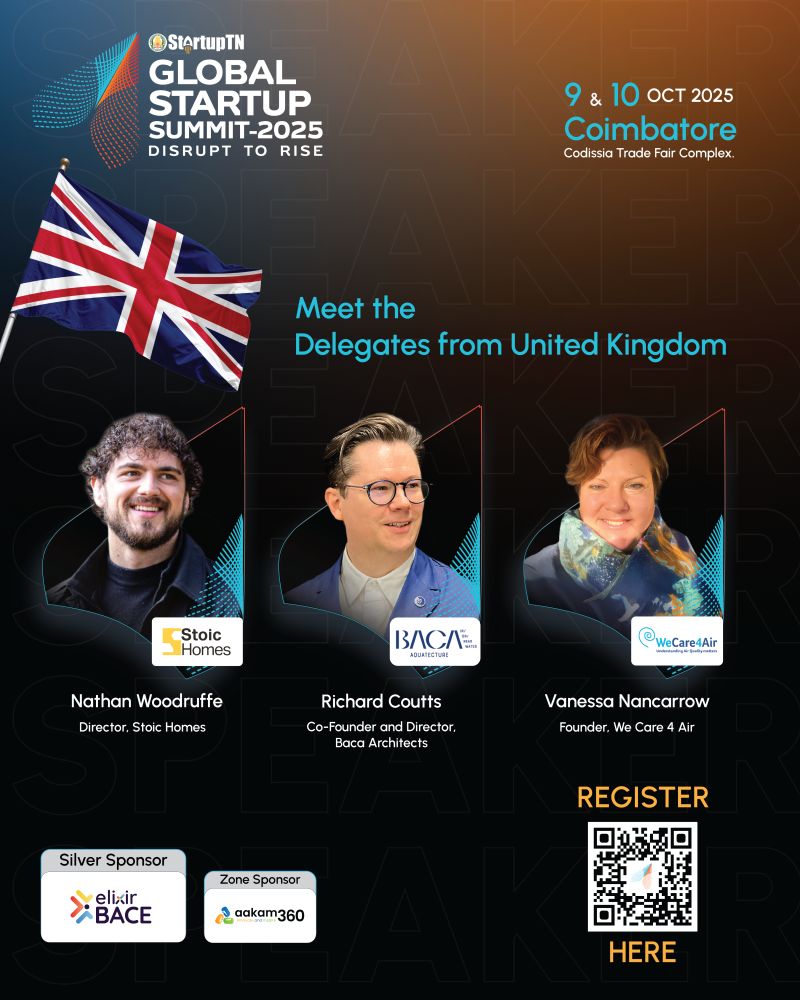
Richard has been invited to speak at the Tamil Nadu Global Startup Summit during my upcoming visit to India with the Global Business Innovation Programme (GBIP).
The Summit offers a valuable platform for connecting with a diverse range of governmental bodies, developers, consultants, and fellow architects, fostering new partnerships and collaborations. As India’s cities rapidly evolve, we am excited to share my expertise in flood resilience, climate adaptation, and sustainable design.
We look forward to meeting new partners, strengthening global connections, and exploring opportunities that emerge through this visit.
If you will be attending TNGSS2025 or are based in Chennai or Coimbatore, please do get in touch – we would be delighted to meet you.
Richard has been invited to speak at the Tamil Nadu Global Startup Summit during my upcoming visit to India with the Global Business Innovation Programme (GBIP).
Read More
We are delighted to announce that BACA architects has been selected for the Urban Systems Global Business Innovation Programme (GBIP) in India.
Richard will be travelling to India in October and meeting with many organisations in Chennai, and he will also be attending the Global Startup Summit in Tamil Nadu.
This is an incredible opportunity to build our global partnerships, explore innovative collaborations, and create new business opportunities with our new partners.
With our diverse network of connections, we know that a breadth of talent and opportunities awaits us in India. We will be in Chennai from October 6th to 8th and in Coimbatore from the 9th to 10th, attending TNGSS 2025 on both days. We would welcome the opportunity to meet with governmental organisations, developers, consultants, and other architecture firms.
This programme allows us to learn from India’s rapidly evolving urban landscape while sharing our own expertise in flood resilience and sustainable design.
Together, we can develop solutions that benefit both regions and contribute to a more resilient, connected, and sustainable future.
Do contact us should you wish to meet up - we look forward to hosting you at the British Deputy High Commission.
Richard will be travelling to India in October and meeting with many organisations in Chennai, and he will also be attending the Global Startup Summit in Tamil Nadu.
Read More
On the twentieth anniversary of Hurricane Katrina making landfall, we take a moment to reflect on the disaster’s lasting impact and the ongoing importance of disaster resilience architecture. Director Richard Coutts has revisited this moment in history through a detailed drawing that captures both the devastation and the enduring spirit of the communities affected.
The drawing, recently published by the American Press, offers a poignant visual reminder of the lives forever changed by Katrina. At its centre is a figure inspired by Robert Green Sr., who lost both his mother and granddaughter in the catastrophe. His story embodies the courage and dignity that underpin the very essence of resilient communities planning, reminding us that resilience is both human and structural.
Katrina remains a stark example of how climate extremes demand proactive climate adaptation design. The hurricane demonstrated the consequences of unpreparedness and highlighted the need for design approaches rooted in foresight, trust, and long-term commitment. While engineering plays a crucial role, true resilience requires equitable planning that serves those most at risk.
The lessons from New Orleans also resonate deeply in the UK, where climate pressures are steadily increasing. As Richard notes, the country must shift from an over-reliance on hard defences toward nature-based flood solutions that work with water and natural systems rather than against them. These approaches need to be supported by legal frameworks that extend beyond short political cycles.
Ultimately, Hurricane Katrina is a powerful reminder that living with water is not optional; it is a reality that demands sustained vigilance and investment in climate resilience strategies. As this anniversary encourages reflection and remembrance, it also reinforces the collective responsibility to protect communities facing rising climate risk.
On the twentieth anniversary of Hurricane Katrina making landfall, Richard Coutts has revisited this moment through a detailed drawing.
Read More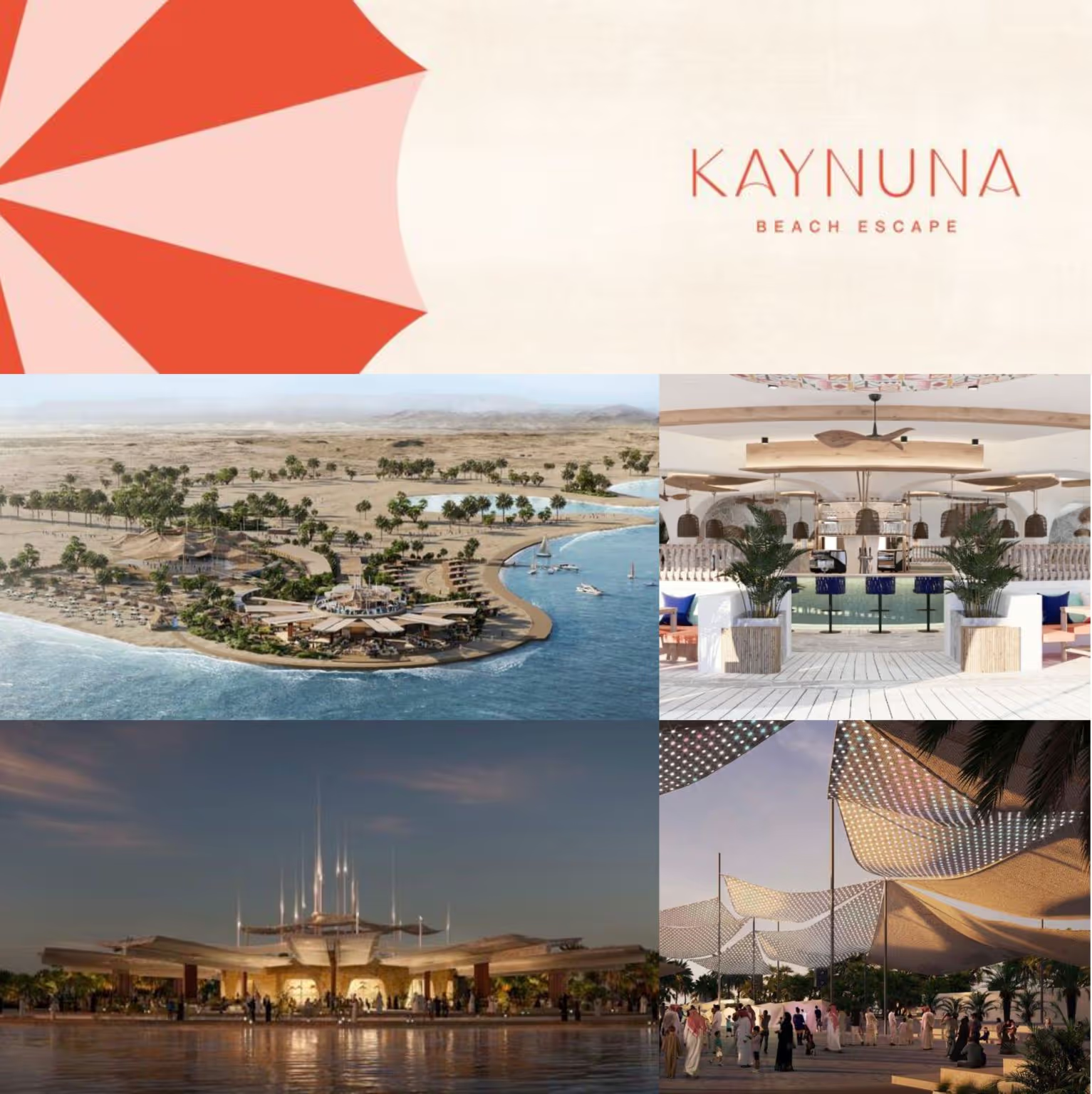
Baheej unveils Kaynuna: A Heritage-Inspired Beach Club at Yanbu Waterfront.
Kaynuna's architecture pays tribute to Yanbu’s storied past, as a key stop along the pilgrimage route to Madinah from Africa. Seamlessly blending history and modern sophistication, the site takes inspiration from the caravanserai that once stood there.
Designed for domestic tourism, this is one of a suite of four projects upcoming in Yanbu, Red Sea. This will be a cornerstone in a series of activation anchors that will help bring this coastline to life.
Guests will be able to soak in the beauty of the Yanbu sunset, either in private cabanas or by immersing themselves in the vibrant energy of the social beach areas, connections are made, and moments are shared.
A most heartfelt thank you to all at Baheej for inviting us to contribute to this fantastic destination.
Baheej unveils Kaynuna: A Heritage-Inspired Beach Club at Yanbu Waterfront.
Read More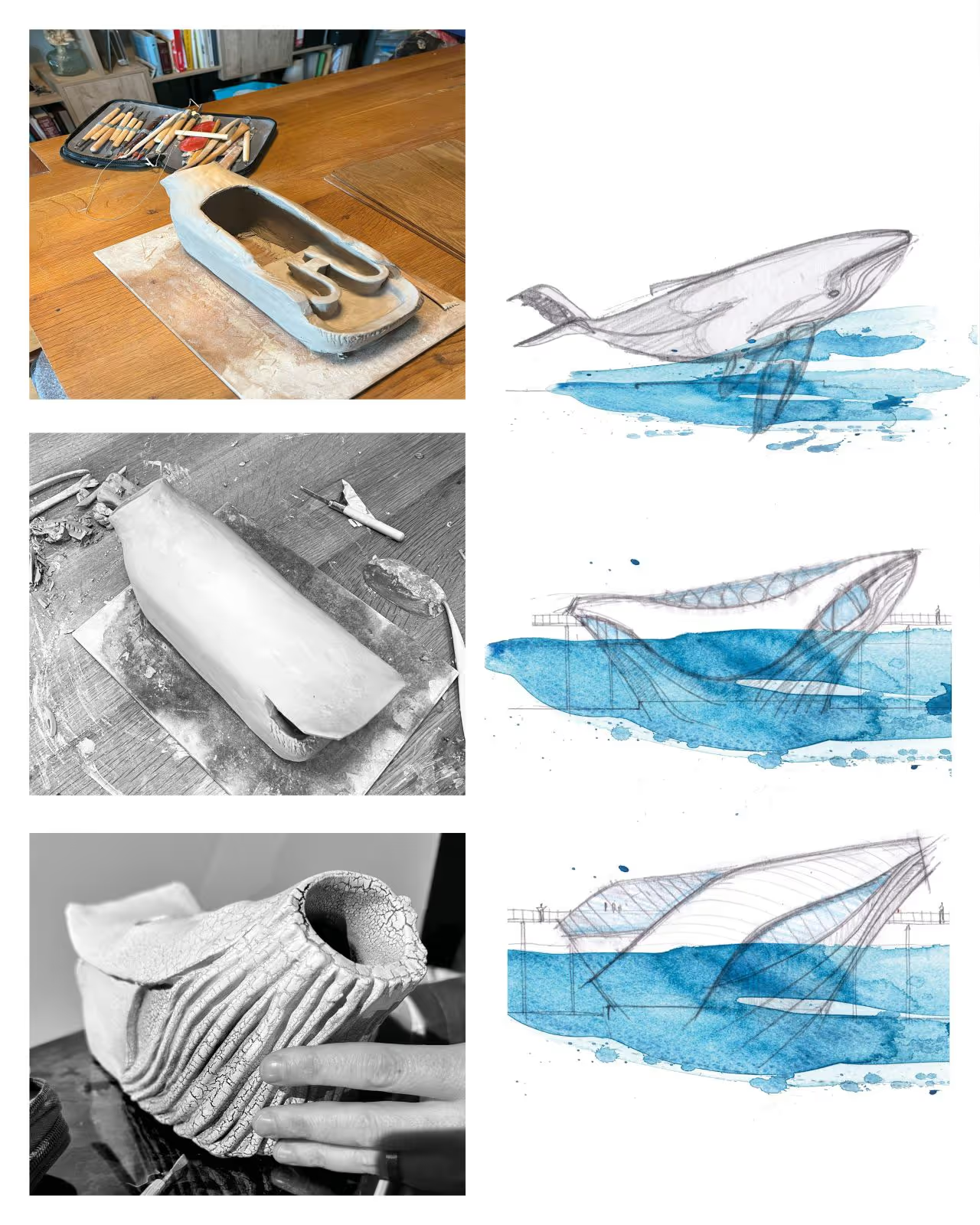
The lines between architecture and art, especially within the design phase, can become blurred. In these early moments, experimentation, intuition, and abstract thinking guide the project just as much as technical planning.
Shown is one of the early porcelain models of ‘The Cetacean’, created by Richard in his home studio, demonstrating the versatility and blending of multiple art styles to execute a concept—a view behind the curtain of the multi-skilled operation here at BACA.
The cracked glaze finish shown on the model took extensive experimentation to perfect. As with pottery comes the unpredictable nature of the final form, which reveals itself only after firing, adding an element of surprise throughout the creative process.
Sitting above the water, the Cetacean is an interpretation of a whale, raising its head over Geographe Bay in recognition of the bay's importance in the migration patterns of humpback whales. Underneath will house the world’s largest natural marine observatory.
The form of the Cetacean is inspired by a manoeuvre that whale watchers call a ‘spy hop’, where inquisitive whales raise their heads and eyes to breach the surface of the water to observe us instead. Plus, the textured feature of the Cetacean is reflective of a whale’s ventral pleats, a large section of skin beneath the mouth where barnacles typically attach.
Both the Cetacean’s architectural form and its ceramic model celebrate the beauty found within imperfections, from the barnacles on a whale’s skin to the cracks revealed in glazed porcelain.
The lines between architecture and art, especially within the design phase, can become blurred.
Read More