February 18, 2026
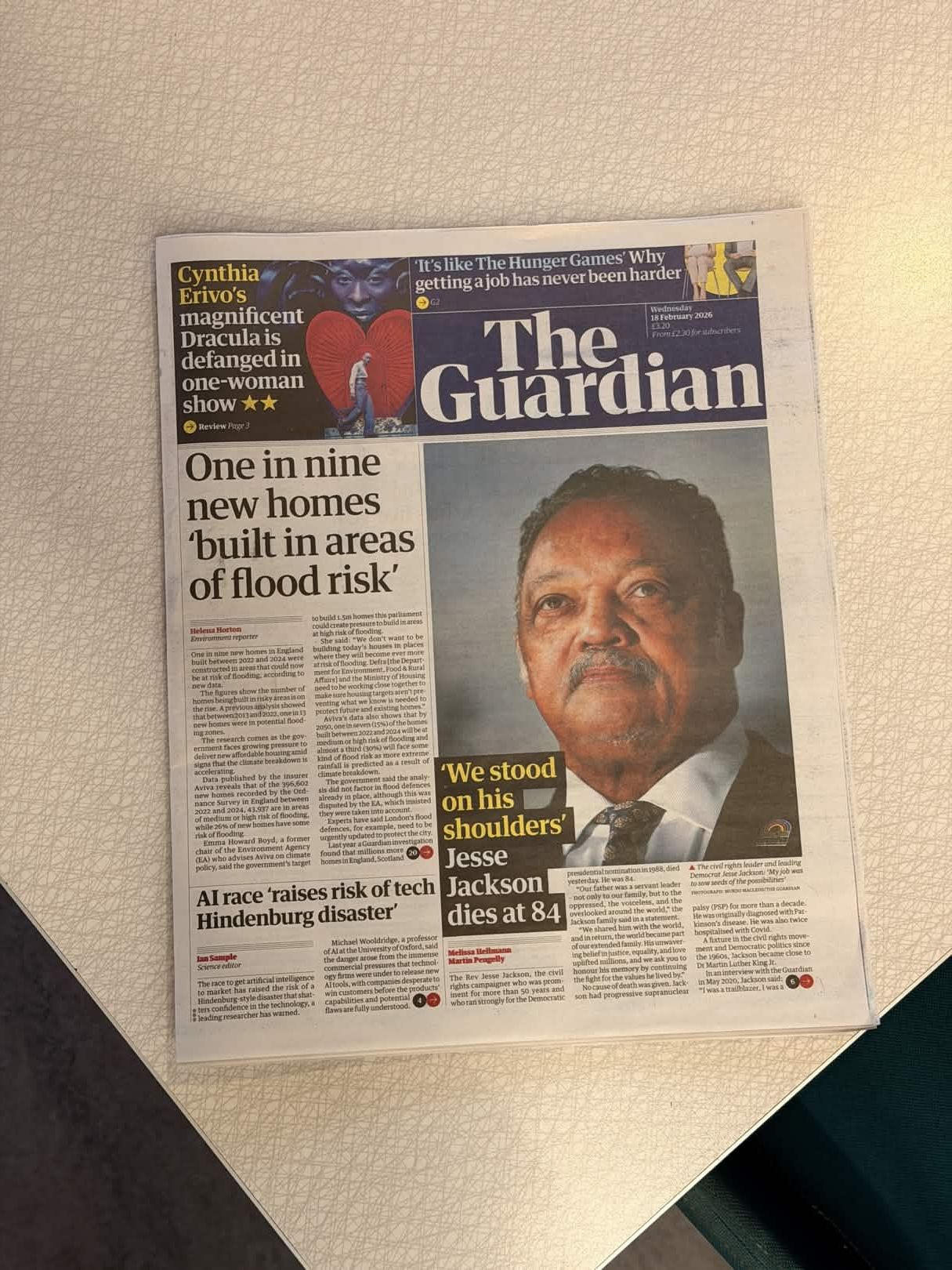
Overall, 26 per cent of houses face some level of flood risk, a sharp increase from one in 13 in the previous decade.
Flood-Re doesn’t cover most new builds, but instead encourages homeowners to build back better, but it doesn’t address the underlying issue. Homes built on or after 1st January 2009 are excluded from coverage to prevent incentivising the construction of new homes in high-flood-risk areas, yet this has not worked.
It has rained every day in 2026. How do we avoid a hosepipe ban in 6 months and store water more efficiently for droughts?
The article discusses a £10.5bn investment programme for flood defences, yet the types of flood defences aren’t specified.
Grey, hard-engineered defences are like building buckets whilst knowing the rain will continue. We think it is time for the government to invest heavily in green / non-defensive options.The answer is not higher walls. It is lower peaks.
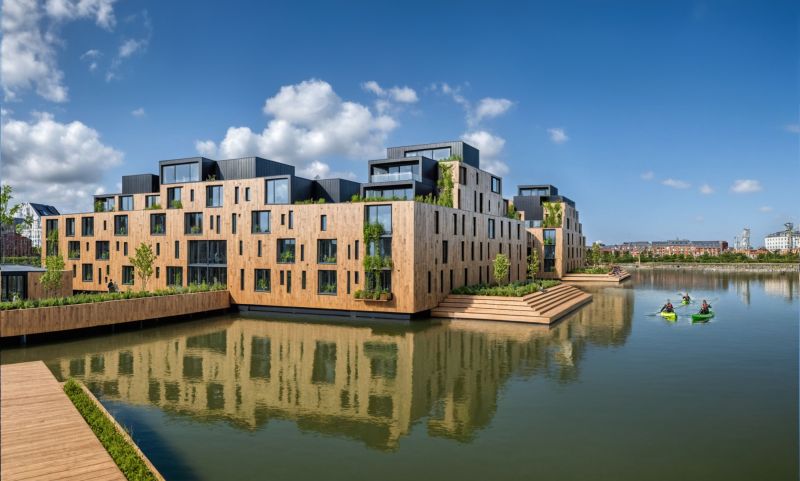
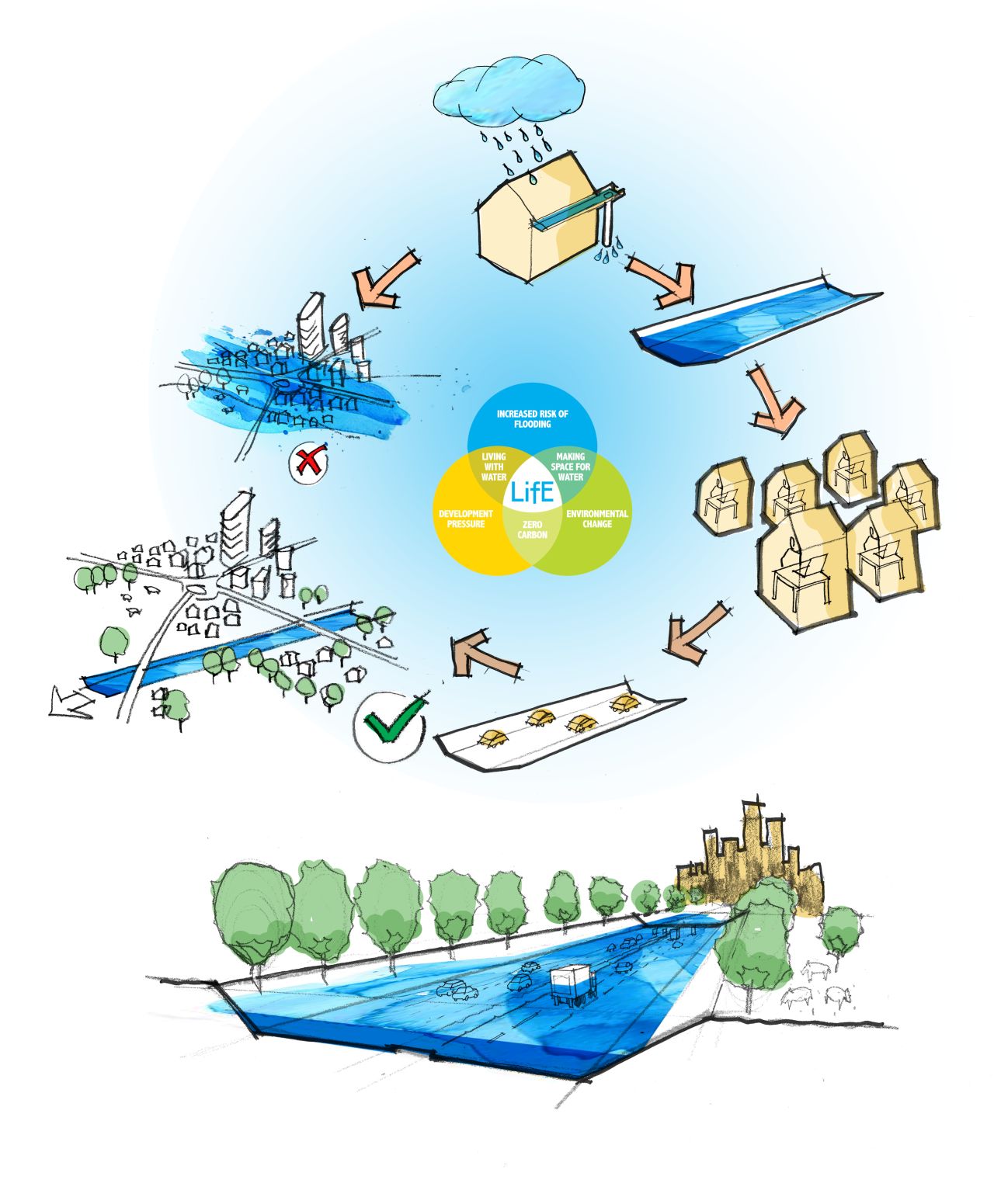
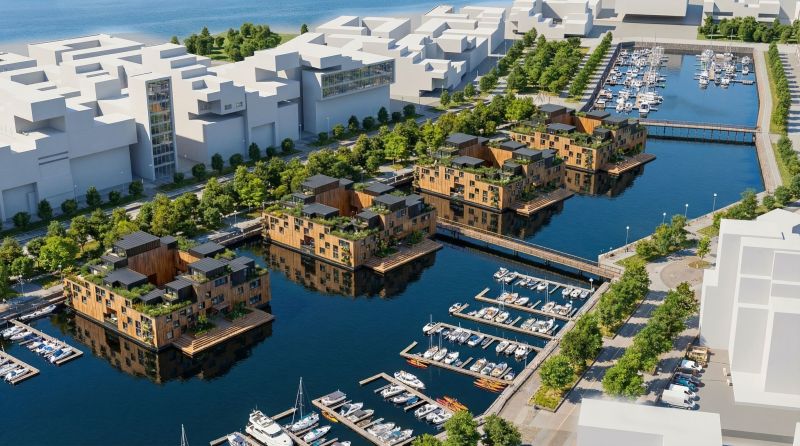
We developed the LifE project to allow space for water. The non-defensive nature-first approach allows for sufficient mitigation to reduce the peak flows at the source, restoring floodplains and wetlands. Designing neighbourhoods that store, slow, and reuse water seasonally rather than forcing it downstream.
As part of the LifE project, we chose three case studies and how the systems could be applied at different catchment areas. Despite a slightly increased upfront and construction cost, the benefits are more than just economical. These defences protect communities and families from the mental, physical, and economical consequences from flash flooding, allowing them to continue life as normal following a flood event with minimal disruption.
W-Roads, as discussed in a previous post, can be used in tandem with LifE developments, used as an alternative to store and slow the flowing of water. Much of our society is built for multifunctionality, and we believe that changes to the Highway Act with assistance from the government and local municipalities would allow for the closures of roads to store water during a flooding event, whilst the workforce temporally works from home. This would make extensive space for water and direct flood risk away from towns and cities.
March 3, 2026
February 4, 2026

January 22, 2026
January 15, 2026

December 18, 2025
December 11, 2025