December 18, 2025
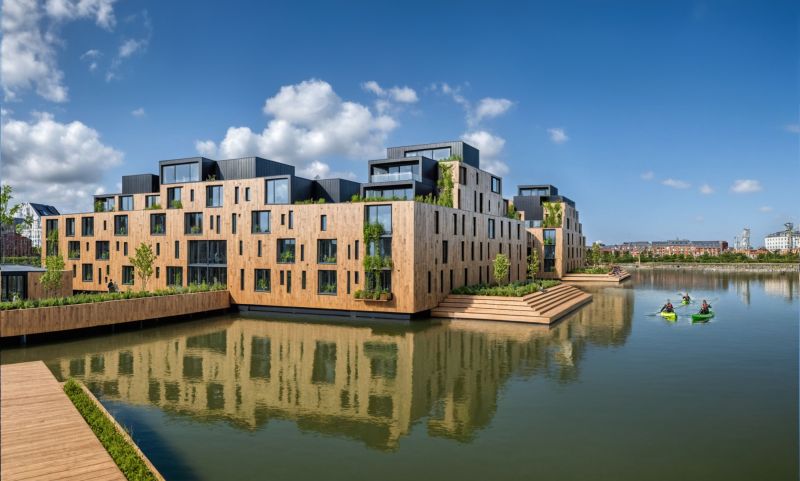
Circularity at the water’s edge redefines how we build,operate and renew the places closest to climate volatility.
It creates ecosystems where materials circulate and buildings adapt through time rather than resist change.
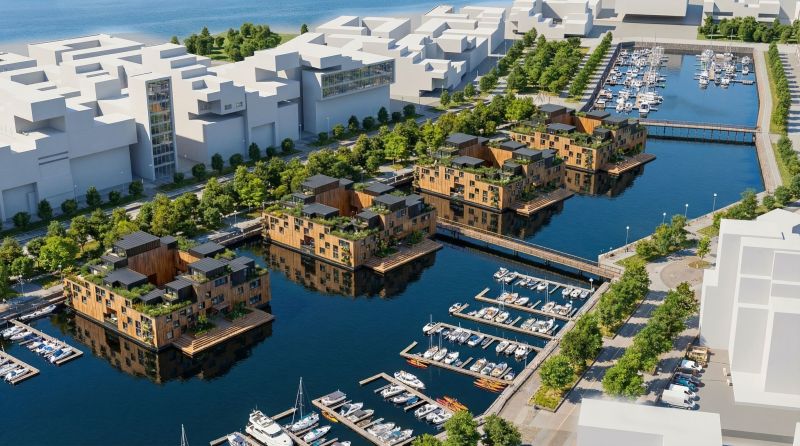
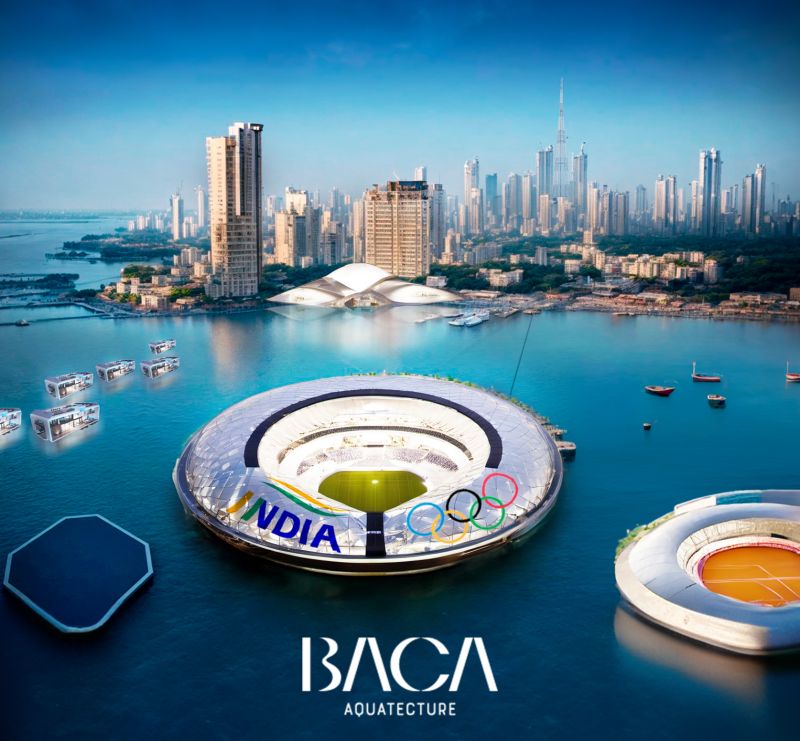
Floating architecture can become a cornerstone within this circular system.
When buildings sit on water, the assumptions around permanence begin to shift.
A floating structure is not fixed to the ground.
It is assembled, maintained and upgraded through modular,low-impact systems.
Platforms can be extended.
Utilities can be reconfigured.
Structures can be retrofitted, re-purposed or relocated as needs evolve.
It is a design framework with measurable impact, not an abstract concept.
This single shift lengthens the lifespan of a building and reduces the waste locked into conventional construction.
Aligning asset value with adaptability, not decay.
A circular waterfront economy is not simply a sustainability ambition.
It is an operational model for future-ready places.
As water levels change and climate regulations tighten, the communities that thrive will be those that treat water as a collaborator.
Not a threat.
Not an obstacle.
A design partner in an economy built to last.
March 3, 2026
February 18, 2026
February 4, 2026
January 22, 2026
January 15, 2026
December 11, 2025