January 15, 2026
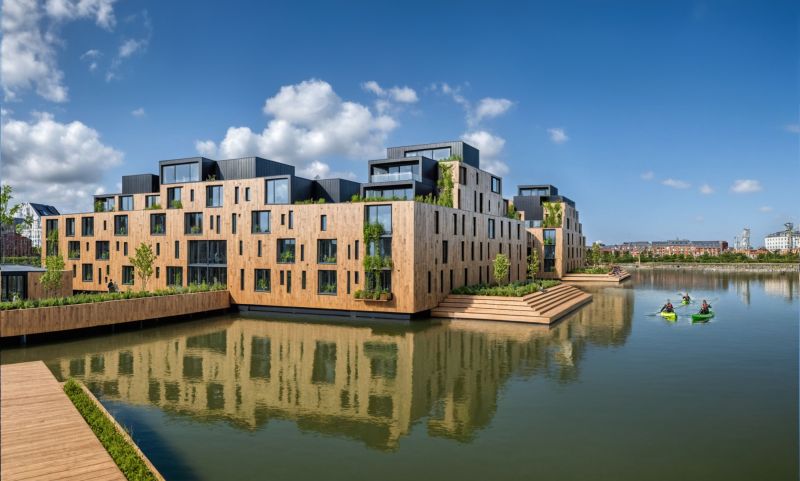
Not just for architecture, but for communities, landscapes, and economies.
The future of coastal and riverside development will not be defined by how well we can defend land.
It will be defined by how well we can live with water.
As climate pressures increase, water will reshape patterns of investment,tourism and urban growth.
Sites that once felt unreliable will become part of the solution:
- Communities will adapt rather than retreat.
- Hospitality destinations will incorporate water as an integral part of the experience, creating a stay that feels grounded within the natural environment.
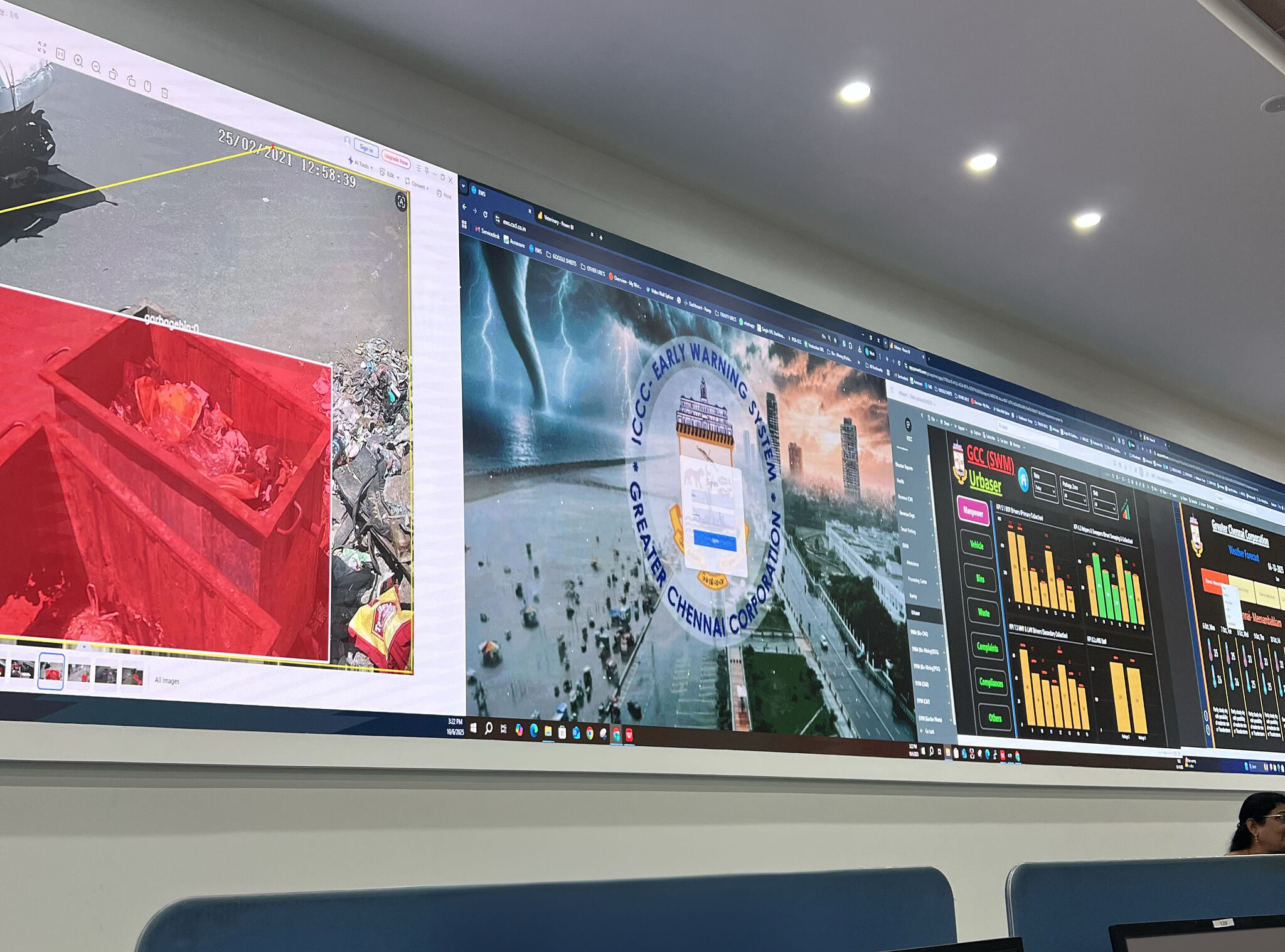
- Municipalities will use floating solutions to maintain essential services during unpredictable events, reframing their relationship with edges and waterfronts.
- Developers will use adaptable foundations to secure long-term returns and reduce the cost of climate-related disruptions and damages.
The future will reward places that remain flexible.
Floating architecture offers that flexibility without sacrificing stability.
A response to reality, rather than a trend.
Absorbing change rather than resisting it.
Turning climate uncertainty into something manageable.
Building places that endure, creating value without compromising resilience.
Ultimately shaping a future where water is not a threat, but essential to architecture.
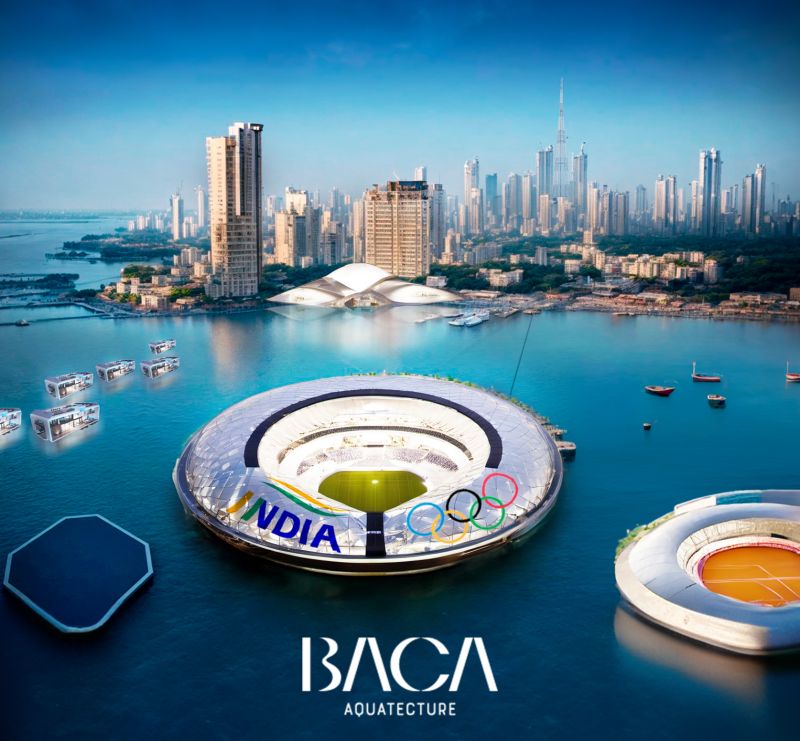
This logic extends beyond cities and coastlines, to the staging of mega-events.
Mega-events built on land have become financially unviable.
Costs escalate, returns diminish, and host cities are stuck with stranded assets.
Stadiums remain empty, residences undersell, and public investment is locked into infrastructure with no clear future.
What was meant to be a catalyst for growth becomes a liability.
8 host cities out of the last 10 Olympic Games were directly on a major coastline or major river.
Floating venues offer a different but realistic model.
Modular, transportable, and reusable, they shift events from ownership to deployment.
Assets can move between host nations, adapt to different contexts, and avoid permanent disruption to communities and landscapes.
The investment circulates rather than remaining static.
Reducing cost.
Reducing displacement.
Reducing environmental damage.
Replacing one-off spectacle with a repeatable system.
A way to host global events without leaving scars on cities and communities.
A future where even the largest gatherings learn to live lightly with water.
March 3, 2026
February 18, 2026
February 4, 2026
January 22, 2026
December 18, 2025
December 11, 2025