Liverpool Waterfront
The UK’s first waterspace strategy for the historic docks
Back to Cities, Skylines & Masterplans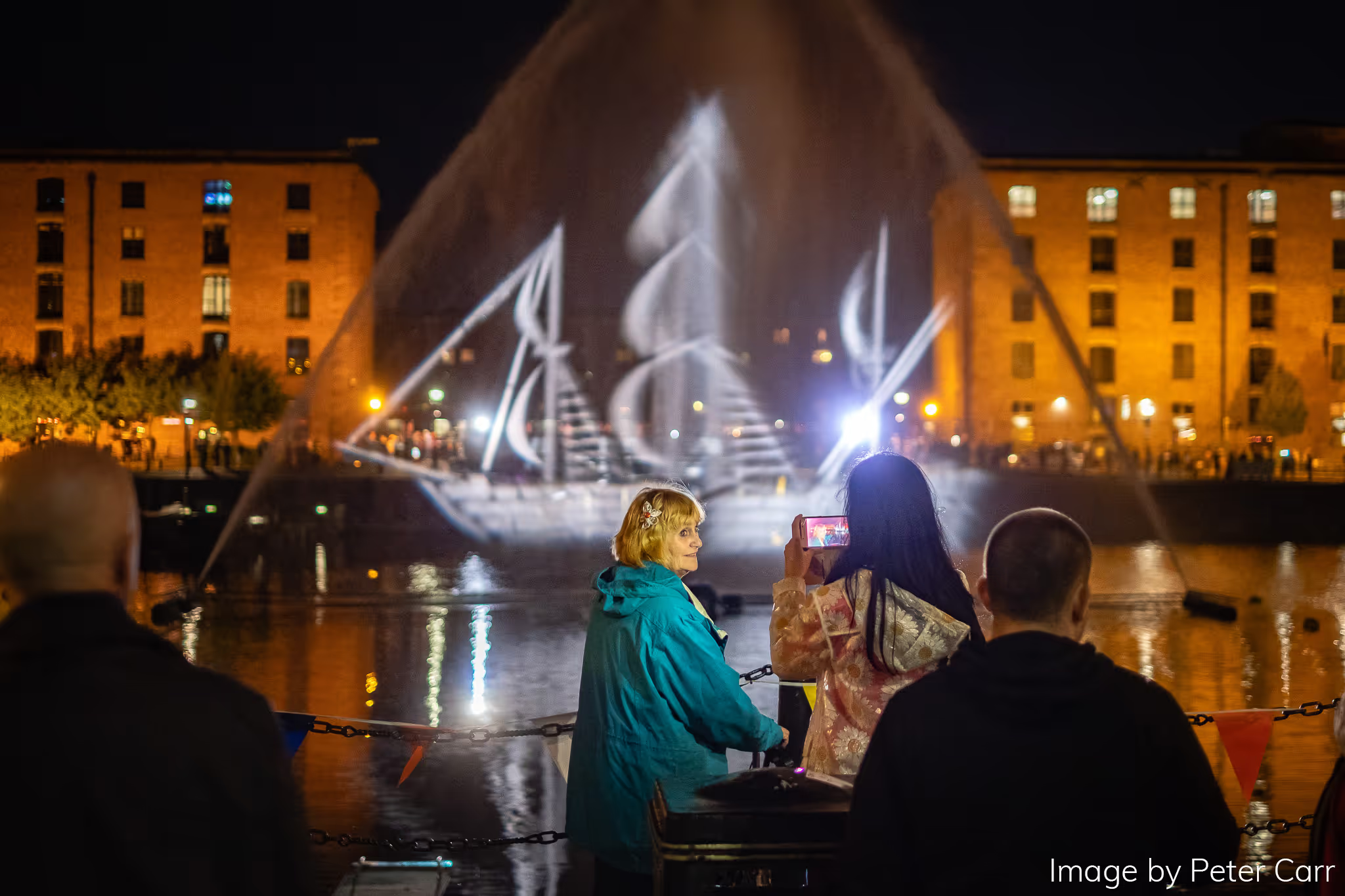
“Celebrating Liverpool’s identity as a city built on water.”

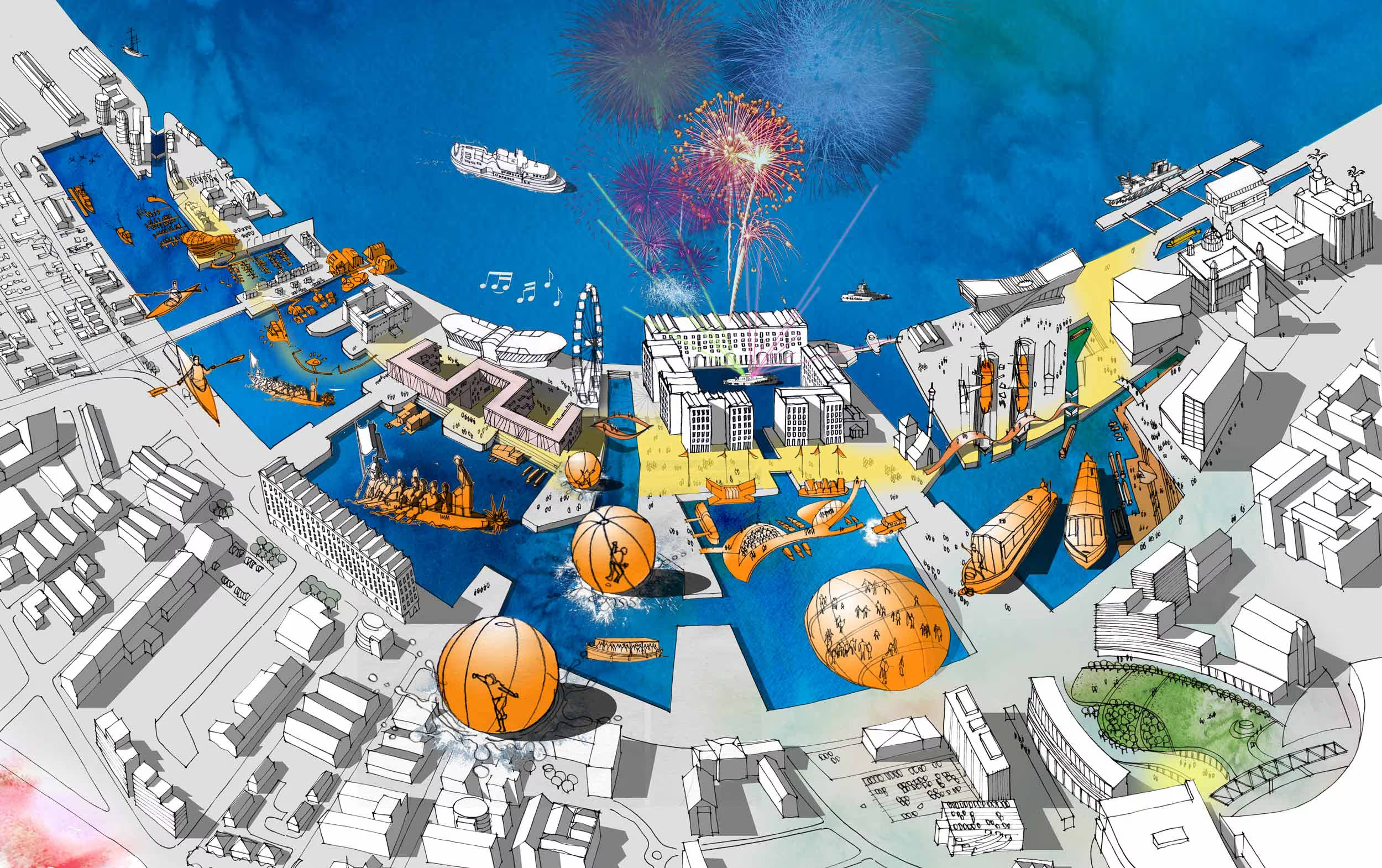
As a dynamic and agile practice, backed with internationally recognised research, we were commissioned by British Waterways to develop the UK’s first waterspace planning framework for the historic Liverpool Docks, a UNESCO World Heritage Site.
Our research-led approach shaped the Waterspace Strategy, rooted in the city's maritime legacy.
The strategy aims to revive and reimagine the 250-year-old docks as a dynamic destination for residents and visitors alike through sustainable waterfront development.
Celebrating Liverpool's identity as a city built on water, while creating a blueprint for sustainable waterfront regeneration applicable to dock networks worldwide.
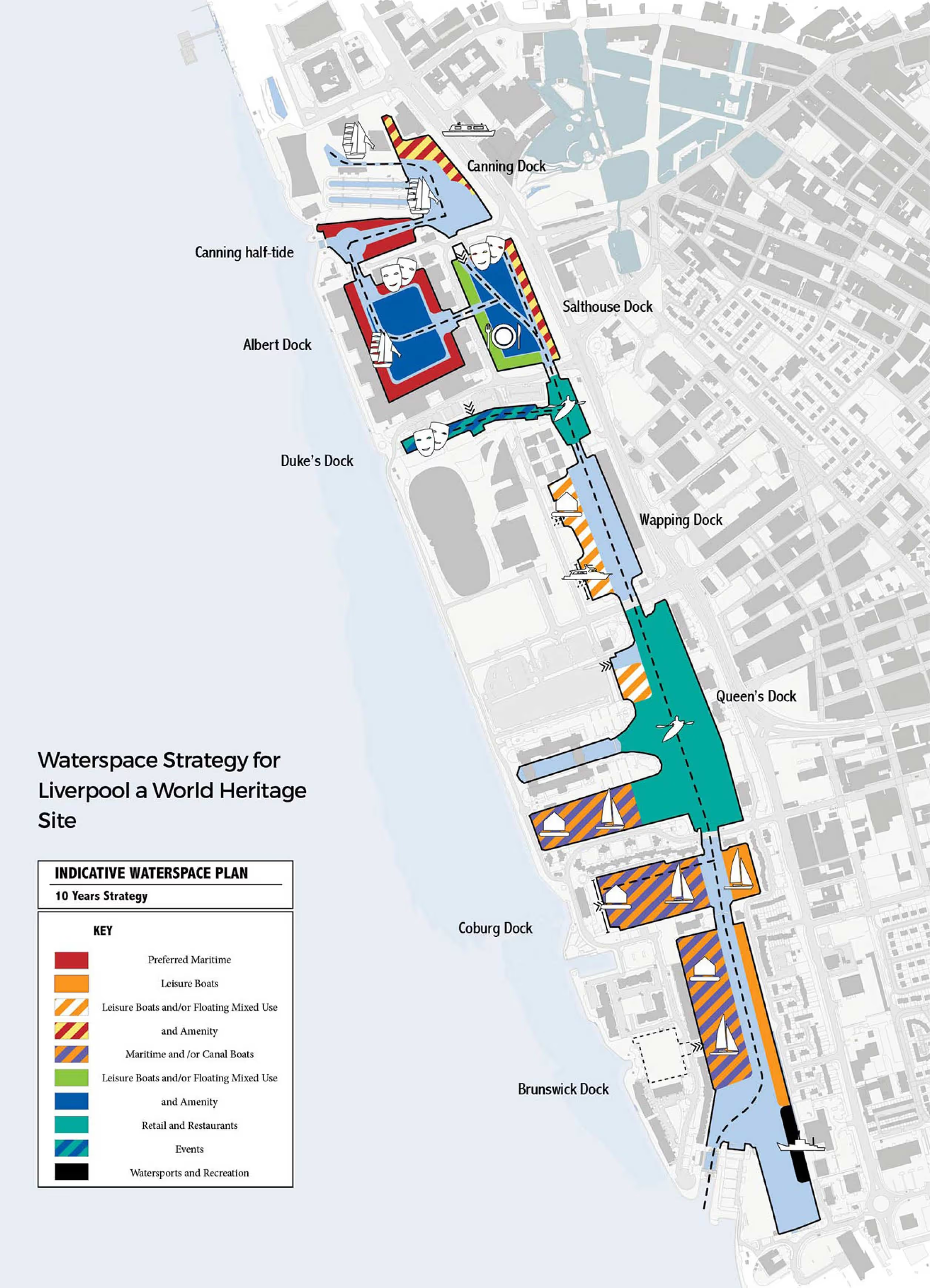

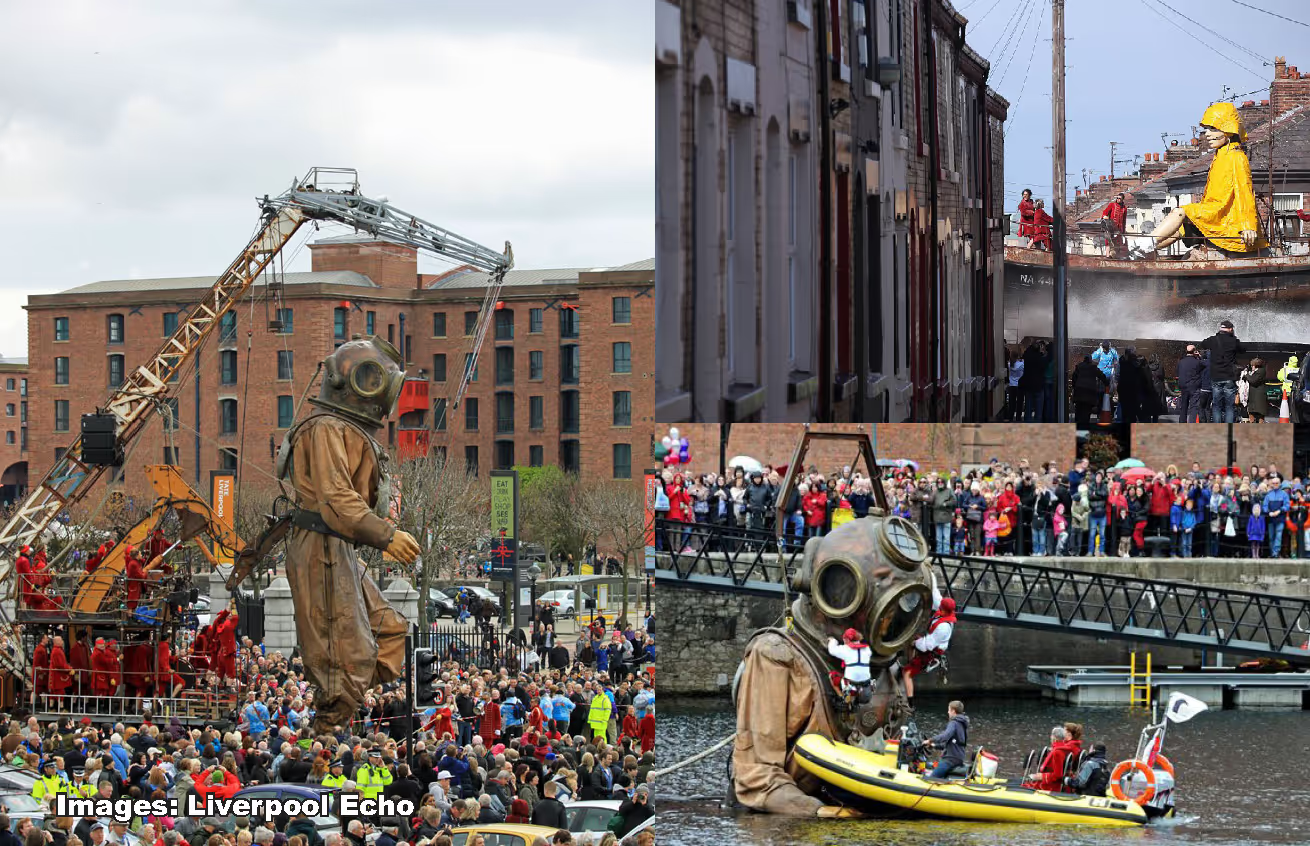
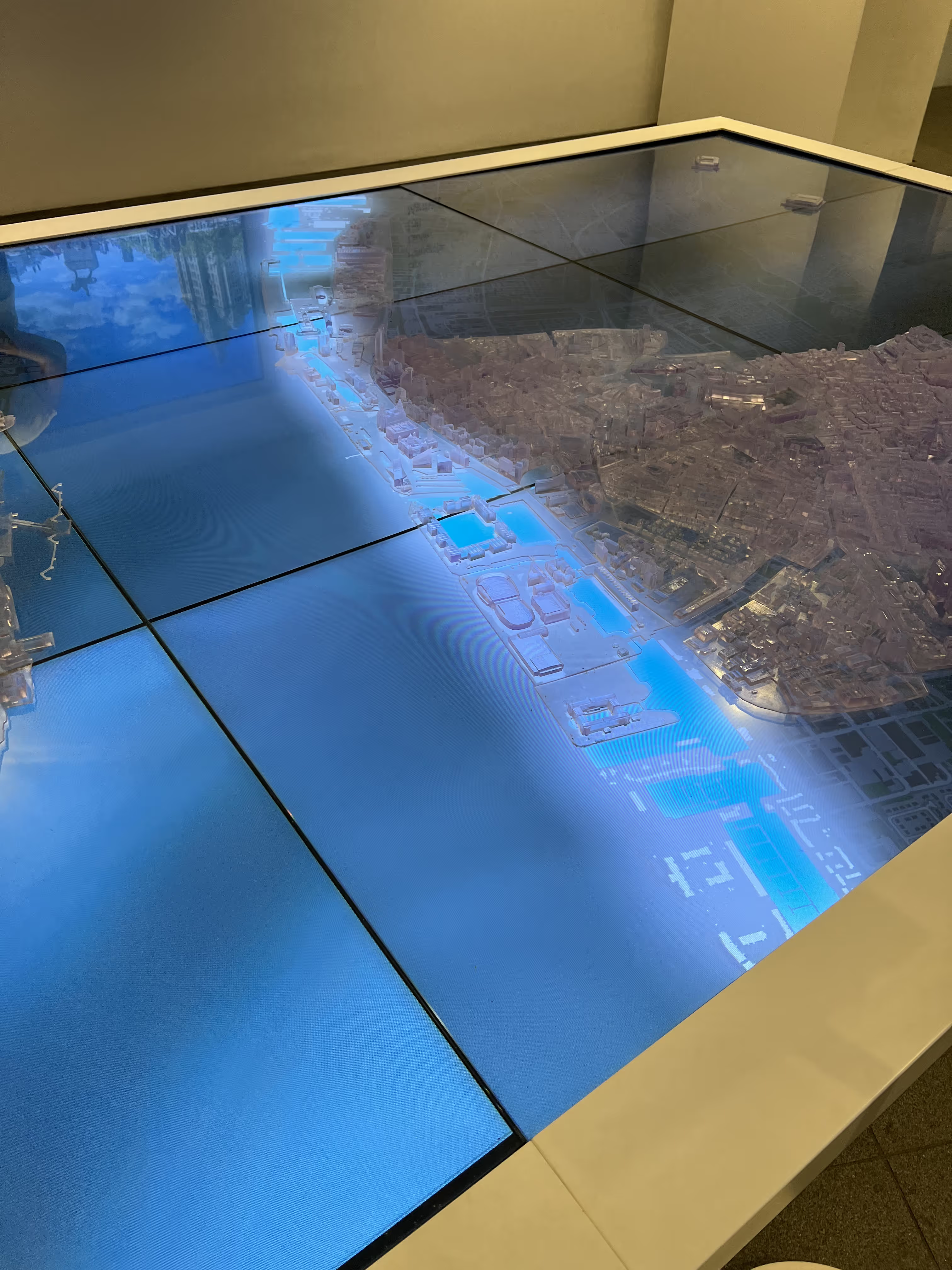
Covering more than 50 hectares, including 37 hectares of open water, the Liverpool South Docks plan created three distinct zones: a cultural waterfront for events and festivals, a mixed-use zone with a floating water park and floating homes, and a leisure and aquatic zone featuring a new marina and pedestrian bridge.
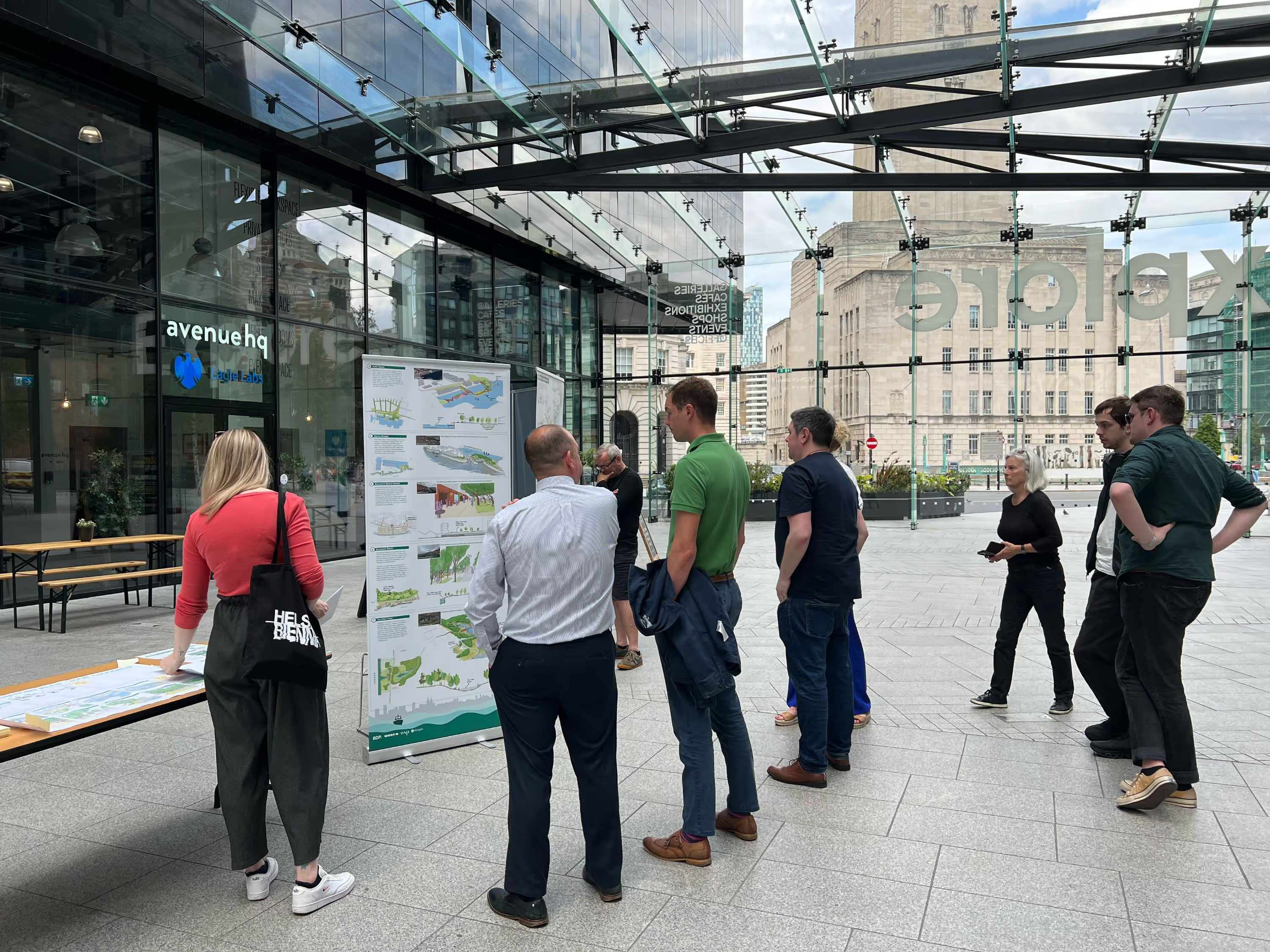
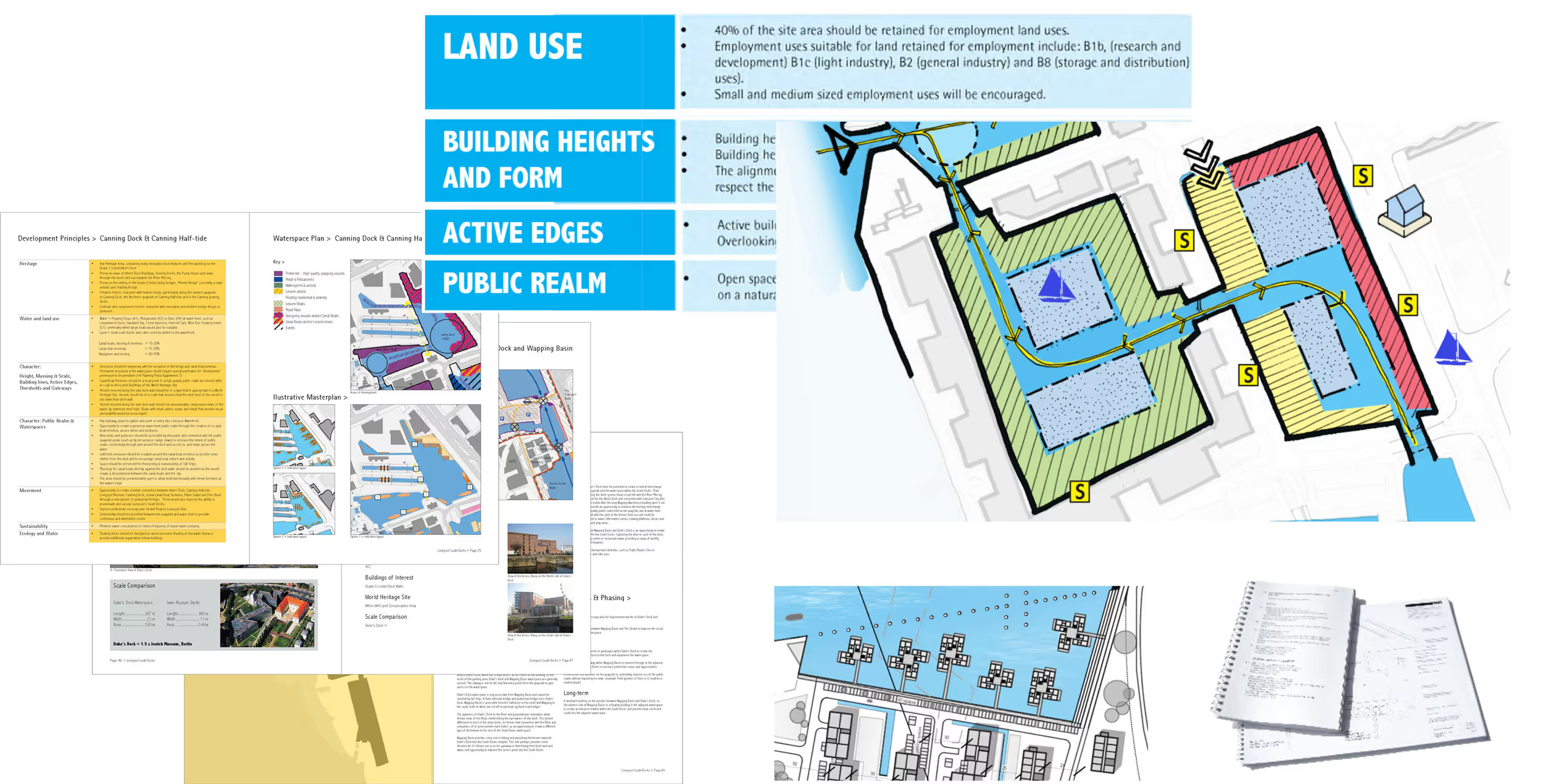
Our approach was collaborative, research-driven, and pioneering. Over 20 key stakeholders, including the Canal & River Trust, Liverpool Vision, and the City Council, were engaged throughout an 18-month consultation process.
This dialogue ensured that the strategy balanced cultural heritage, environmental resilience, and economic opportunity. Unlike traditional regeneration frameworks, the Waterspace Strategy was conceived as a masterplan on water, focusing not only on land-based redevelopment but on the use and design of water itself.
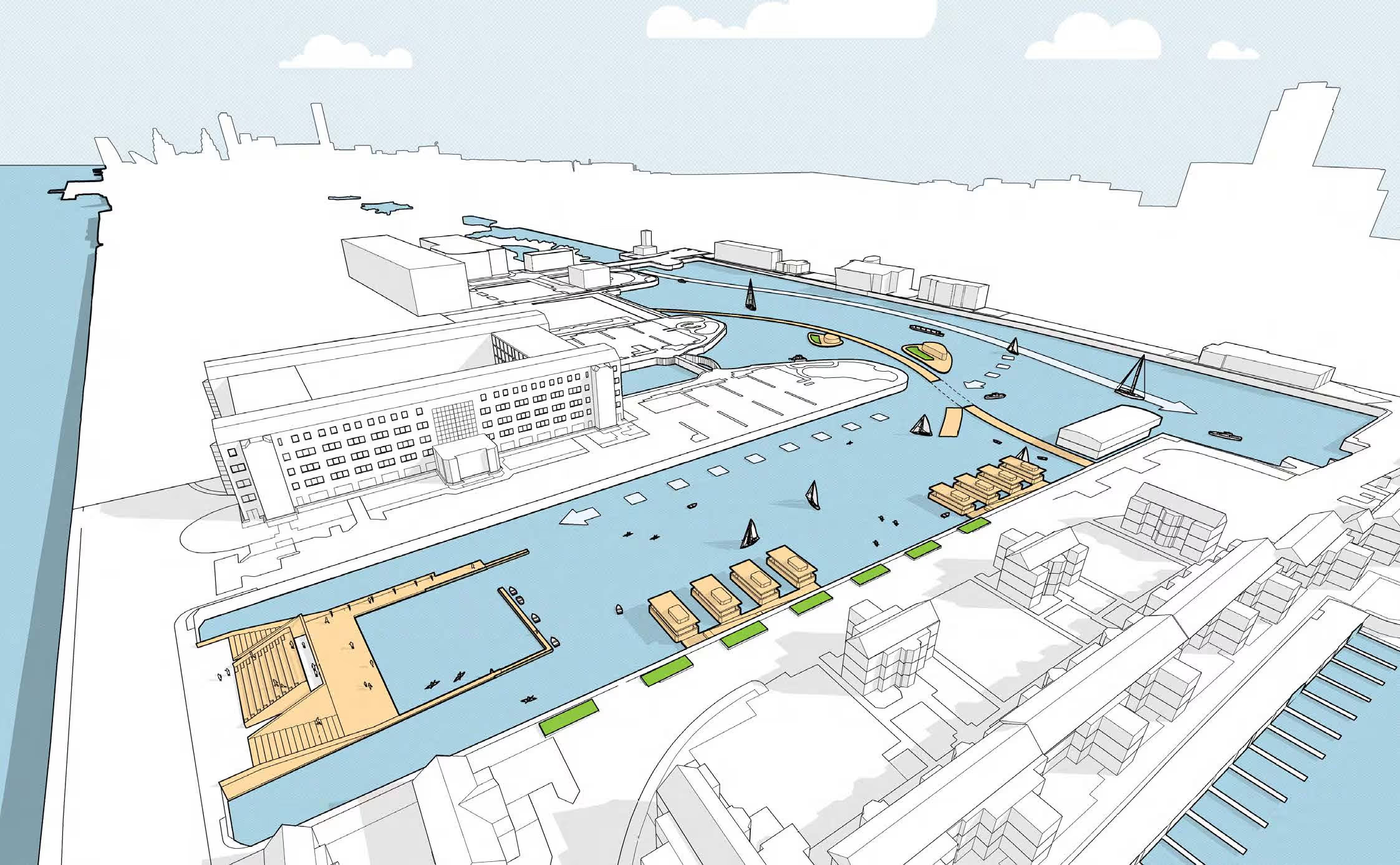
The strategy explored how floating architecture, public spaces and water-based infrastructure can coexist with heritage buildings to create a living, resilient waterfront.
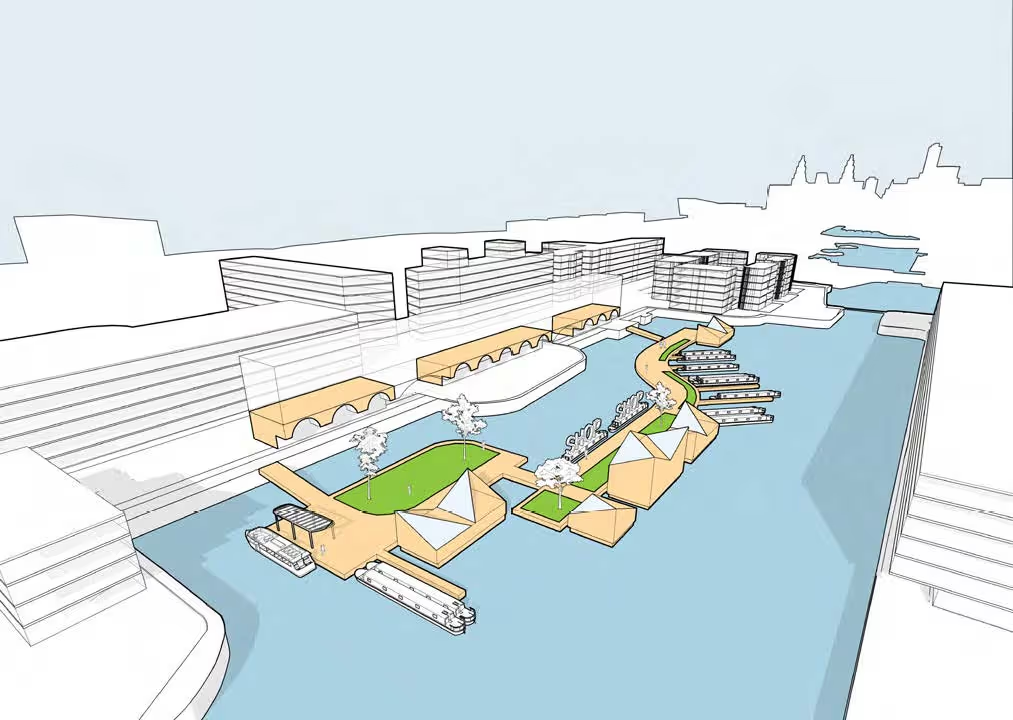
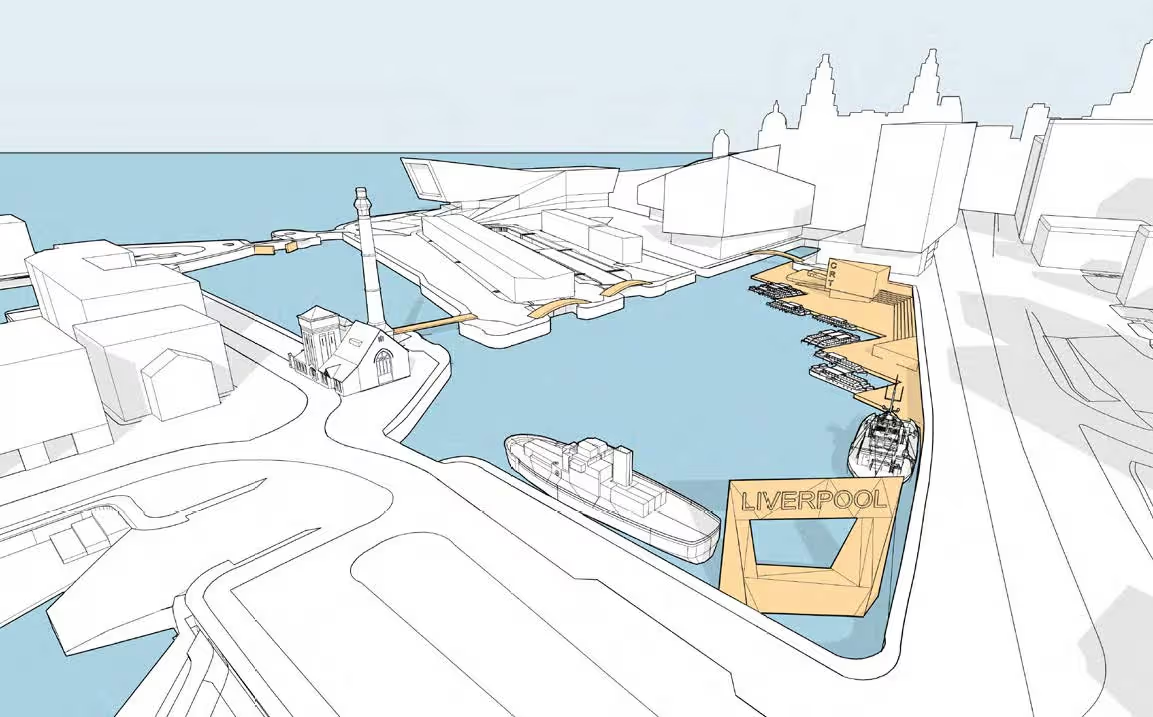
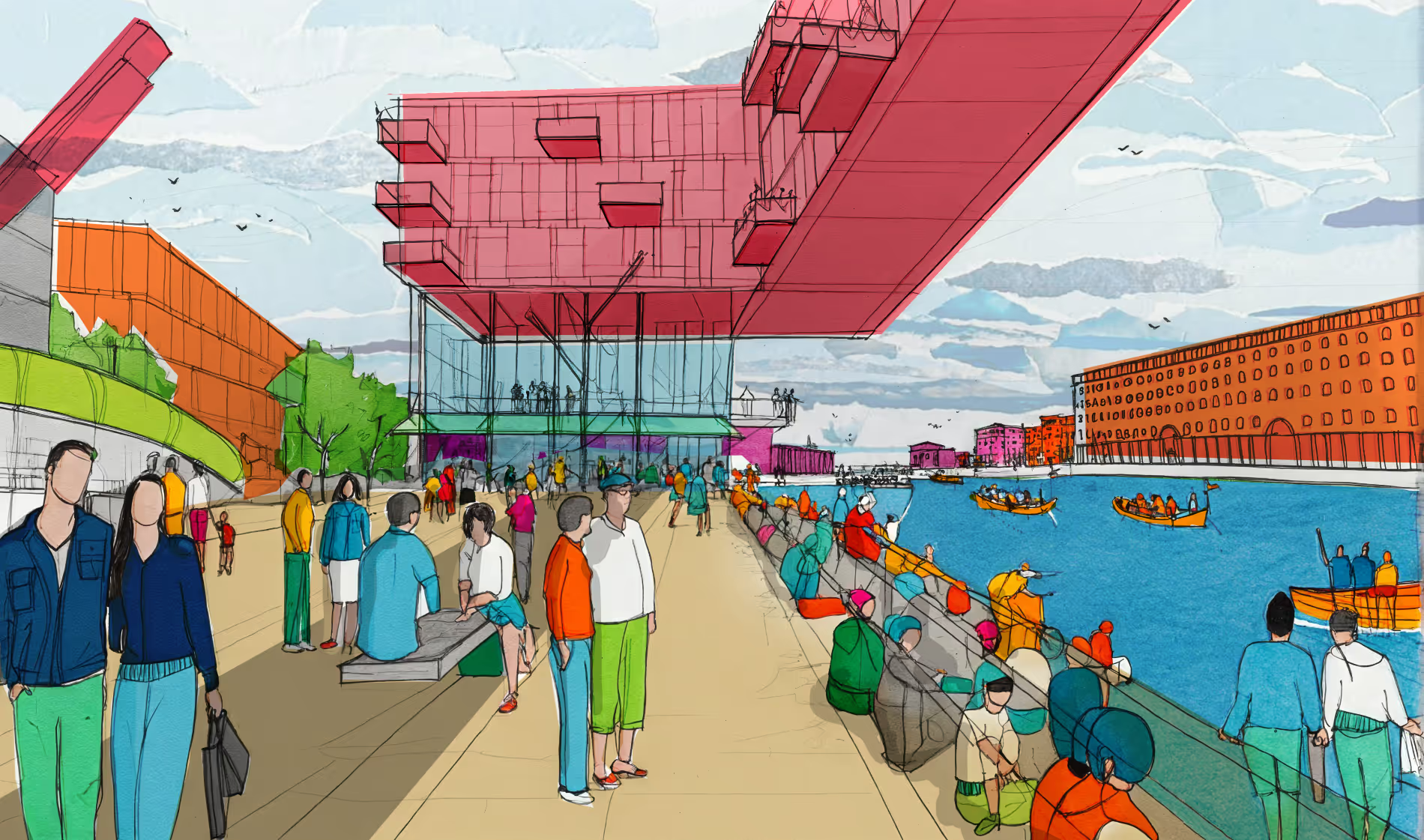
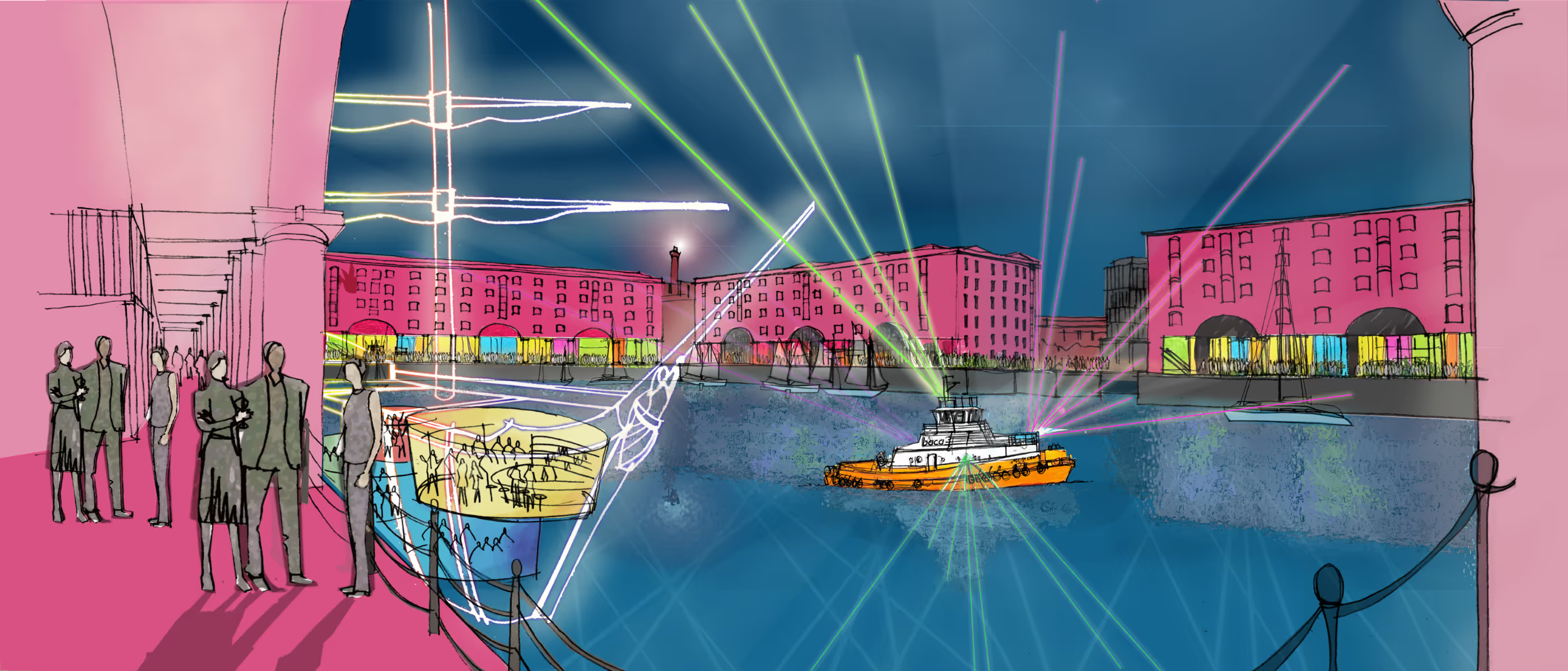
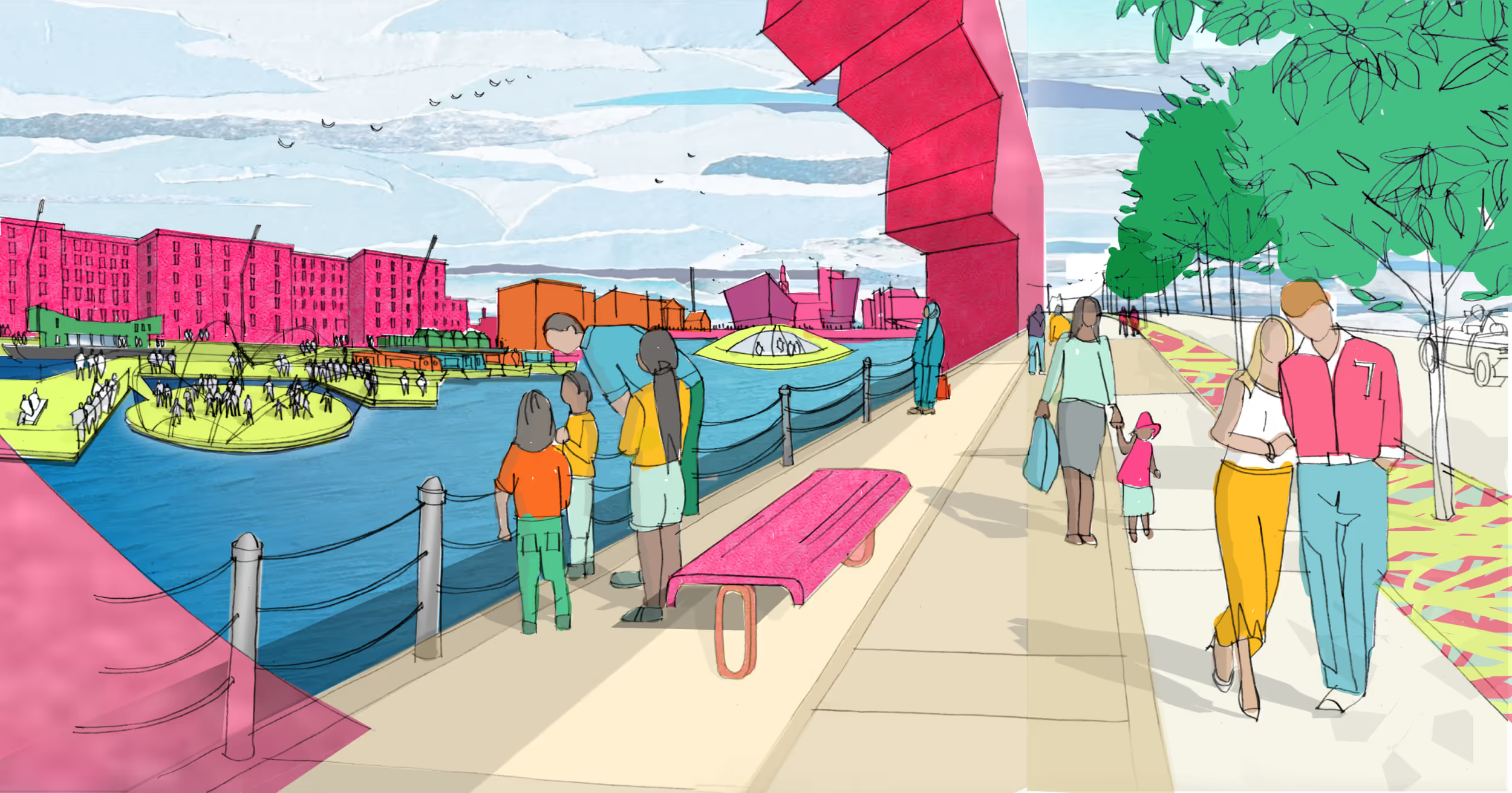
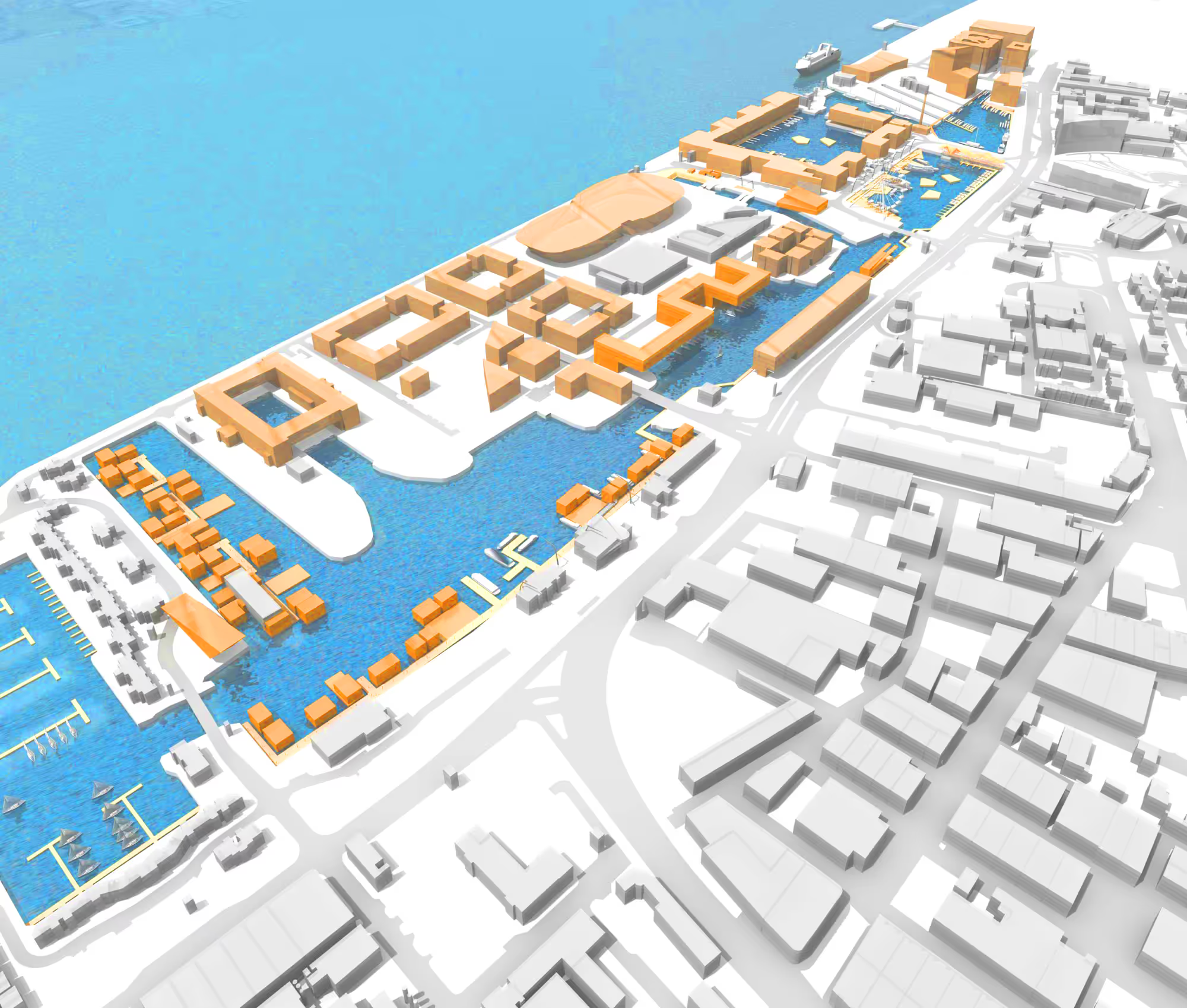
BACA’s Waterspace Strategy for Liverpool received the national Water Renaissance Award for Masterplanning and Strategy, recognising its innovation and lasting impact.
The plan sets a blueprint for waterfront regeneration, breathing new life into the docks while creating long-term investment opportunities.
Through careful planning of water plots, floating and fixed structures, and climate-adaptive design, the project offers a model for future sustainable waterfronts around the world.
By reconnecting Liverpool’s people with their waterways, the proposal positions the Liverpool Docks once again as one of the city’s greatest assets and a symbol of innovation in UK architecture.