Sustainability

"Sustainability is not an add-on to our work; it is the foundation of our design philosophy. For over two decades, our practice-based research has focused on creating low-carbon, climate-resilient architecture that works with natural systems rather than against them. Internationally recognised for our expertise in flood resilience, waterfront design and climate adaptation, we embrace water as a generative design force and a vital asset in shaping future communities."

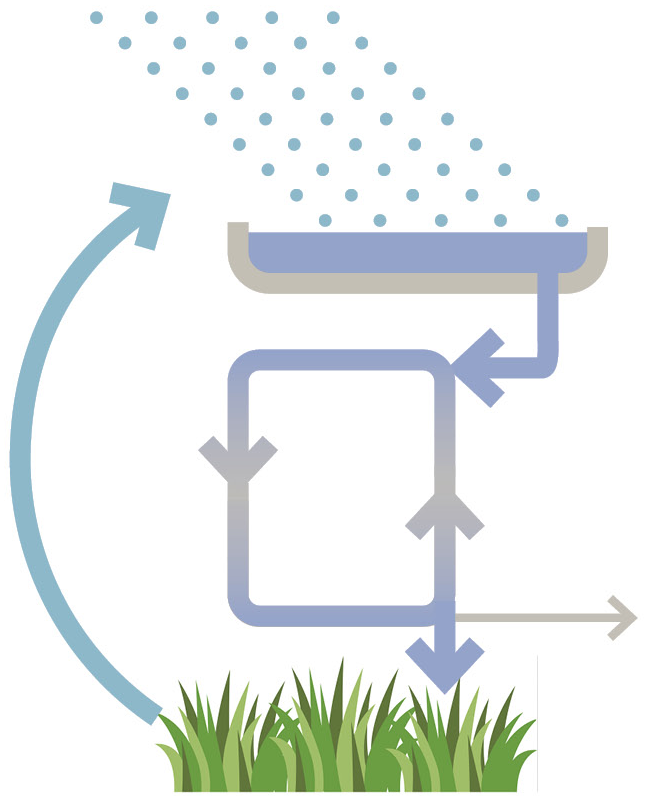
Rainwater collection & Greywater Recycling

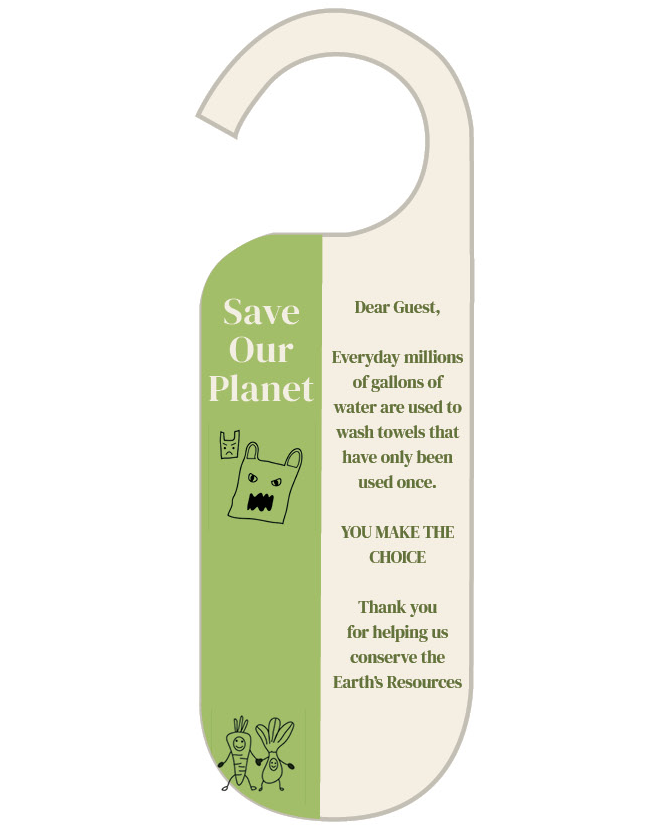
Minimise Water Useage & Resources in Rooms

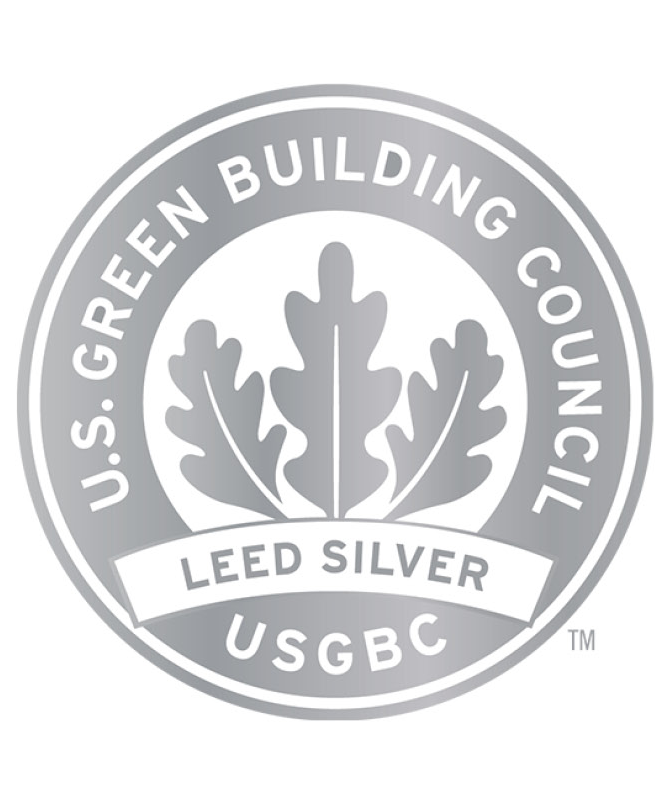
Designing to LEED
Platinum

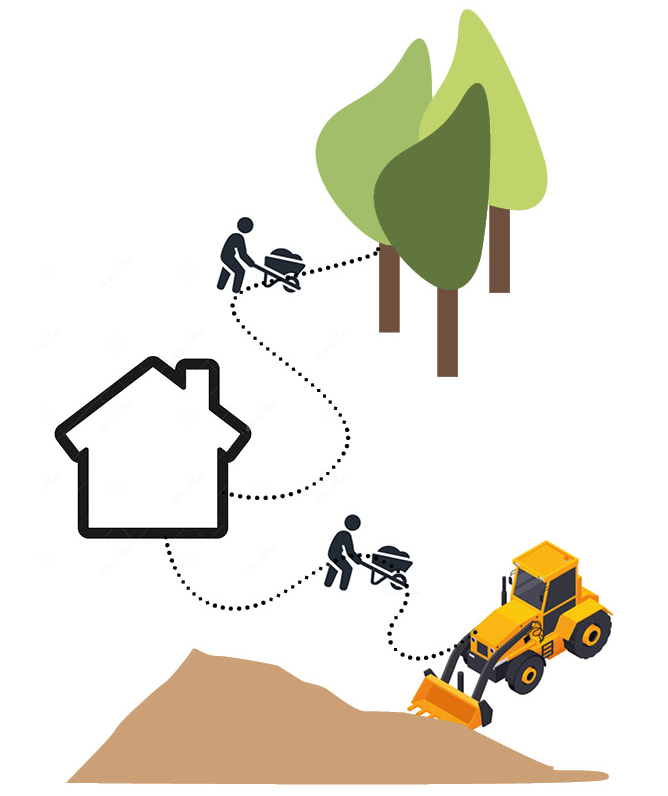
Local Materials &
Labour

We adopt a passive design approach to minimise operational energy, reduce embodied carbon and optimise comfort. Our strategies include solar optimisation, natural ventilation, thermal mass, renewable energy integration, water efficiency and circular economy principles such as designing for disassembly, reuse and long-term adaptability. Where appropriate, projects are guided toward recognised standards including BREEAM, LEED and Passivhaus, with multiple projects achieving the individual ratings.

Our Leading Eco-Projects

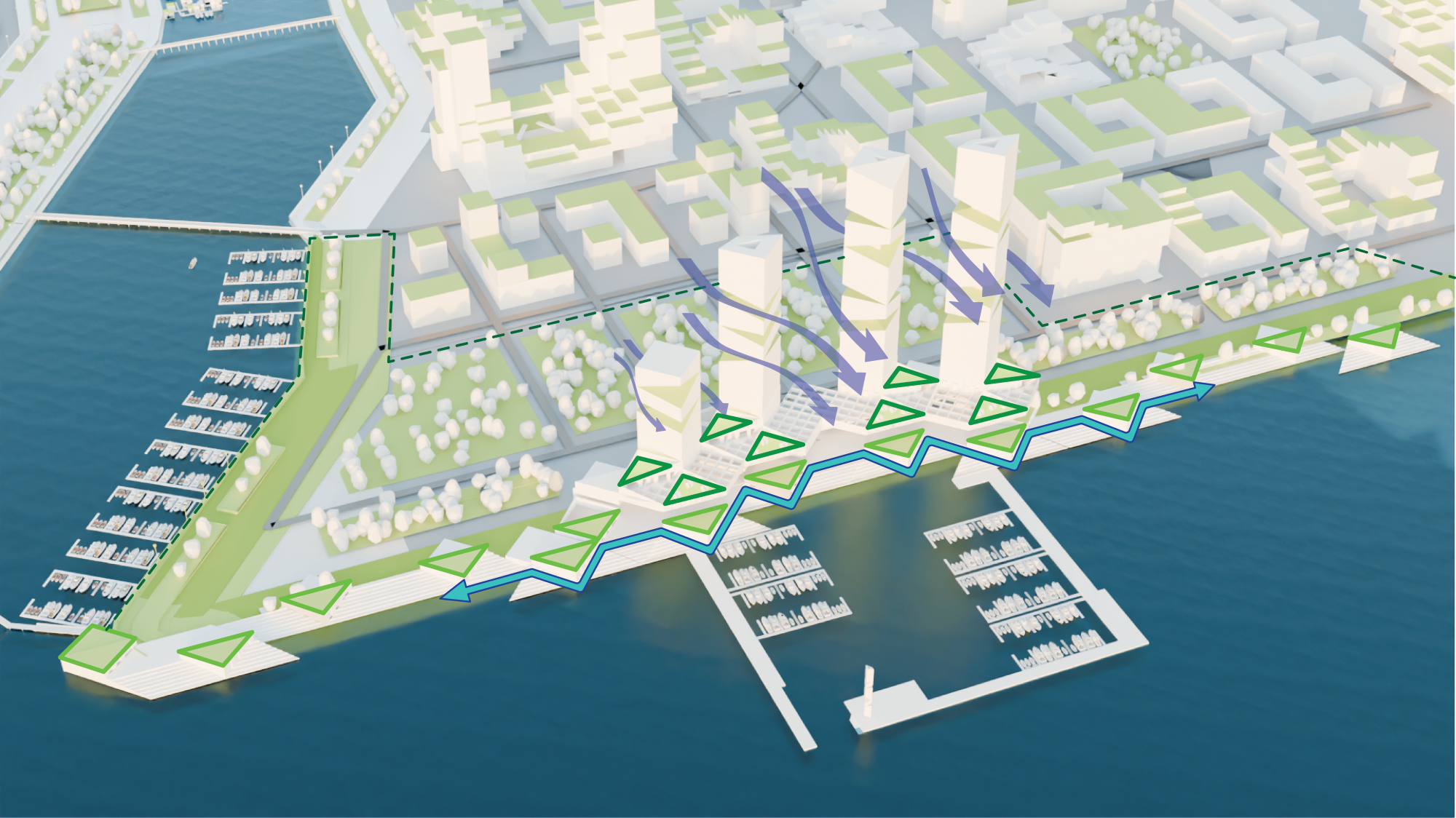
South Mumbai Waterfront

Location: Hollybush Lakes, Aldershot, UK
Energy Assessment: ' Very Good' BREEAM Assessment
Client: Drayparks
Building Type: Sports Leisure Centre

A landmark mixed-use destination featuring four iconic towers rising above a vibrant boutique mall and waterfront marina. Designed with bold ambition, it blends luxury living and next-generation workplaces with smart, sustainable engineering
- including seamlessly integrated flood-mitigation systems.

Hollybush Lakes

Location: Hollybush Lakes, Aldershot, UK
Energy Assessment: ' Very Good' BREEAM Assessment
Client: Drayparks
Building Type: Sports Leisure Centre

The Sport Leisure Centre design achieved a ‘Very Good’ BREEAM pre-assessment rating with a score of 60.1%, reflecting strong performance in water and energy management, responsible material selection, waste reduction and health and wellbeing.

This score is expected to rise as the design evolves.

At Hollybush Lakes, the project reinforces these principles through extensive ecological restoration, delivering a 12.45% habitat net gain and a 277% gain in linear features. New wetlands, reedbeds and regenerated lake habitats demonstrate a commitment to sustainable land management, supporting biodiversity while enabling low-impact recreation and long-term resilience.

Modern cantilevered building near a lake with people jogging, biking, and kayaking.

Ashwicken Lakes

Location: Ashwicken Lakes, Norfolk, UK
Energy Assessment: ' Very Good' BREEAM Assessment
Client: Norfolk Farms
Scope: Clubhouse with pool, 250 lodges, PV array, on site package treatment plan, SUDS, +10% net ecological gain

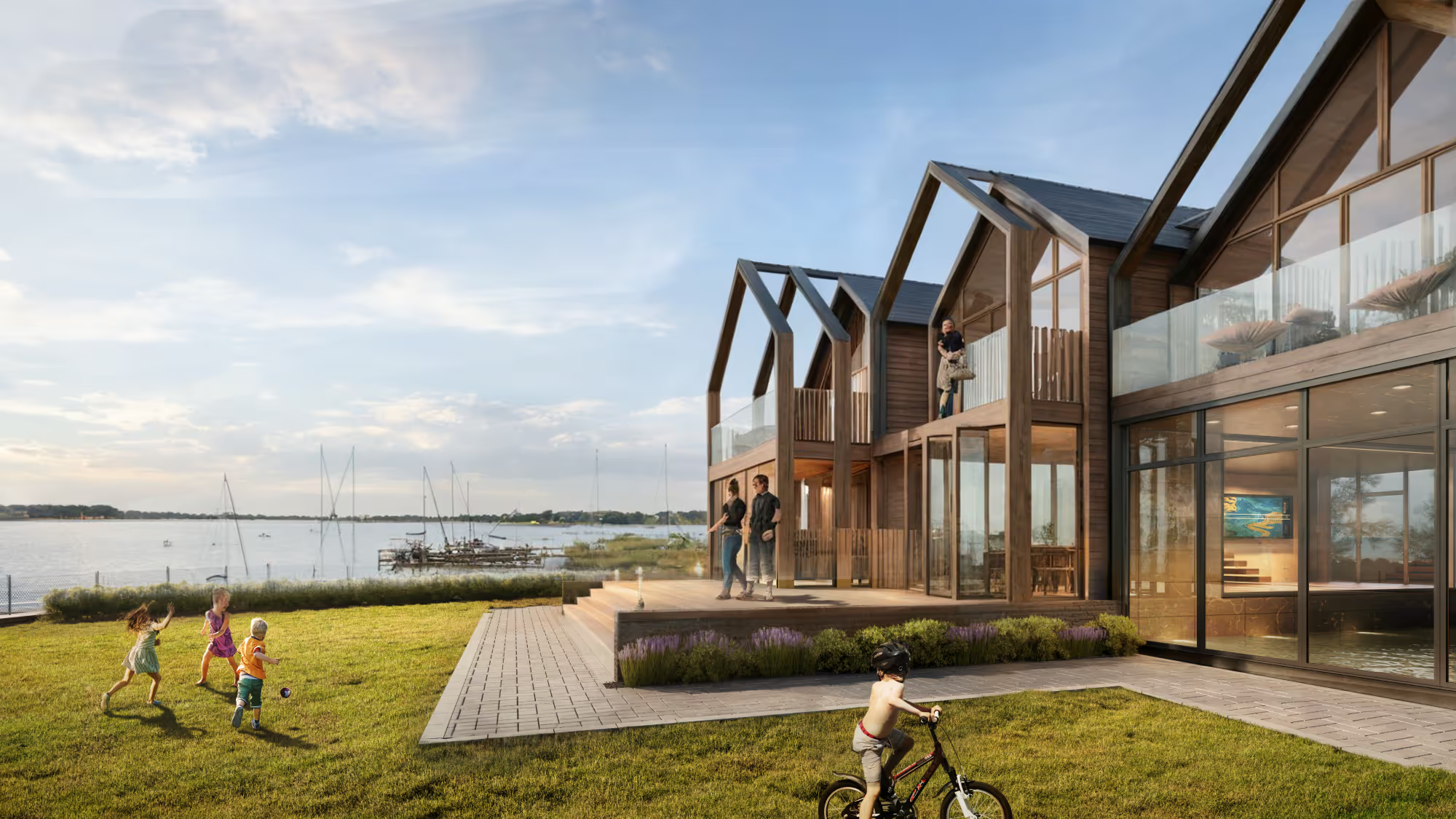
The Clubhouse and Spa design achieved a ‘Very Good’ rating in the BREEAM pre-assessment, scoring 57.37% with potential to increase as the design develops. This rating reflects strong performance across water and energy management, responsible material selection, construction and operational waste reduction, and measures that prioritise health and wellbeing.

We collaborated with conservation specialists to enhance local habitats, integrating features that support biodiversity and minimise ecological disruption. Buildings are positioned around existing landscape character, treehouses sit lightly within woodland canopies, and villas avoid wildlife corridors. Rewilded zones now support species such as bitterns, otters and barn owls, demonstrating a holistic sustainability strategy that aligns with BREEAM’s environmental goals.

Modern waterfront villa with large glass windows, a wooden deck, children playing on the lawn, and sailboats in the background.

Serenity House

Location: Nottingham, UK
Energy Assessment: Passivehaus
Client: Euromillionaire Winners
Scope: Design, full planning permission secured. Developed to RIBA Stage 5.

Passivhaus Certification requires: space heating demand ≤15 kWh/m²·yr, cooling demand ≤15 kWh/m²·yr, primary energy demand ≤120 kWh/m²·yr, and air-tightness n50 ≤0.6 h⁻¹. As a comfort and quality standard, Certification may be withheld if performance is uncertain.

Key comfort criteria include: overheating of <10% of annual hours above 25°C, openable windows in all living spaces, internal surface temperatures above 17°C in winter, and user-adjustable ventilation and temperature controls.

Serenity House includes three rooms that could become future bedrooms, giving a potential maximum of 16 occupants. For verification, Cocreate will apply PHI’s minimum occupancy density of 50 m²/person while optimising the design to the building’s realistic family-scale use.

Sherwood Lodge

Location: Nottingham, UK
Status: RIBA Stage 2
Client: Private
Scope: 6-bedroom house

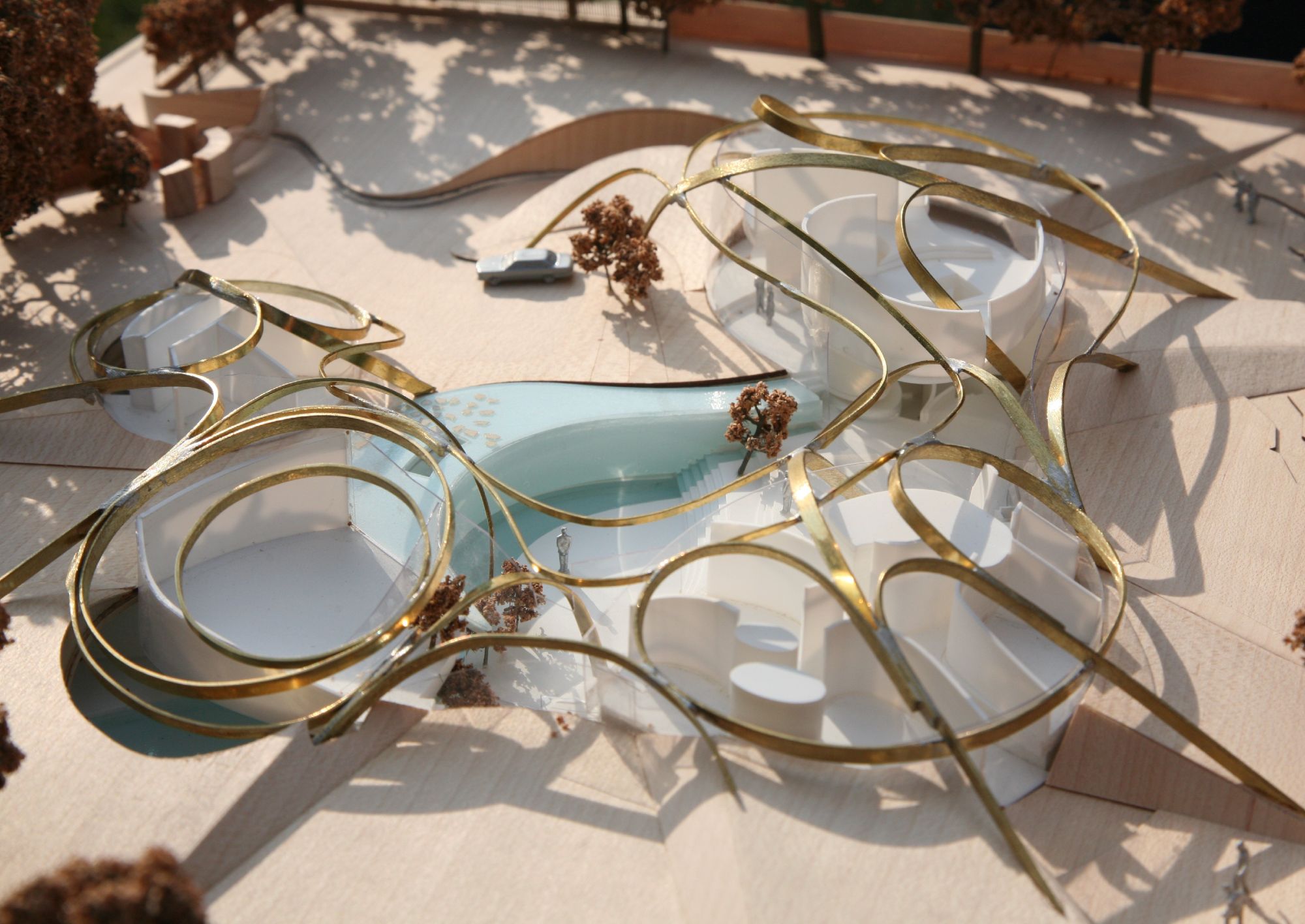
This countryside home is conceived as a low-energy exemplar, shaped by its woodland setting and designed to blend naturally into the landscape.

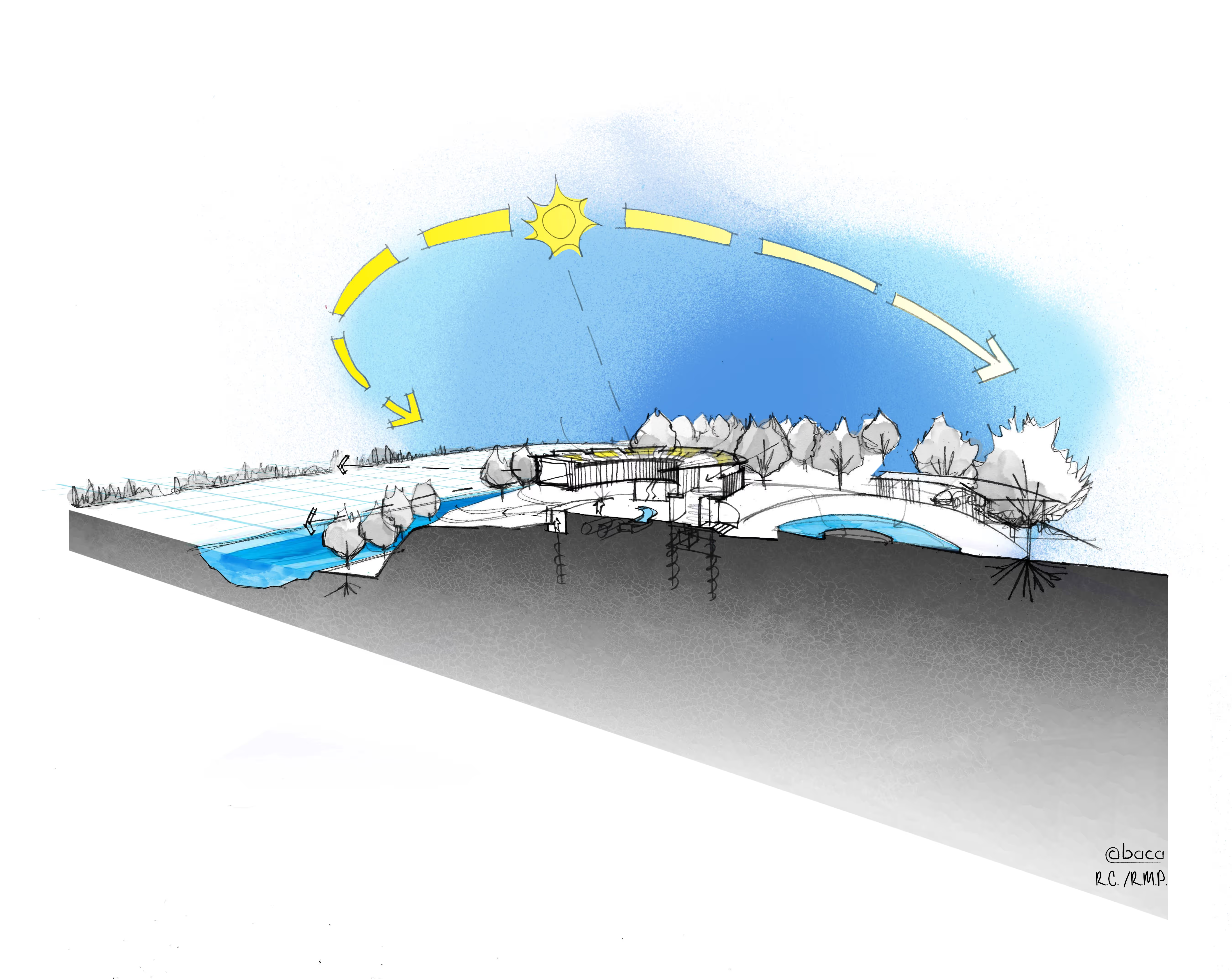
Its circular, courtyard-focused form tracks the sun to optimise daylighting and passive solar gain, while a green roof and Corten lattice help the building settle into the surrounding trees. The dwelling employs best-practice fabric efficiency, a holistic environmental strategy and a substantial suite of renewable technologies to minimise operational energy.

Architectural sketch showing a landscape with water features, trees, and buildings with arrows indicating the sun's path.

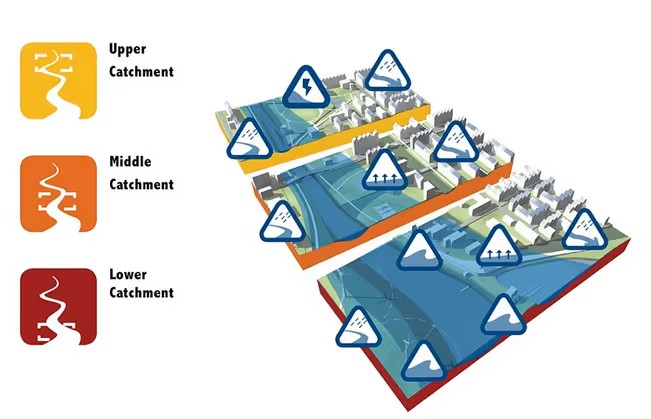
Our approach integrates nature-based solutions, blue-green infrastructure and innovative building typologies to reduce reliance on carbon-intensive engineering. Landscapes are designed to store, slow and clean water, enhancing biodiversity, improving urban cooling and supporting human wellbeing. This is coupled with advanced architectural responses, including elevated, floating and amphibious buildings, collectively known as aquatecture, enabling developments to remain functional during floods, droughts and long-term climate change.

LifE Project

Our LifE, Long-term Initiatives for Flood-risk Environments, framework, developed for the UK Government's Department for Environment, Food & Rural Affairs, pioneered a shift from flood defence to adaptive planning, demonstrating that resilient, zero-carbon development can be cost-effective over the lifetime of a place.

Venn diagram with three overlapping circles labeled Increased Risk of Flooding, Development Pressure, and Environmental Changes, with intersections labeled Living with Water, Making Space for Water, Eco Design, and the center labeled LifE.

Across masterplanning, housing, resorts and infrastructure, our sustainability agenda delivers resilient places that protect ecosystems, support communities and demonstrate that sustainable living is achievable today, not a future aspiration.

Explore:

Aerial view of BACA's Yanbu Visitor's Centre on a coastal pier with boats docked and a tall abstract tower nearby.

Leisure & Hospitality

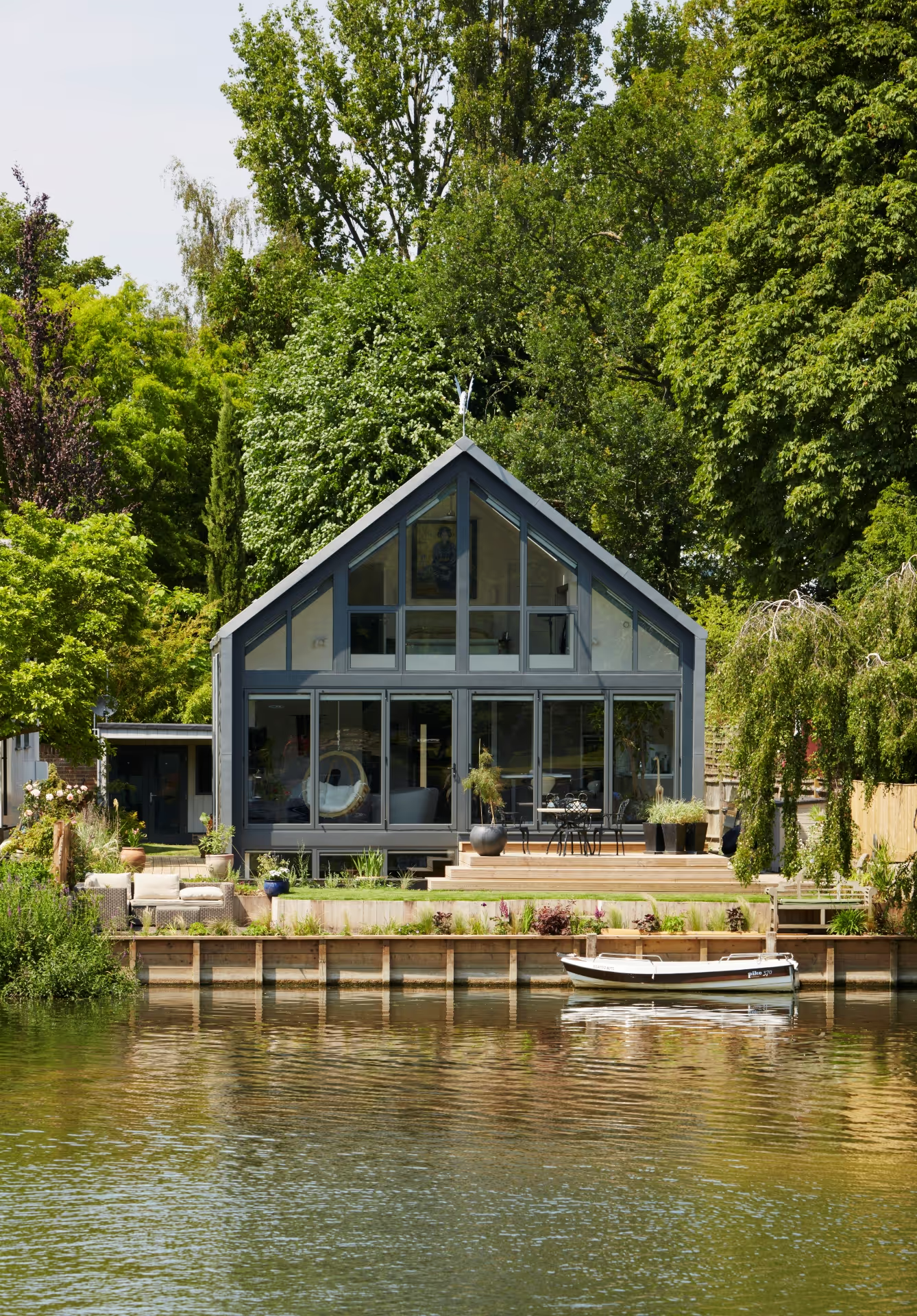
Modern glass house with a gabled roof beside a river, surrounded by lush green trees and featuring a wooden deck with outdoor furniture and a small white boat docked at the water.

Flood Resilient Architecture

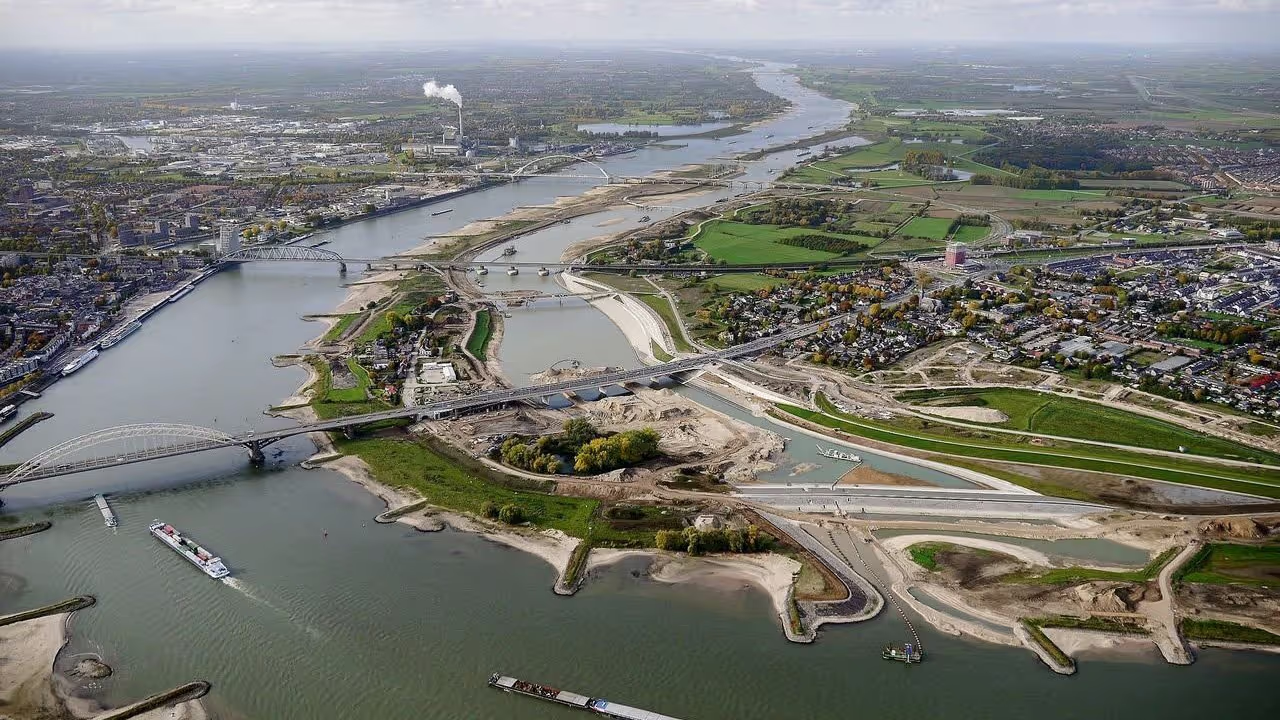
Aerial view of a river with multiple bridges, adjacent urban areas, green fields, and boats navigating the water.

Flood Proof Masterplans