
Weave House

Location: Essex, UK
Scale: 4-bedroom house
Constraints: Flood zones 1, 2, and 3

World map with a red location marker on the Isle of Man near the United Kingdom.

Background

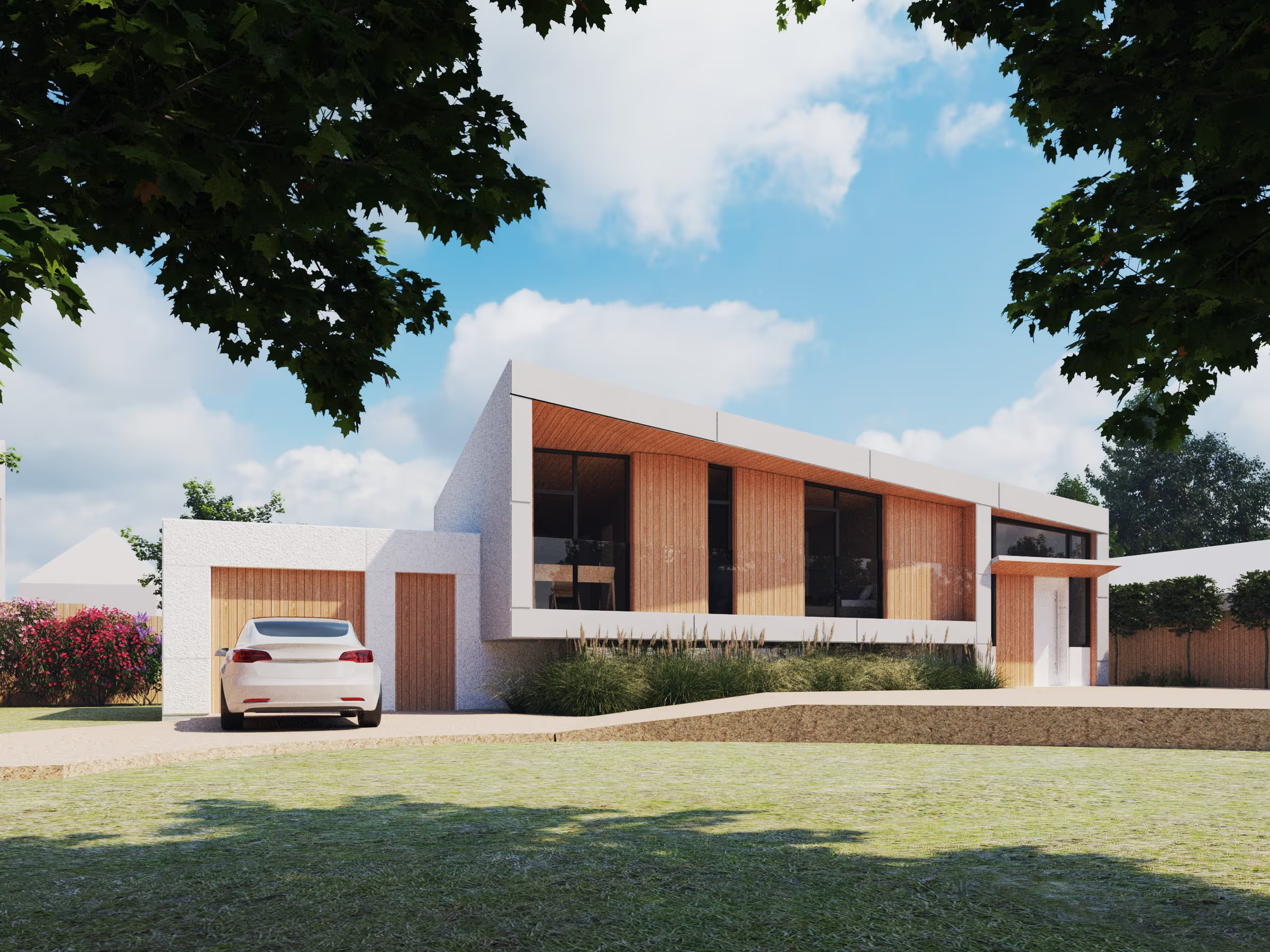
The proposal is to replace a dilapidated house and outbuildings with a state-of-the-art, eco-friendly and flood-resilient home. The new dwelling is positioned to maximise views over the River Wid and to provide a peaceful, long-term residence for the owners, a pair of healthy retirees planning their forever home.

A generous rewilded garden forms the approach to the property, with both pedestrian and vehicular access leading past this natural landscape towards the front door and garage. The access road rises gently to ensure a dry route during small flood events, contributing to the overall flood-resilient strategy.

The gardens themselves will be fully rewilded, delivering a biodiversity net gain and incorporating an extensive Sustainable Urban Drainage System (SuDS). By managing water at source, these features help reduce the impact of floodwater on downstream areas of the village.

Process

The house is conceived as a sequence of spaces linked by a gently ramped spine that rises in half-storey increments. This circulation strategy lifts the main living areas out of the floodplain while giving the home its distinctive character. The dwelling spans both the north and south gardens, with the spine providing a seamless connection between them.

The entrance is at ground level and opens into a generous lobby with direct access to a downstairs toilet/boot room and a combined utility and plant space. From here, the owners can either ascend to the bedroom wing or follow the ramped spine that leads toward the main living areas at the northern end of the site.

Architecture

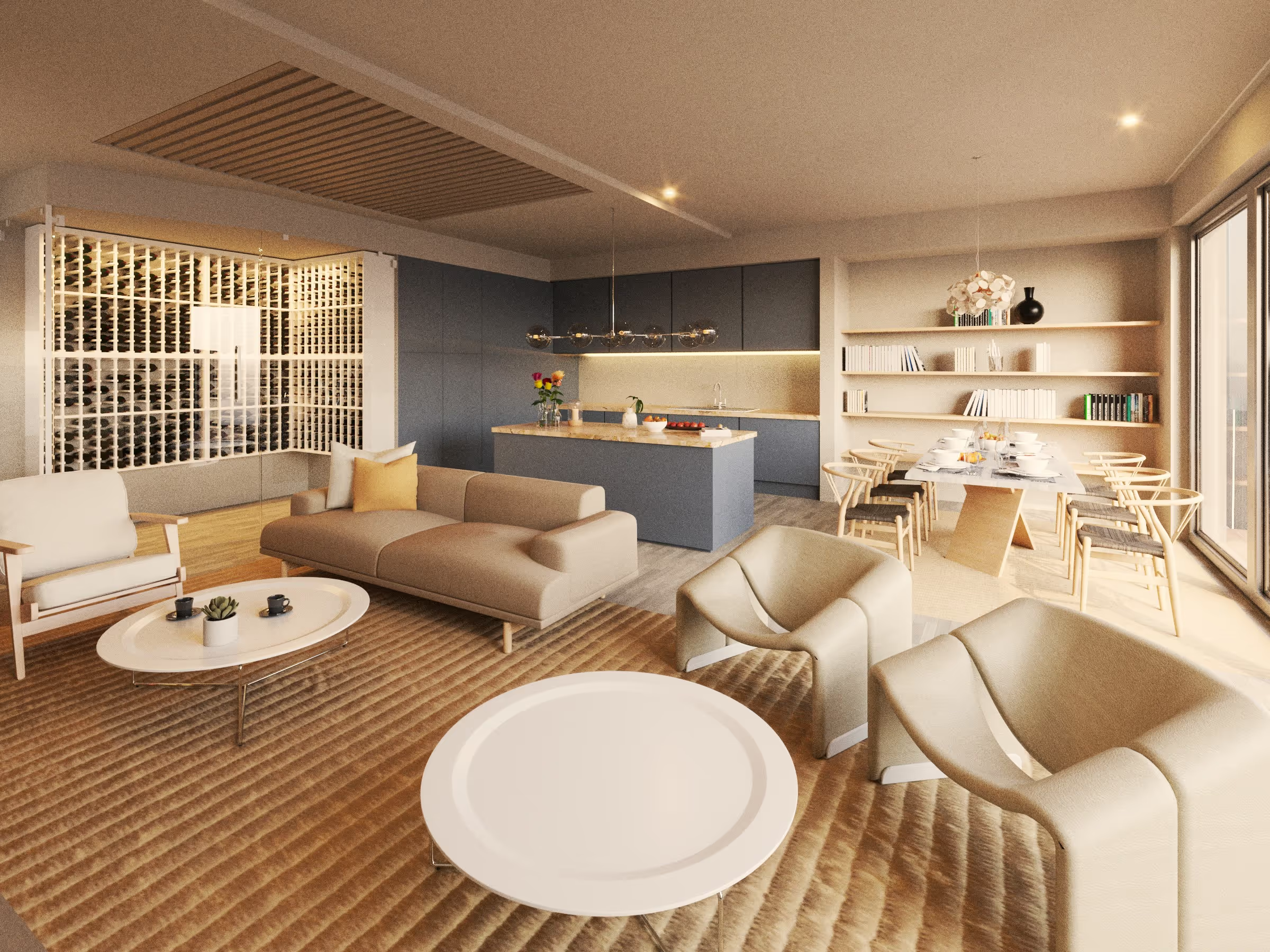
The primary living spaces, kitchen, dining and living room, are open-plan and positioned to capture expansive views over the River Wid. A staircase beside the kitchen leads to the first floor, where the master bedrooms are located.

The southern end of the home is reached by the spine ramp, which switches back from the main living areas. This section contains two additional bedrooms overlooking the rewilded garden, offering a quiet, nature-rich outlook.

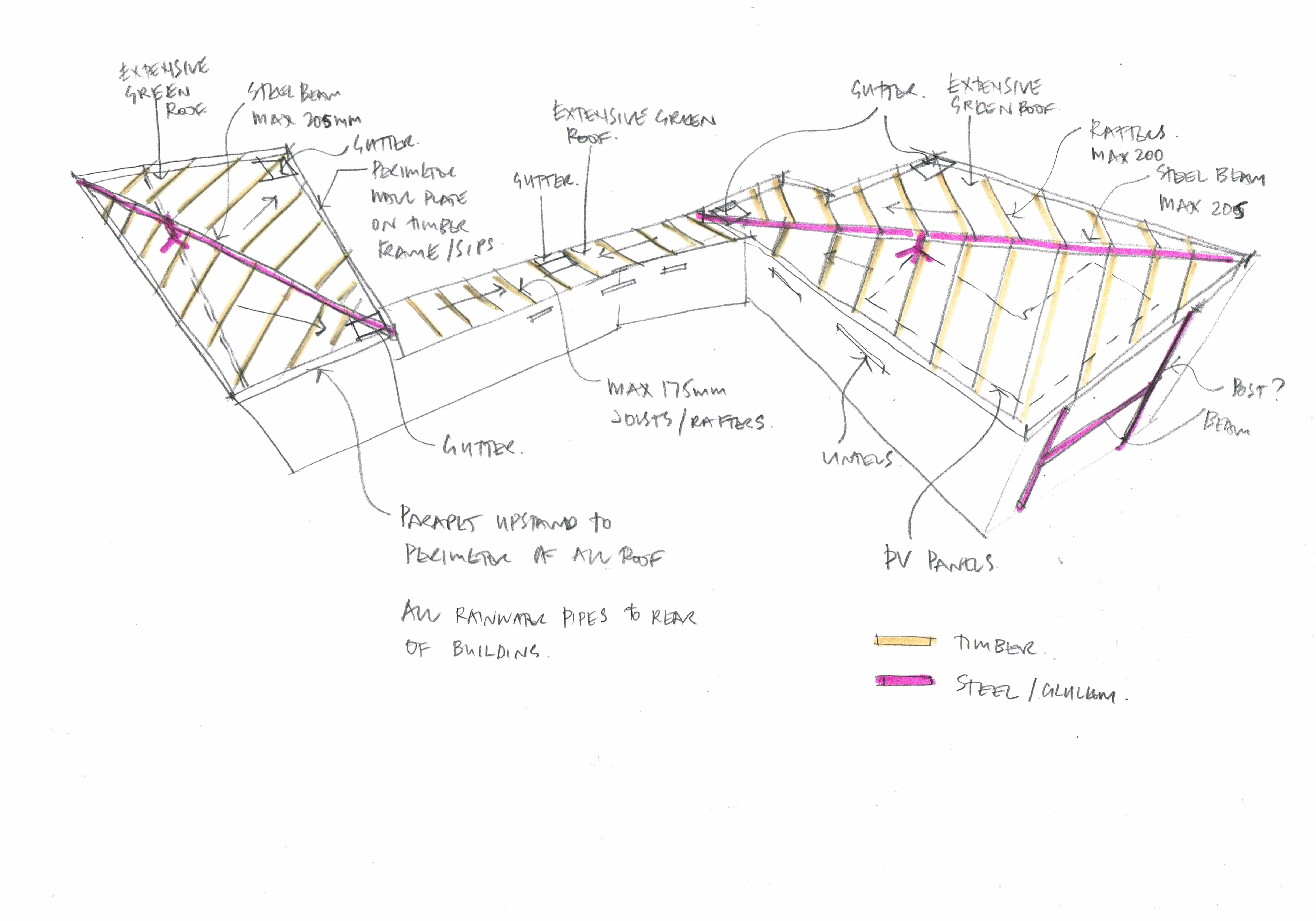
A suite of sustainable surface-water management measures is integrated across the development, including a living roof, permeable driveway and footpaths, a rain garden and additional landscape features. Together, these reduce the volume and speed of surface-water runoff, lowering flood risk to surrounding land.

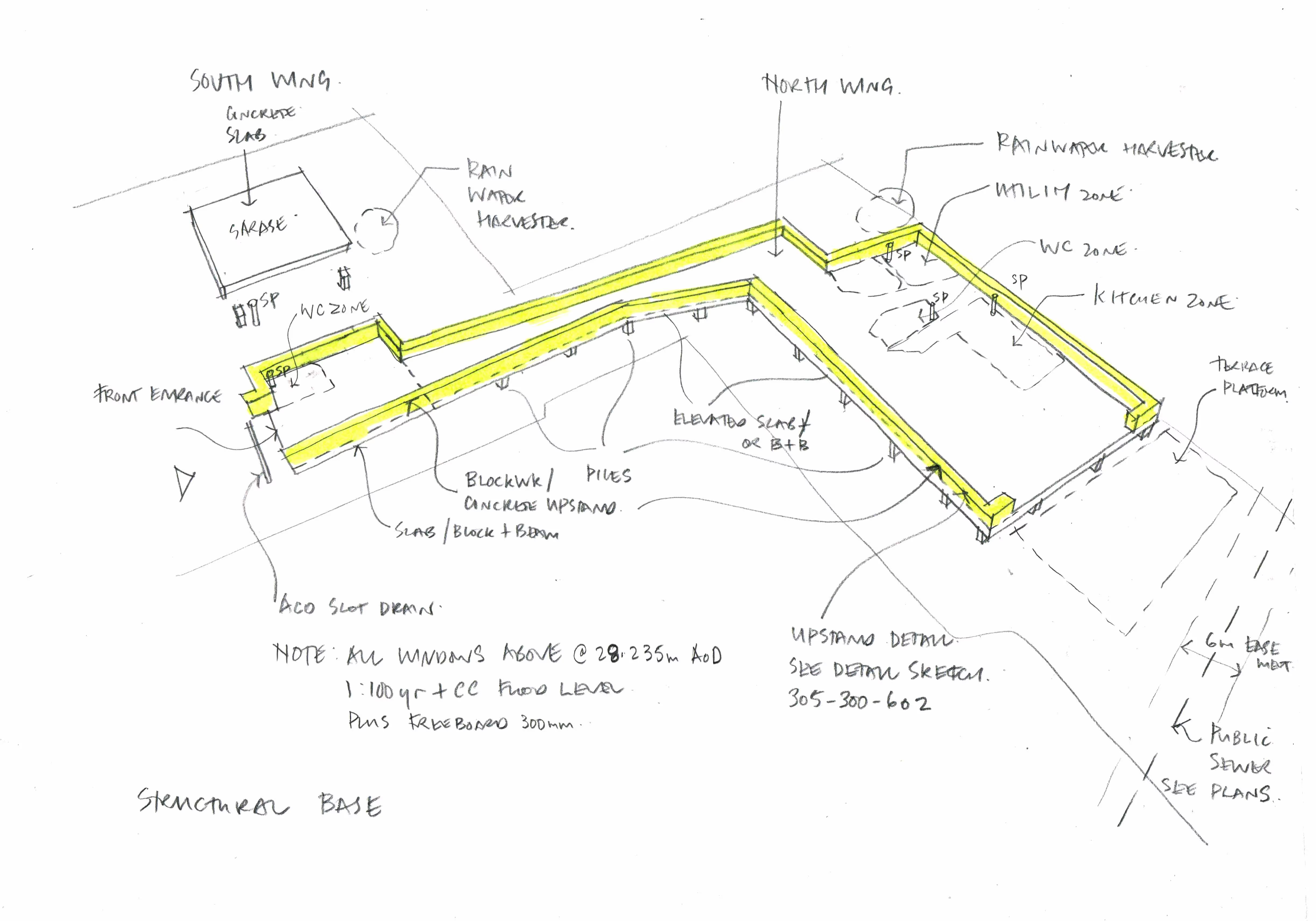
The house is constructed on elevated mini-piles. This protects the dwelling from flood events while minimising impacts on flood flow routes and storage capacity. Because the home’s footprint is smaller than the existing building, thanks to its elevation, additional flood storage is created on site. Flood-storage attenuation tanks are discreetly located beneath the permeable driveway.

This bespoke home combines low-energy design with intelligent water-resilient strategies, offering a model for environmentally aware, future-proof living in the 21st century.

As seen in the Architects Journal:

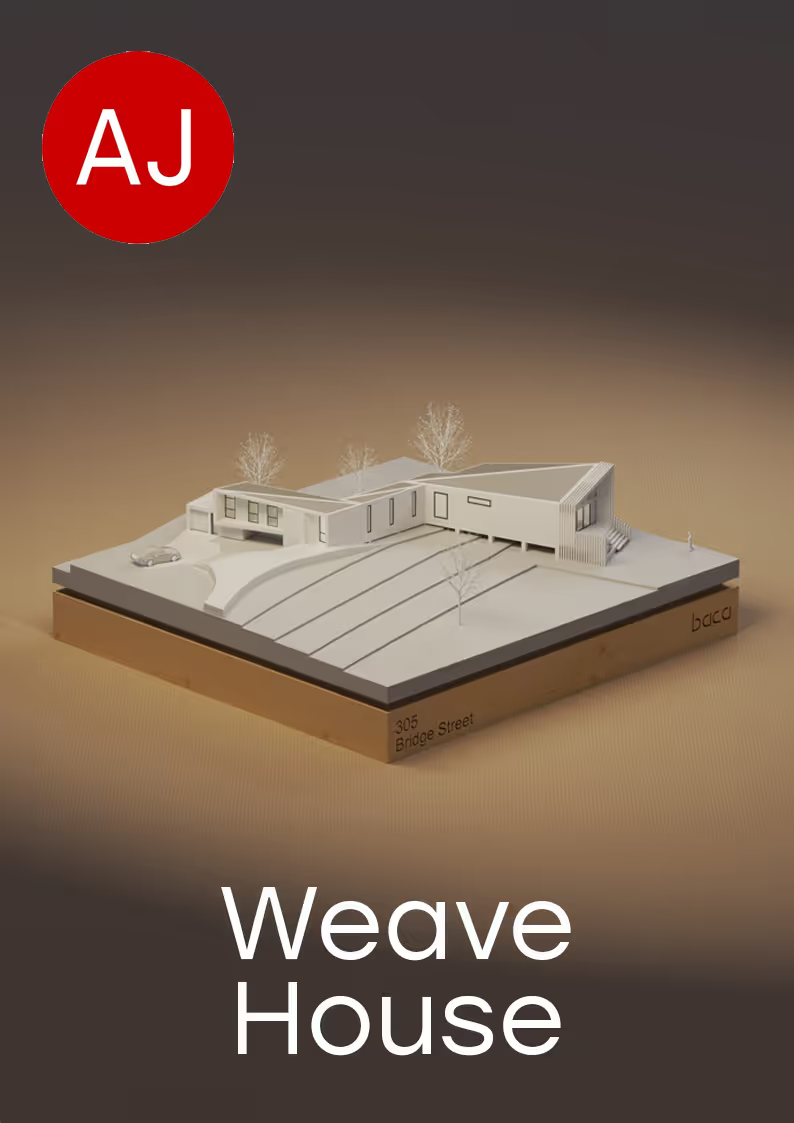
Architectural model of a modern Weave House with angular rooflines on a display base labeled '305 Bridge Street'.