Square Floating City

Location:

Client:

Scale:

Cost:

Design Team:

Story

Square Floating City is built as a 5-minute city, where all daily needs are within easy reach. Our pedestrian-friendly design features green courtyards, rooftop gardens, and sustainable infrastructure, including clean water systems, advanced wastewater treatment, and renewable energy solutions. With tailor-made architecture, low-rise buildings, and abundant greenery, our floating cities seamlessly blend urban quality with nature. Square Floating City is not just a vision but a fully engineered, sustainable, and affordable solution to the challenges of modern coastal urbanisation.

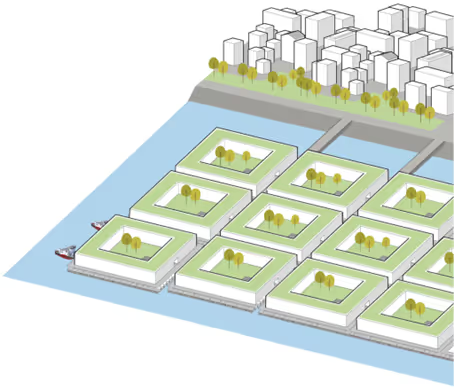
Isometric view of a waterfront urban plan featuring multiple square-shaped floating building blocks with green rooftops and scattered trees, connected by roads to a dense cityscape in the background.
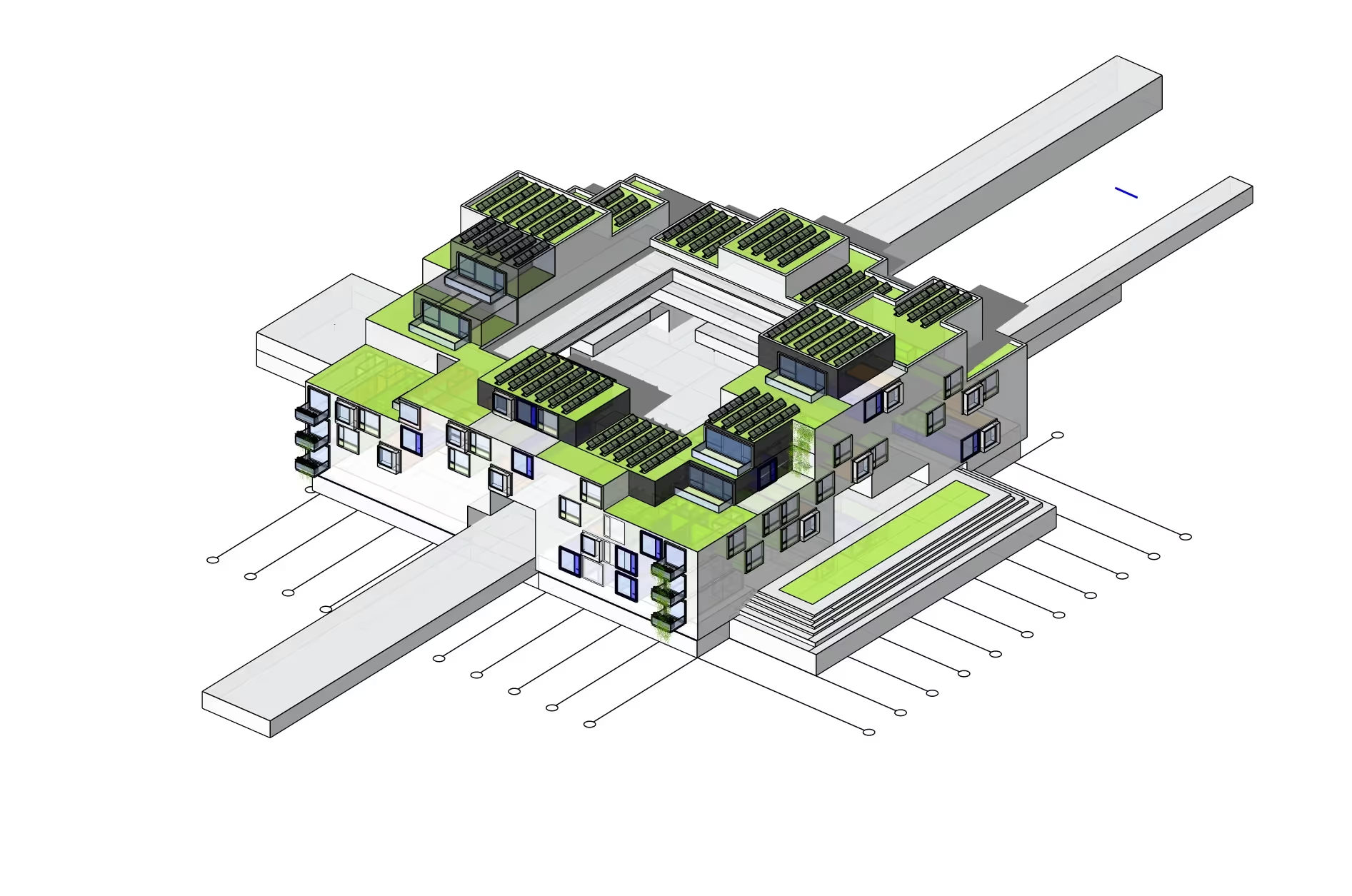
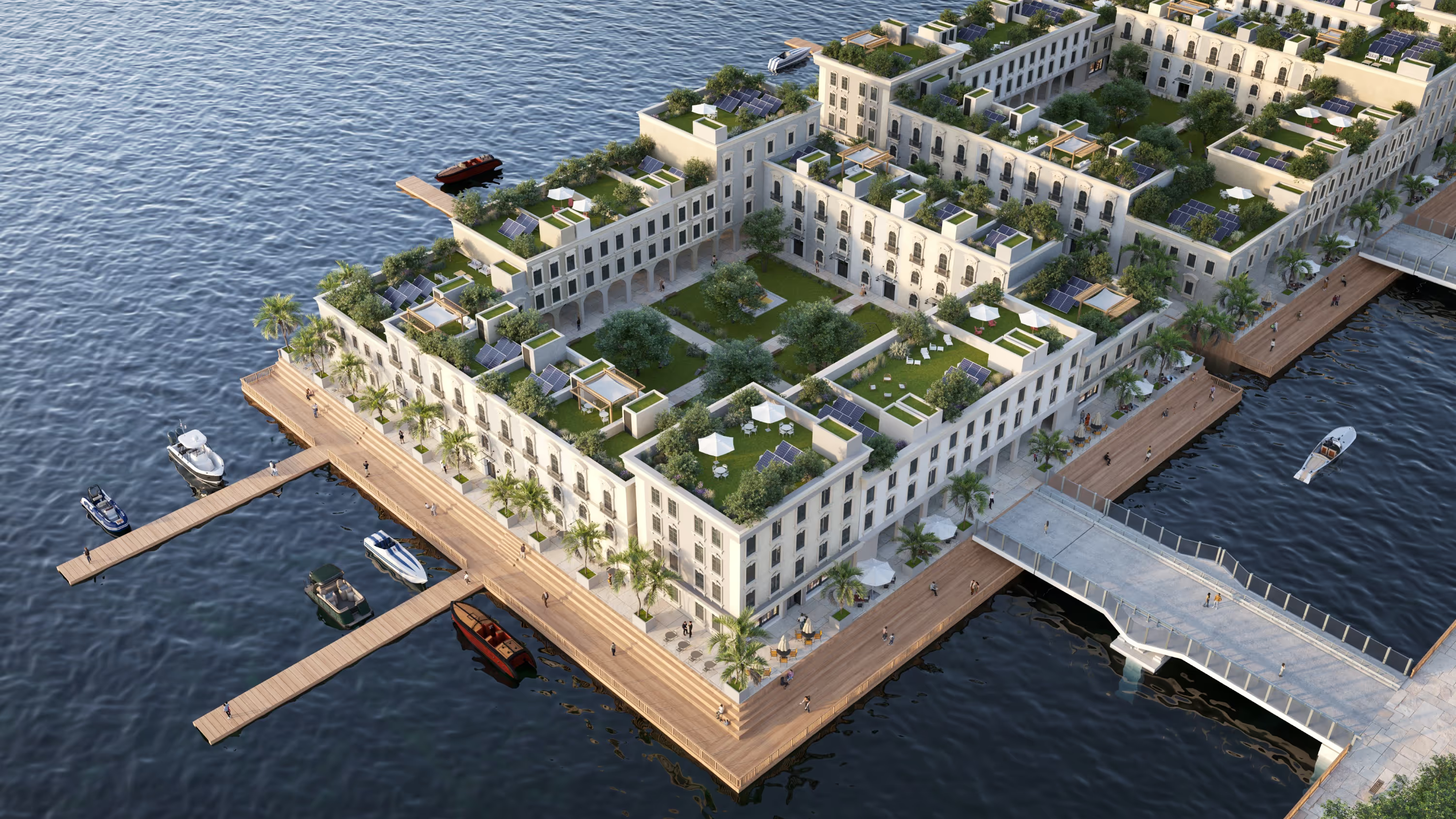
Isometric architectural rendering of a modern building with green rooftop gardens and solar panels.
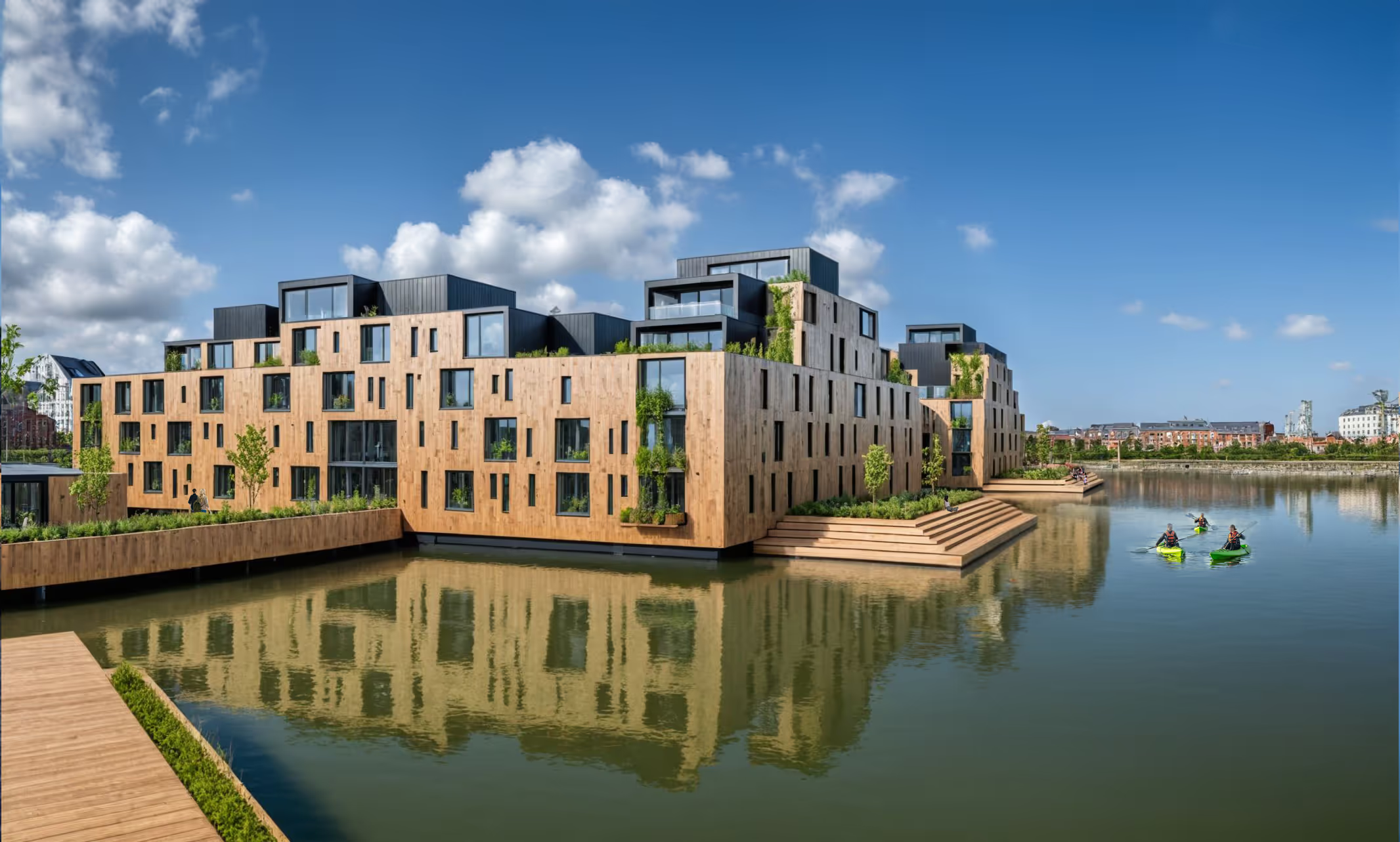
Modern wooden floating houses with green rooftop gardens connected by wooden walkways on calm water.
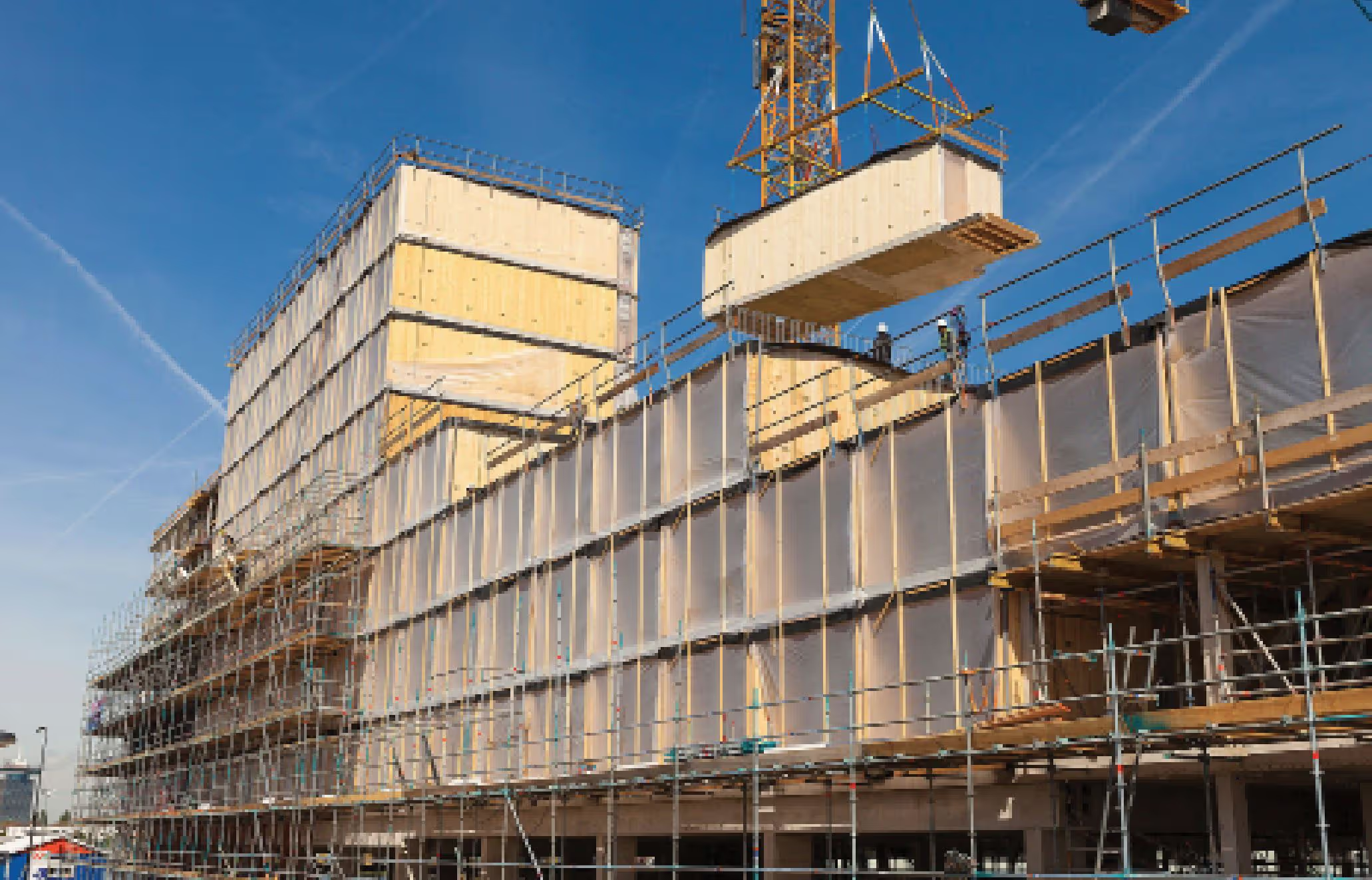
Construction site with crane lifting large wooden panels to the upper floors of a building under construction with scaffolding around.

Process

By utilising water as a development platform, dubbed the ‘floating square city’ proposition. Public buildings, and community spaces can be prefabricated off-site and installed with minimal disturbance. This enables rapid, flexible, and scalable urban expansion, while significantly reducing environmental impact.

Architecture

Floating infrastructure frees flood-prone or underutilised land, making room for nature-based solutions. These spaces can be transformed into green corridors, wetlands, and urban cooling zones, restoring ecological function and enhancing the quality of life for city dwellers.

This integrated approach creates resilient and symbiotic urban systems, where floating neighbourhoods and land-based infrastructure work in tandem to enhance the social, environmental, and economic value of cities, introducing a new form of urban planning: responsive, regenerative, and future-fit.

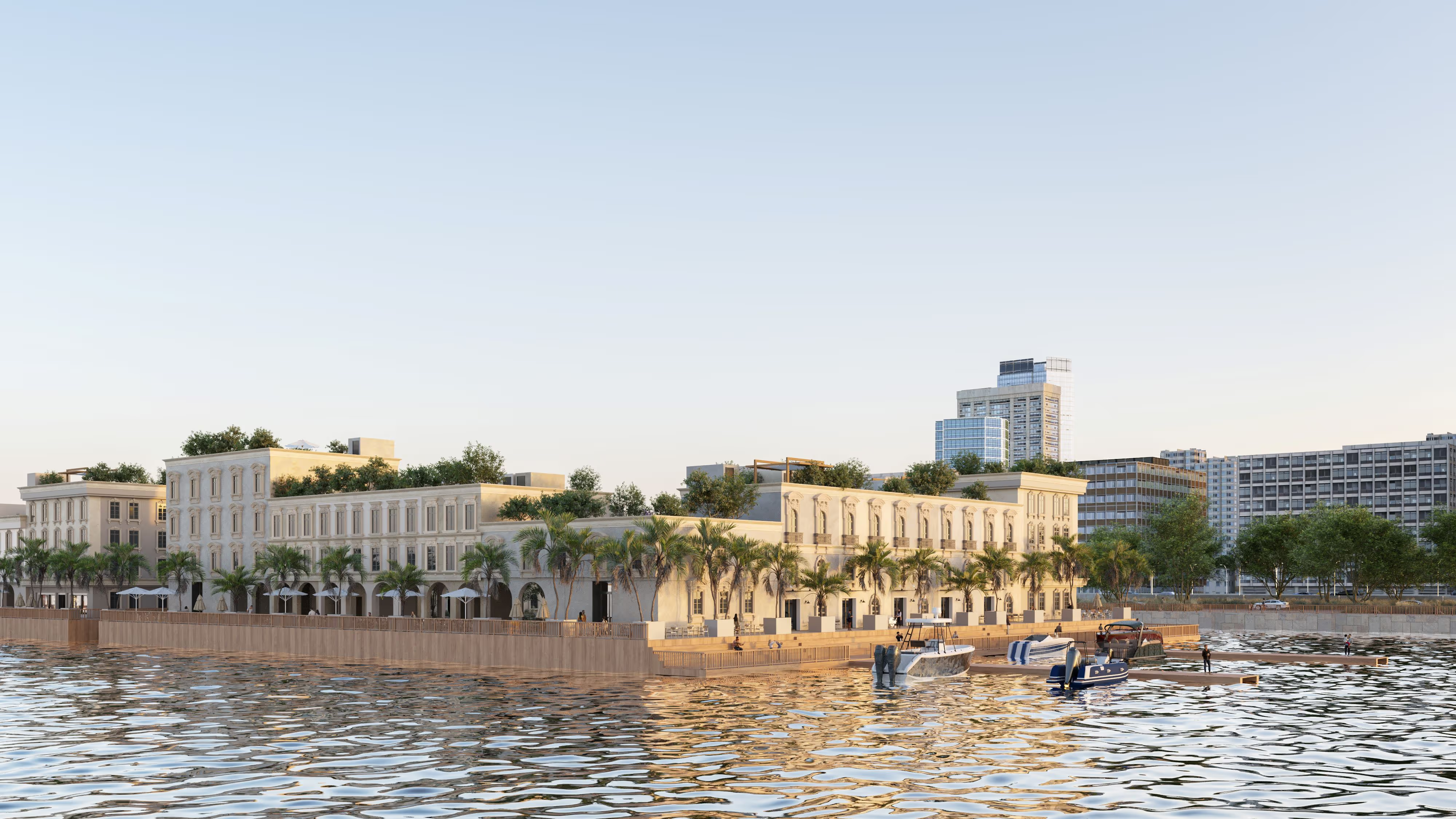
Waterfront view of a classical style building with palm trees and boats docked at a wooden pier in a city setting.
Aerial view of a waterfront modular city block with rooftop gardens, solar panels, boats, and pedestrians on wooden docks.