Green Isle

Location: Henley Upon Thames, UK
Status: Full planning permission
Scale:
5-bedroom house, 380sqm
Constraints: Flood zones 2 & 3, green belt

World map with a red location marker on the Isle of Man near the United Kingdom.

Background

After living through two major flood events and more than a decade of ongoing flood risk, the client and his family approached us to design a resilient new home on a private island in Henley upon Thames. The existing house had been repeatedly inundated, most severely during the 2014 Thames floods when the island was completely submerged. Floodwater entered the property to a depth of half a metre, destroying ground floor interiors and requiring a year of drying, repairs and reinstatement.

The island measures approximately 1100 square metres and lies just downstream of a weir. Although the setting is beautiful, the location exposes the property to strong currents and rapid changes in water level. Reaching the front door during a flood required chest waders and the current was often strong enough to push a person off their feet. The client sought a long term architectural solution that would eliminate the vulnerability of the existing home while allowing the family to remain on the island.

Process

We were commissioned to explore design strategies that would allow a replacement house to withstand extreme flooding without relying on temporary flood barriers. The brief called for a home that is safe, efficient to operate and capable of accommodating a large family.The design process focused on elevating the primary living spaces while allowing the ground floor to function as a water resilient zone. A whole house reconfiguration was required to ensure safe access during a flood, reliable internal protection and improved performance of the building envelope. The final planning scheme remains similar in size to the existing dwelling while delivering far greater resilience and reduced environmental impact.

The Environment Agency supported the approach, which lifts the main living accommodation above the predicted one in one hundred year flood level with an additional allowance for climate change. The design improves flood mitigation by making space for water, enhancing the building envelope and reducing the carbon emissions associated with future flood repairs.

Architecture

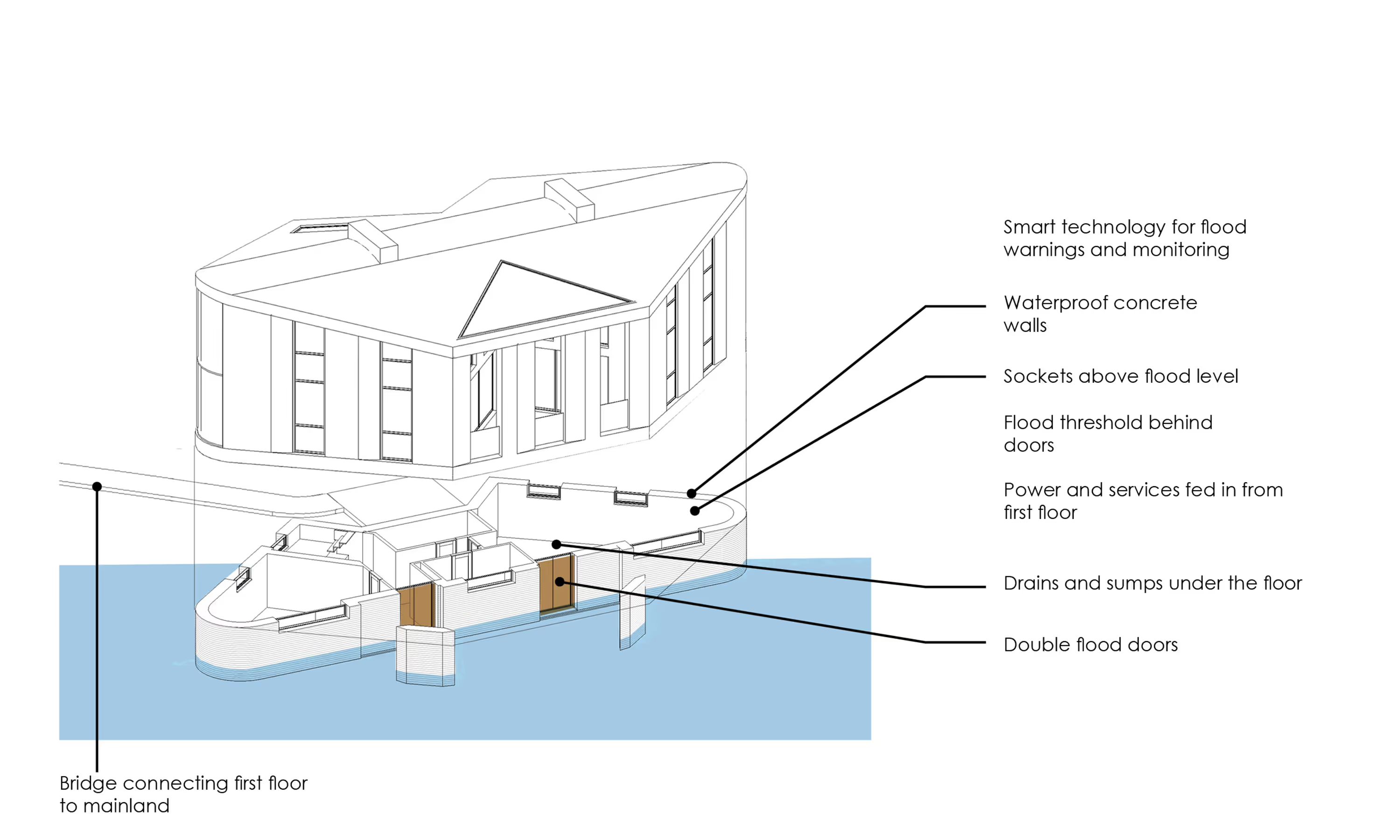
The 380 square metre replacement dwelling is arranged as a lozenge shaped form with the main living spaces located at first floor level. This elevated floor is accessed directly from the mainland by a timber footbridge, allowing the family to reach the home safely during periods of high water.

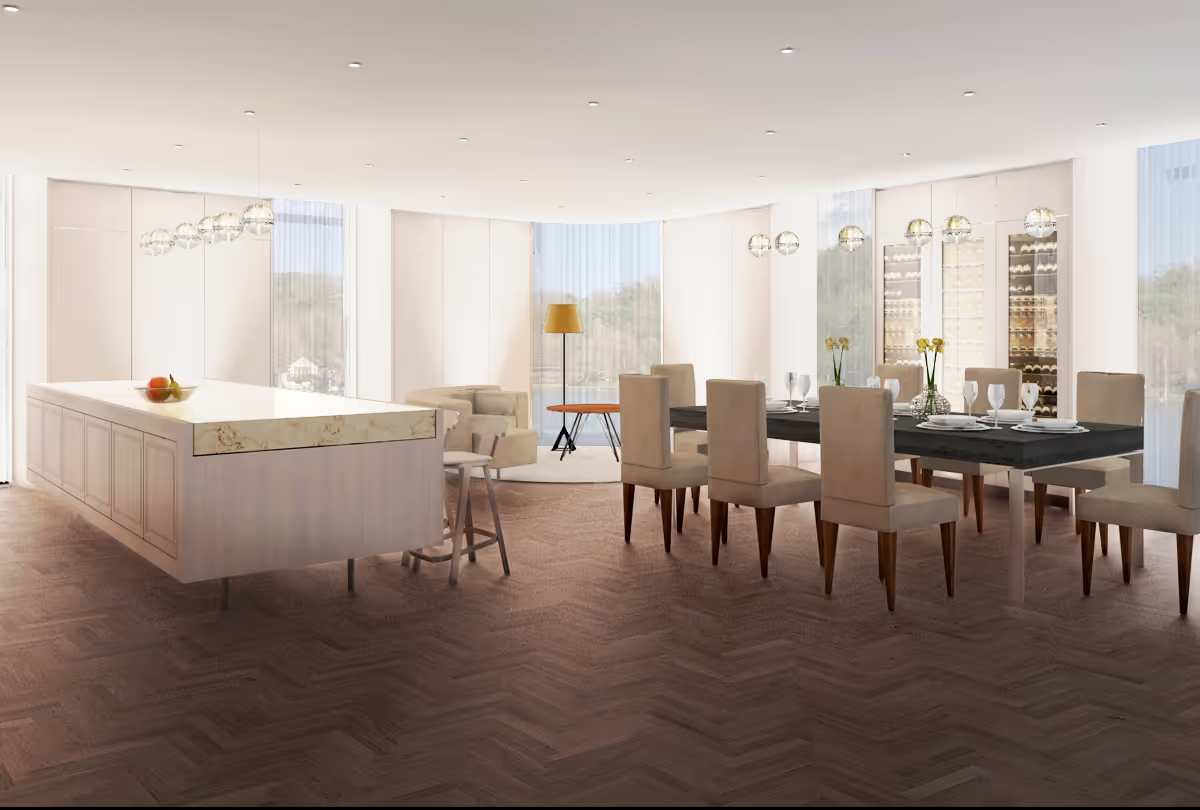
The first floor accommodates generous open plan living spaces arranged around a south facing winter garden with views over the main flow of the Thames. Six bedrooms and family spaces are located across the building, with the ground floor housing secondary accommodation including a playroom, utility areas and relaxation spaces.

The ground floor is designed to withstand controlled inundation. Flood proof glass doors and windows are positioned on the side of the building where they are partially shielded from the river’s main current. When sealed, these elements create a robust, water resistant enclosure capable of holding out water for extended periods.

Across the building, high performance construction and material choices deliver a low energy, spatially efficient home that responds directly to its unique setting. The result is a resilient and elegant riverside dwelling that provides long term protection for its residents and significantly improves the sustainability of the site.