Creekside

Location: Southend, Essex
Status: Pre-planning
Scale:
Masterplan
Constraints: Flood zones 1, 2 and 3

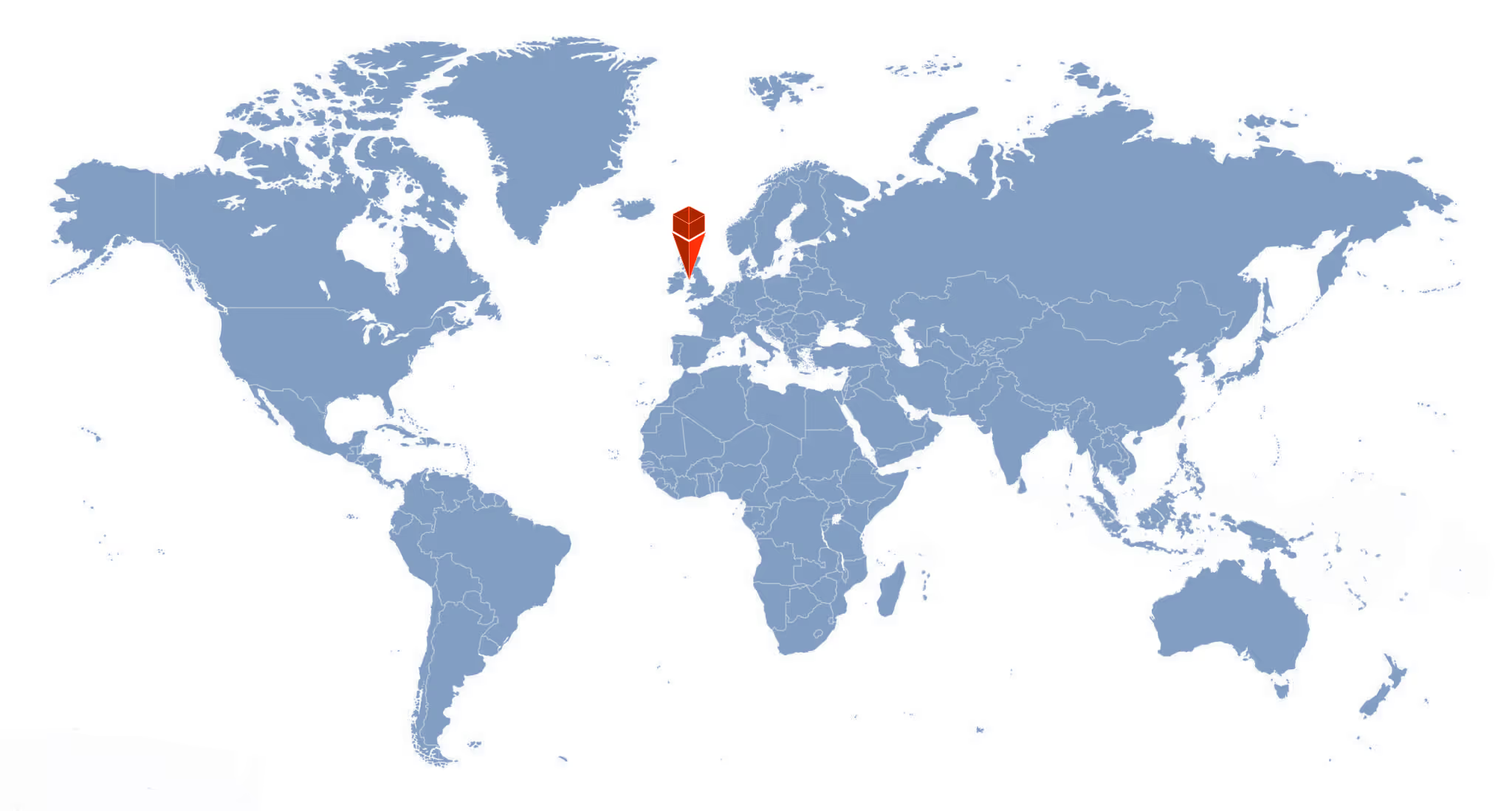
World map with a red location marker on the Isle of Man near the United Kingdom.

Background

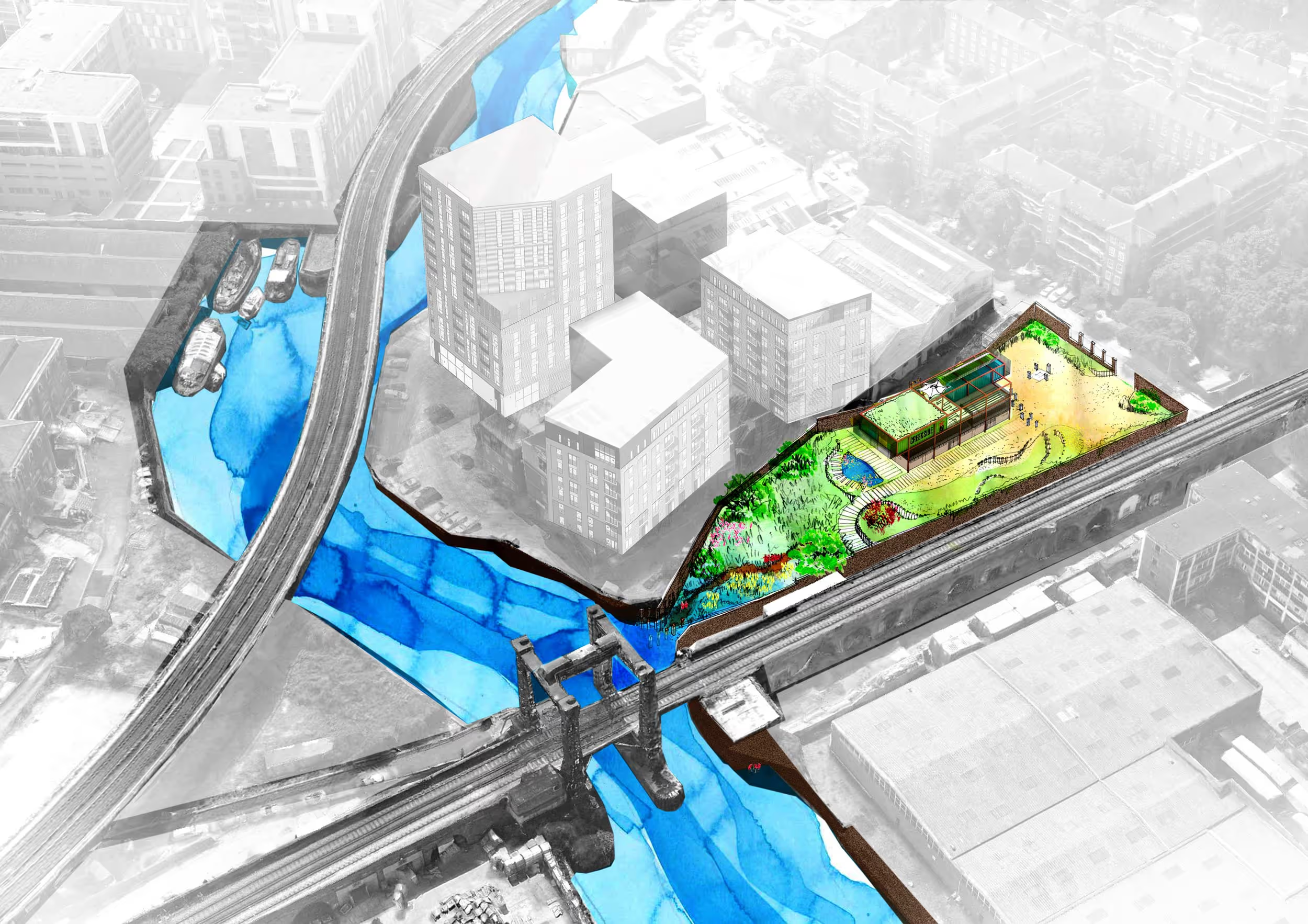
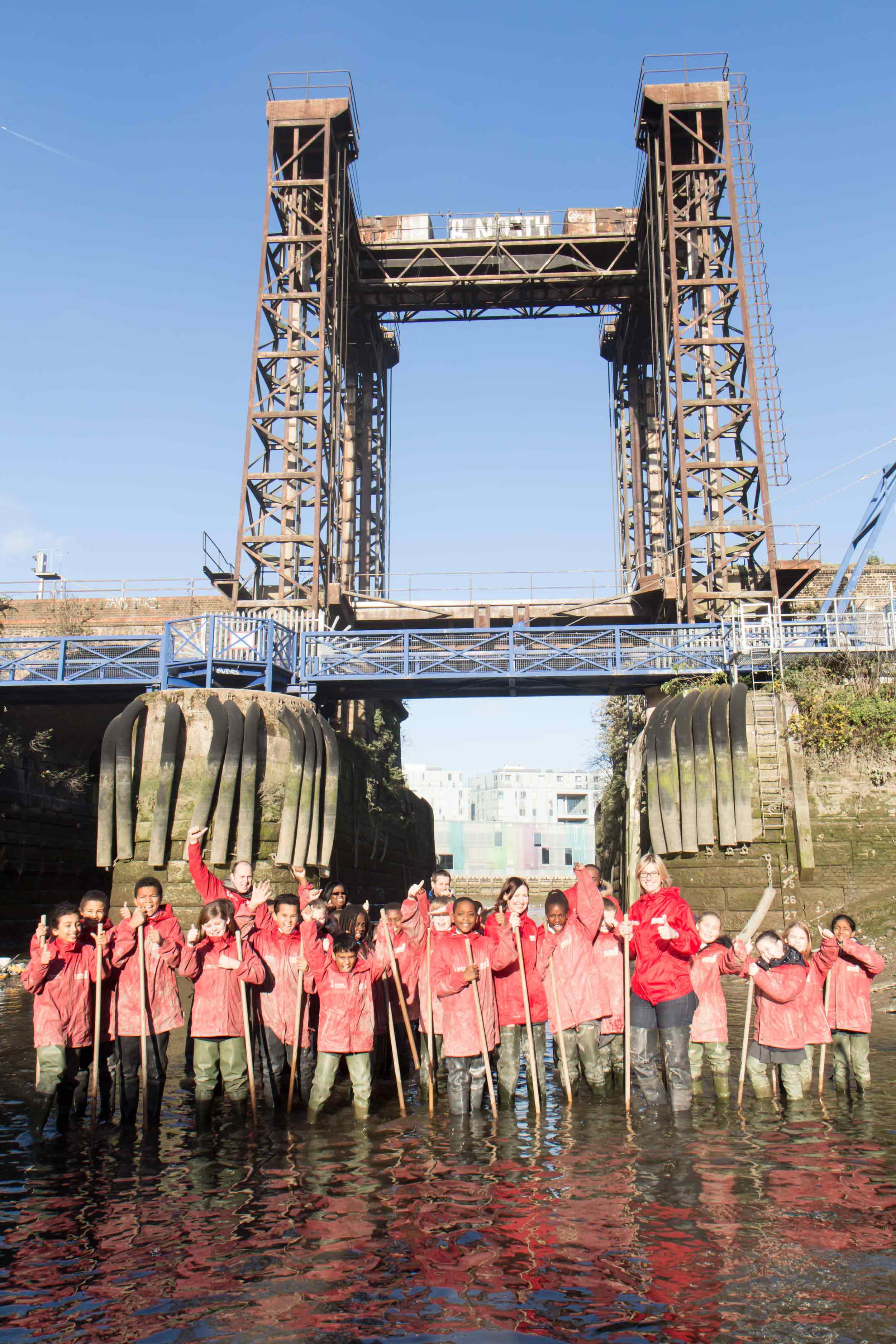
The Creekside Discovery Centre is located beside the tidal waters of Deptford Creek. As Deptford undergoes rapid transformation and gentrification, this project aims to preserve the area’s industrial legacy while renewing its natural and social value.

The centre, run by Creekside Education Trust, has long been a gateway to urban wildlife, but its existing building had become too small for growing demand and its green roof had aged. In flood-zones 2 and 3, expansion was constrained by environment regulations.

By reusing and reimagining the existing structure rather than replacing it, we can extend capacity and educational reach while safeguarding ecology, celebrating heritage and delivering a building that belongs to the creek as much as to the community.

Process

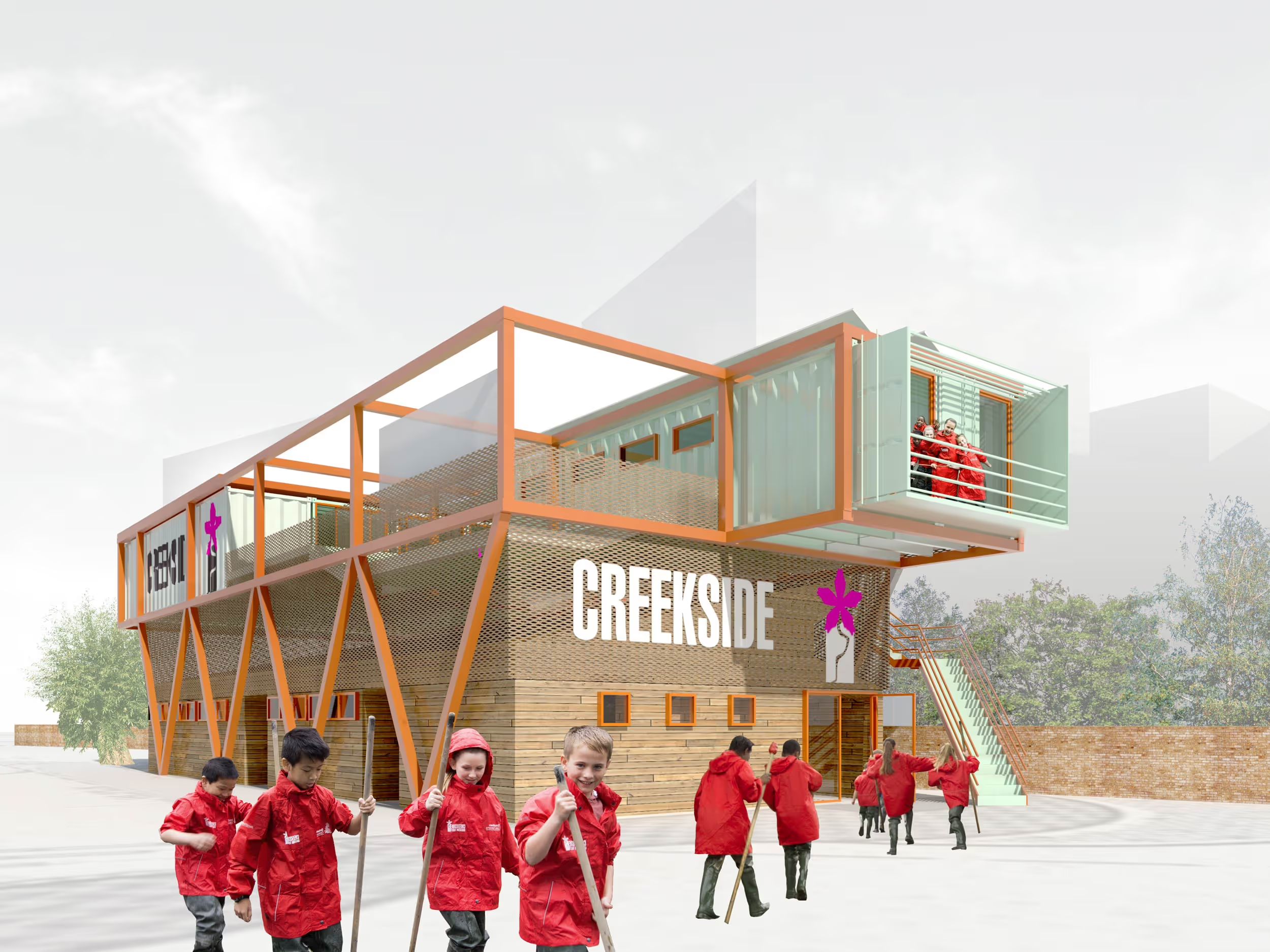
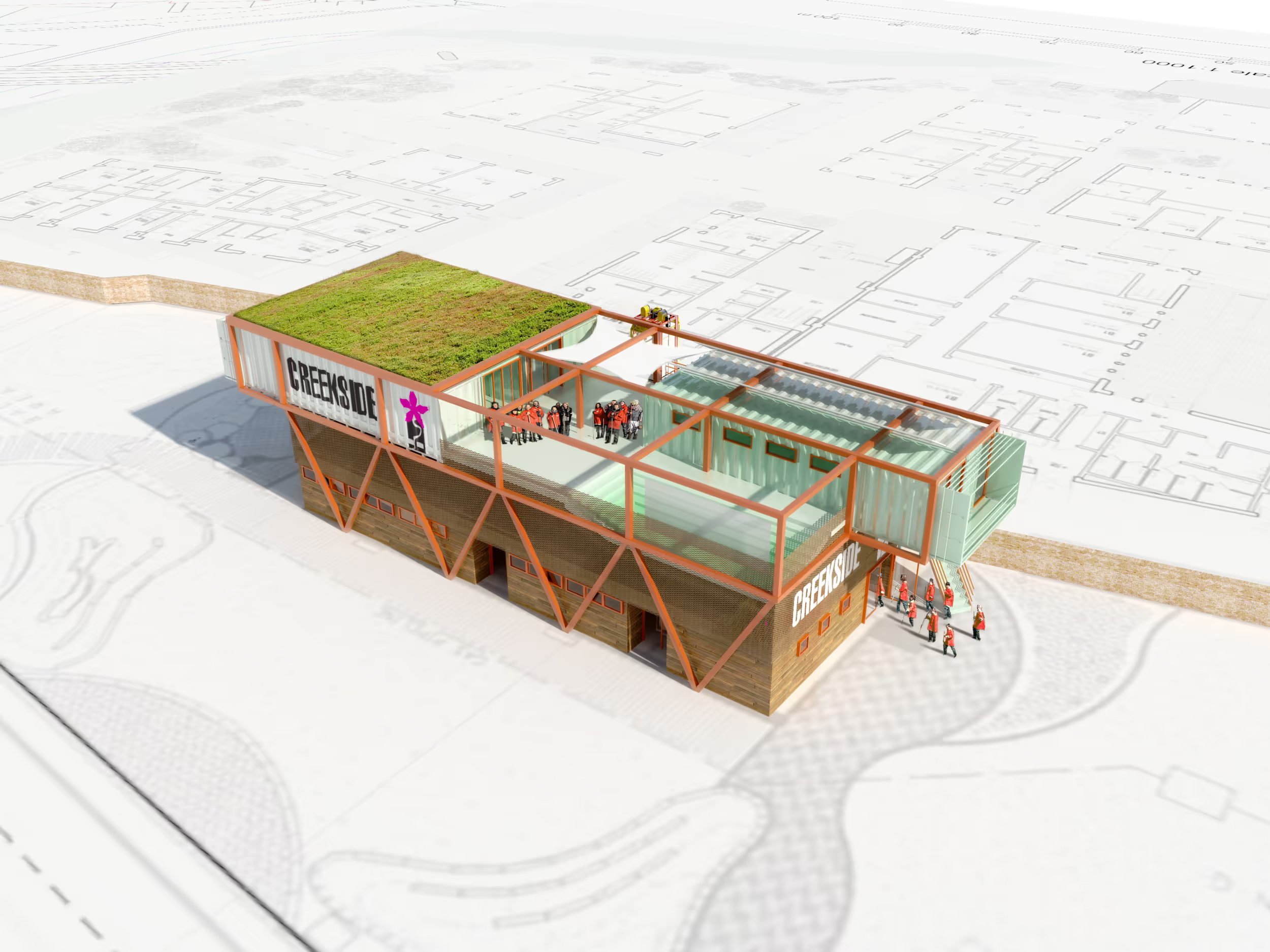
Recognising the constraints of flood-zone planning and ecological sensitivity, we opted for an approach that repurposes a building. Instead of enlarging the footprint, which the local authority and Environment Agency (EA) restrictions prohibited, we retained the existing building and introduced a bold portal-frame structure above it.

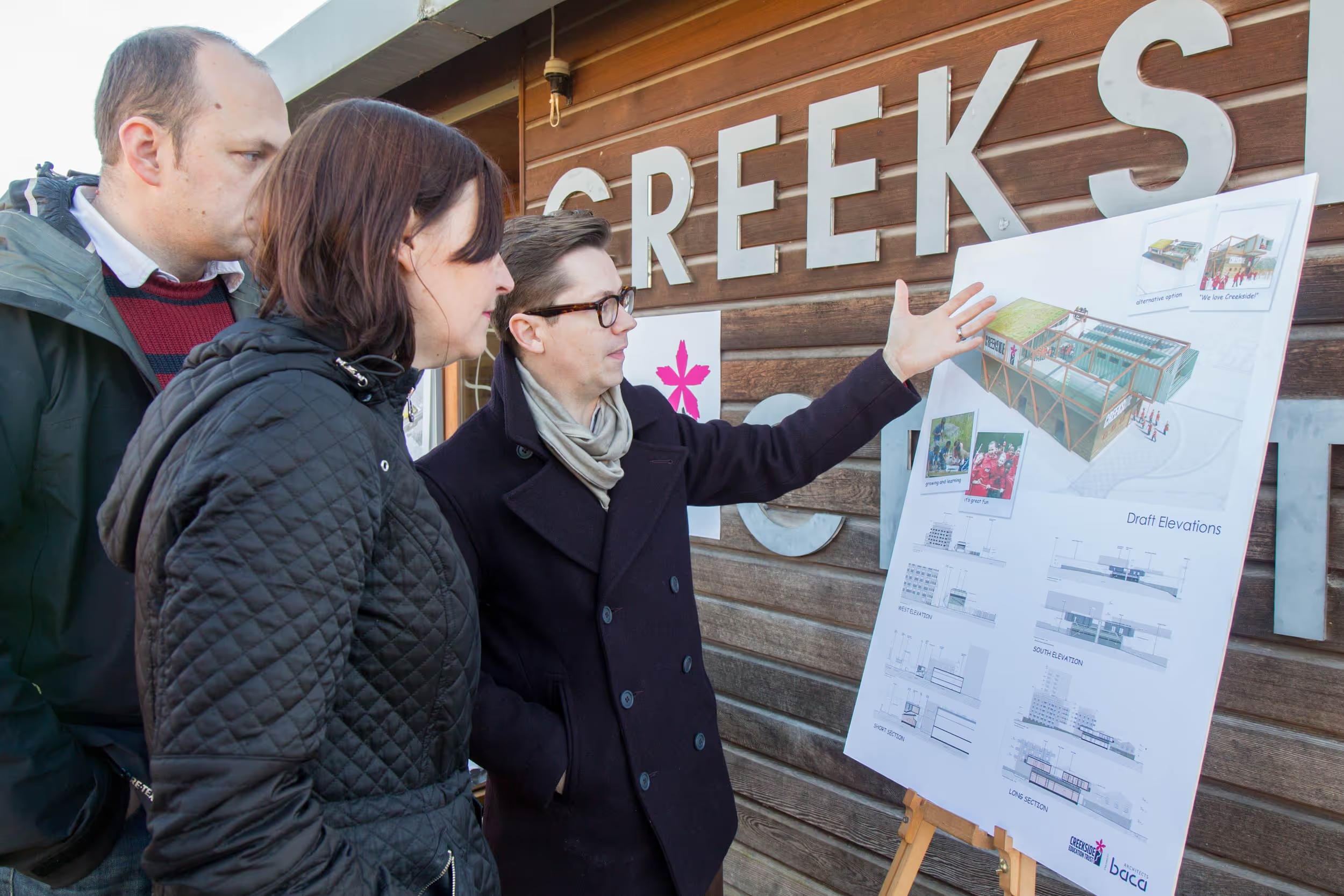
This frame arches over the old roof, allowing new classrooms and facilities to be added without expanding ground-level coverage. Throughout, community consultation with the Creekside Education Trust and local stakeholders shaped the proposal. We transported teaching spaces upwards, giving students a unique vantage point over the creek’s rich habitats.

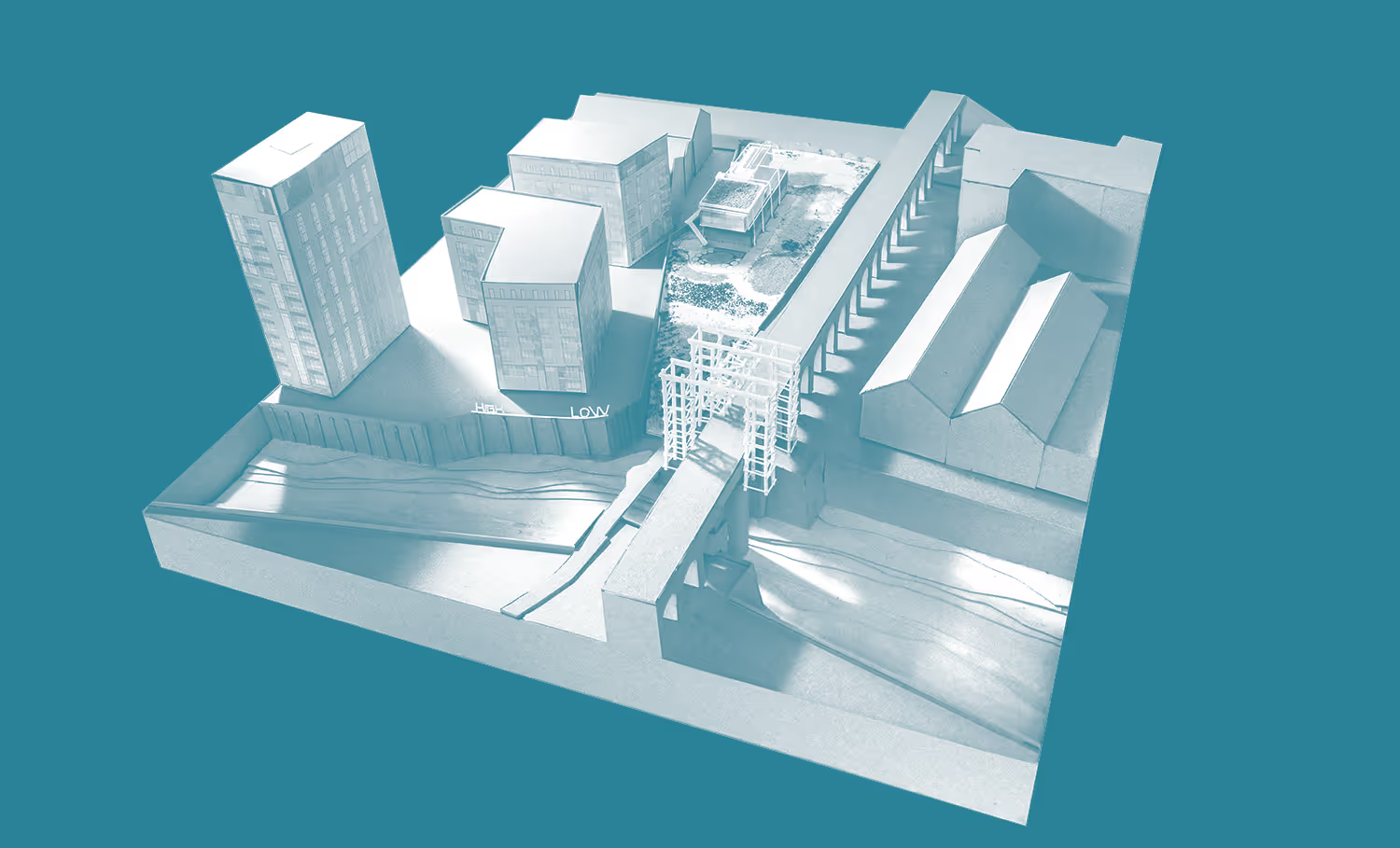
The design remains pragmatic and sustainable: there is limited ground-level intervention, the existing ecology is protected, and the new structure references the site’s former industrial character, echoing the old gas-holder and the nearby historic lifting-bridge.This method delivers double the capacity, modern amenities, and a renewed visitor experience, all while preserving the site’s ecological and heritage assets.

Architecture

Architecturally, the new design weaves together flood adaptive principles with a respect for vernacular industrial heritage. The exposed steel portal frame and raw material choices evoke the area’s industrial past and the adjacent creekside infrastructure. This industrial aesthetic is not skin-deep: by lifting new volumes over the existing structure rather than building out, we maintain the ecological landscape below and allow natural flow and habitat continuity.

The elevated classrooms and viewing areas offer unique perspectives across tidal creek, marshes, and wildflower banks, helping visitors, students, and community members to reconnect with urban nature. The expansion substantially boosts the site’s educational capacity, supporting the mission of Creekside Education Trust: conservation, learning and community engagement.

Furthermore, adaptive reuse reduces embodied carbon compared to demolition and new build. By breathing new life into existing fabric, we avoid waste, preserve heritage, and reduce environmental impact. This approach demonstrates how sensitive design can turn constraints, like flood zoning and ecological sensitivity, into opportunities for ingenuity, community benefit, and lasting architectural merit.